Epigenetics and Donor Eggs: Building a Connection Through Pregnancy
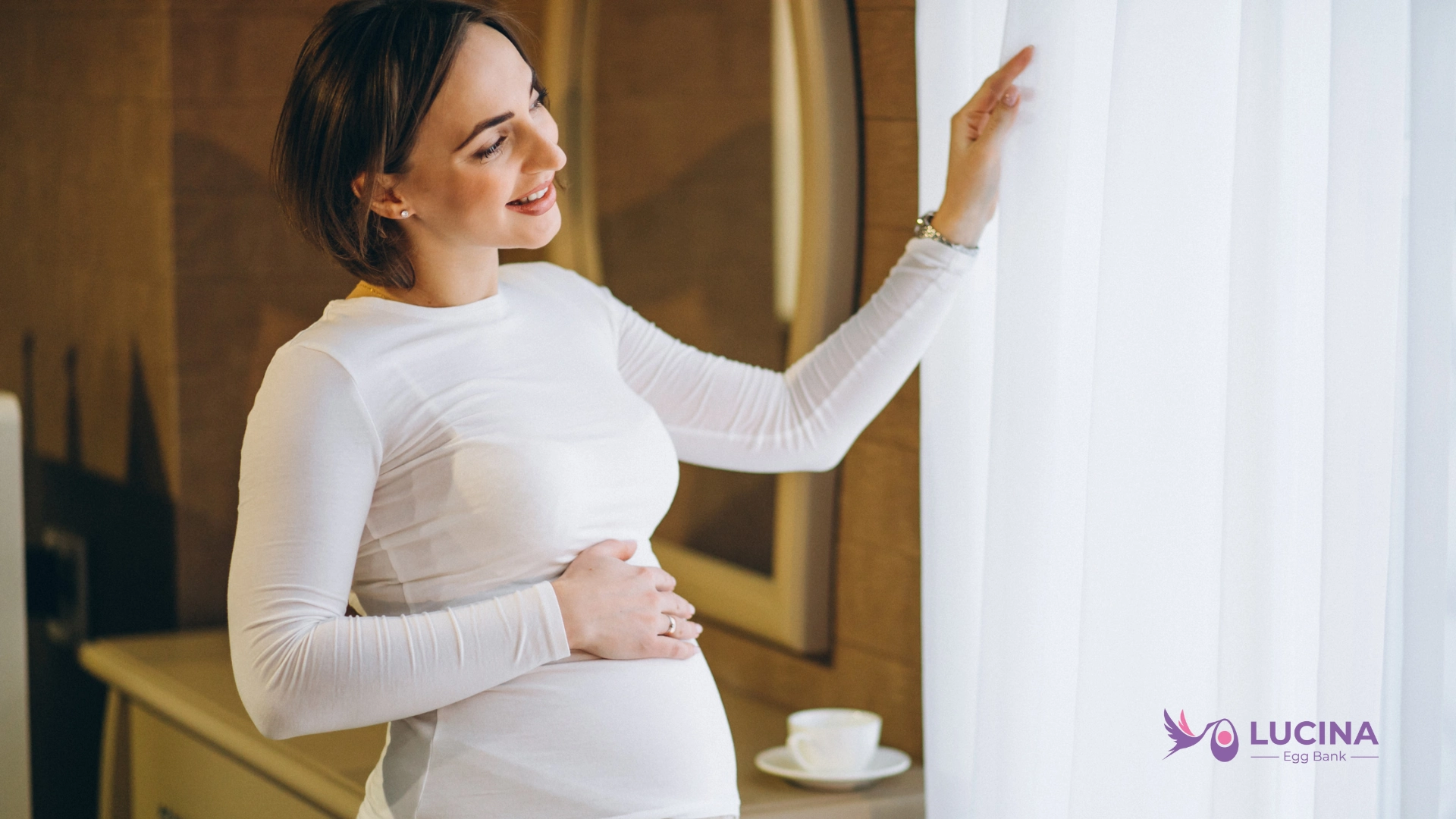
You picked the donor. You cleared the cycle. And somewhere between the embryo transfer and the first ultrasound, the same quiet question keeps surfacing: will this baby feel like mine? The worry about a missing genetic link is one of the most common things we hear from intended parents, and it deserves a real answer instead of reassurance.
Here is where the epigenetics donor egg conversation matters. Your DNA may not be in the egg, but your body is doing far more during pregnancy than carrying a passenger. It is actively shaping how your baby’s genes switch on and off, a process that starts at implantation and runs through birth.
At Lucina Egg Bank, we work with intended parents through this exact question every week. This article walks through what the science actually says, what you can influence, and where the genetic line gets blurrier than most people assume.

What Epigenetics Means When You Use a Donor Egg
Epigenetics is the study of how the environment turns genes up or down without changing the DNA sequence itself. With a donor egg, the baby’s genetic code comes from the donor, but your body decides which of those genes get activated during pregnancy through chemical signals from your womb.
The DNA sequence is fixed at conception. What is not fixed is gene expression, meaning which genes are switched on, switched off, or dialed partway. Epigenetic marks act like a dimmer switch sitting on top of the genetic code, and the signals come largely from the environment a cell sits in.
For nine months, that environment is your body. Researchers have identified microRNAs and other molecules released by the uterine lining that reach the embryo and adjust how its genes behave. The donor supplies the blueprint. Your physiology reads it, edits the margins, and presses go.
This is why the genetic-versus-not framing feels too clean. A baby grown from a donor egg carries the donor’s DNA and the imprint of your pregnancy at the same time.
How Your Pregnancy Shapes Your Baby Through Epigenetics
The prenatal window is the single most influential period for gene expression in a person’s life. Scientists once treated the uterus as little more than an incubator. Newer research has flipped that view: the maternal environment shapes brain development, metabolism, and immune function in ways that can last a lifetime.
Prenatal Care Comes First
Consistent prenatal care is the foundation of a healthy uterine environment. Regular checkups let your clinic catch issues early and keep your baby’s development on track. This matters as much in a donor egg pregnancy as in any other.
A balanced diet, prenatal vitamins, and movement your doctor signs off on all feed into the same goal. They build the conditions in which the donor’s genes can express well. Strong physical care is not just about your health; it sets the chemical backdrop your baby develops against.
Stress Has a Measurable Effect
Stress is one of the most studied environmental influences on fetal gene expression. Sustained high stress shifts the hormonal balance your baby develops in, and research links it to changes in how certain genes are expressed. The takeaway is not panic; it is that managing stress is real prenatal care, not a luxury.
Deep breathing, gentle movement, therapy, and a support network all help. Ask for help when you need it. According to guidance from ACOG, addressing anxiety in pregnancy supports both you and your baby, so treat your mental health as part of the plan.
Building a Healthy Environment for Your Baby
You cannot control the donor’s DNA, but you can control much of the environment that shapes how it expresses. These are the levers with the most evidence behind them.
- Stay on top of prenatal care. Keep every scheduled checkup and follow your clinic’s guidance on vitamins and supplements.
- Eat for two systems, not two portions. Nutrient-dense foods and steady hydration support fetal development; skip the ultra-processed filler.
- Move within reason. Walking and prenatal yoga improve circulation and lower stress. Clear any new activity with your provider.
- Protect your mental health. Meditation, journaling, and real support reduce the stress load your baby develops in.
- Sleep like it counts. Aim for 7 to 9 hours; pregnancy pillows make the later months easier.
- Cut out known harms. Avoid alcohol, smoking, and any medication your doctor has not cleared.
Start these habits before the transfer, not after the positive test. The preconception window influences gene expression too, so a few months of groundwork pays off.
Why the Donor Egg Quality Still Matters
A nurturing environment can only express the genetic material it is given. The egg you start with sets the foundation, which is why donor screening is not a formality to rush past. Quality at the source raises the ceiling on everything epigenetics can do afterward.
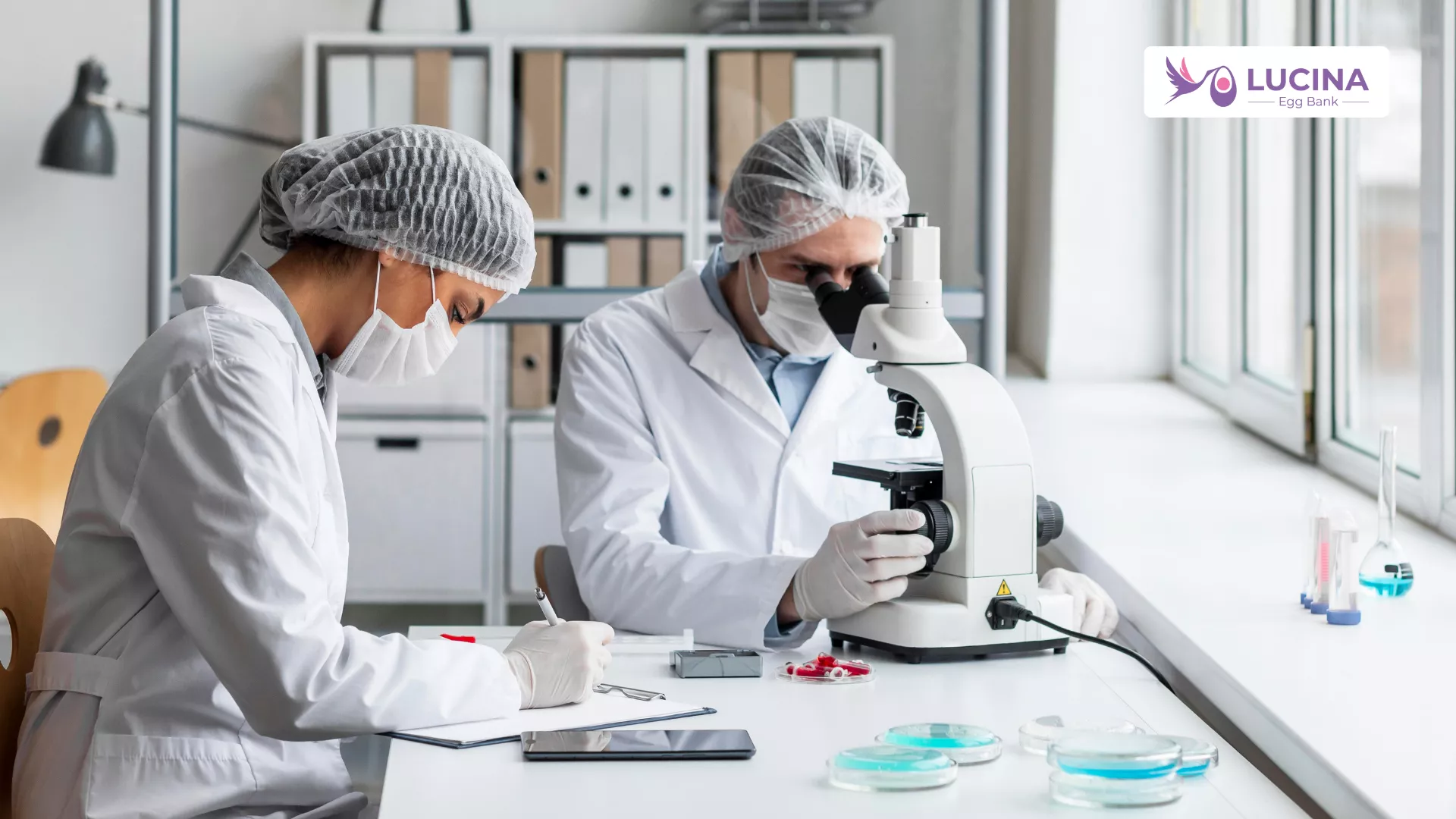
Strong egg banks run layered screening: medical history, genetic testing, psychological evaluation, and family health review. We screen all donors in compliance with FDA requirements and ASRM standards, and our pool holds 3,500+ profiles. You can read how our egg donor screening works before you commit to anyone.
A practical way to vet any program is to confirm it follows the ASRM donation guidelines. Those standards cover screening, ethics, and safety for donors and recipients alike. The benefits of frozen donor eggs also include quarantine and re-testing windows that fresh cycles cannot offer.
Cost protection is part of the picture too. Our Triple Guarantee programs offer financial protection through replacement cohorts or refunds under specific conditions, which takes some risk out of an already heavy decision.
Epigenetics, Traits, and the Resemblance Question

No pregnancy guarantees that a child will resemble any specific parent, donor egg or not. Eye color and facial structure come from a mix of genetics and environment, and even biological children surprise their parents. So the honest answer to “will my baby look like me” is the same for everyone: maybe, in some ways.
Resemblance also runs deeper than features. Gestures, expressions, the way a child laughs or worries, these develop through years of closeness, not chromosomes. Plenty of donor-conceived kids pick up the carrying parent’s mannerisms precisely because they grew up steeped in them. If the deeper question of biological connection is weighing on you, it is worth reading through on its own.
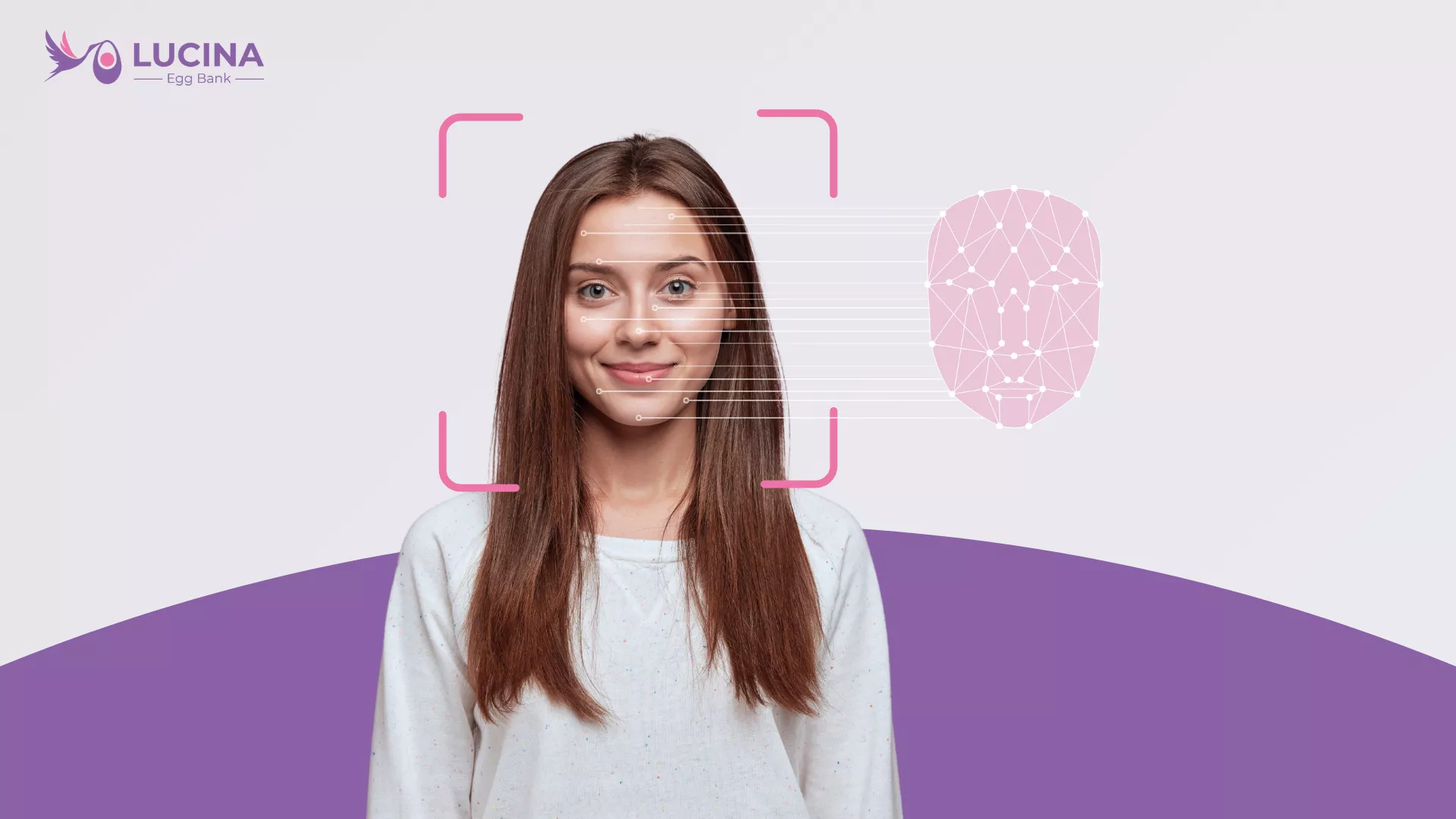
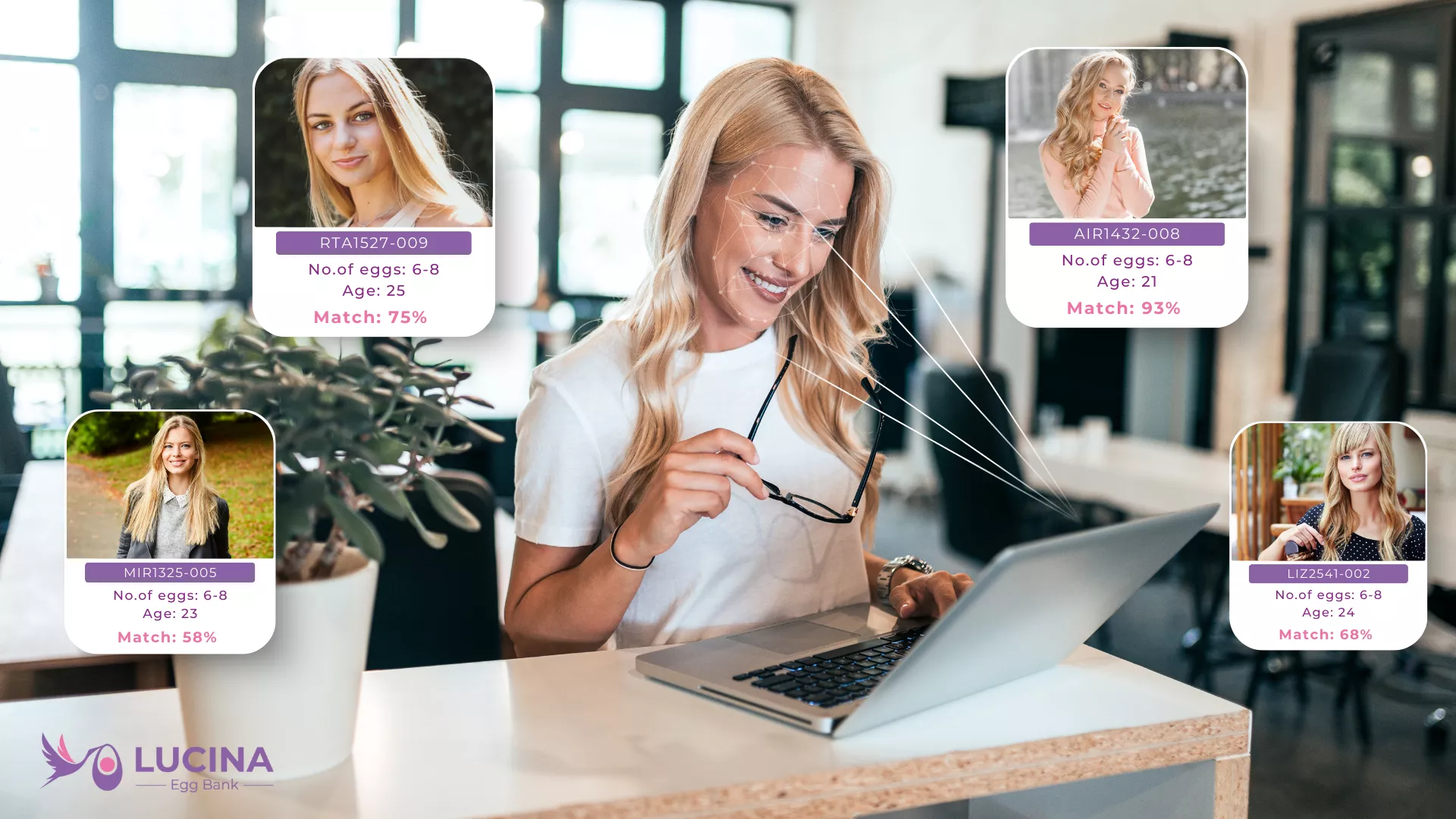
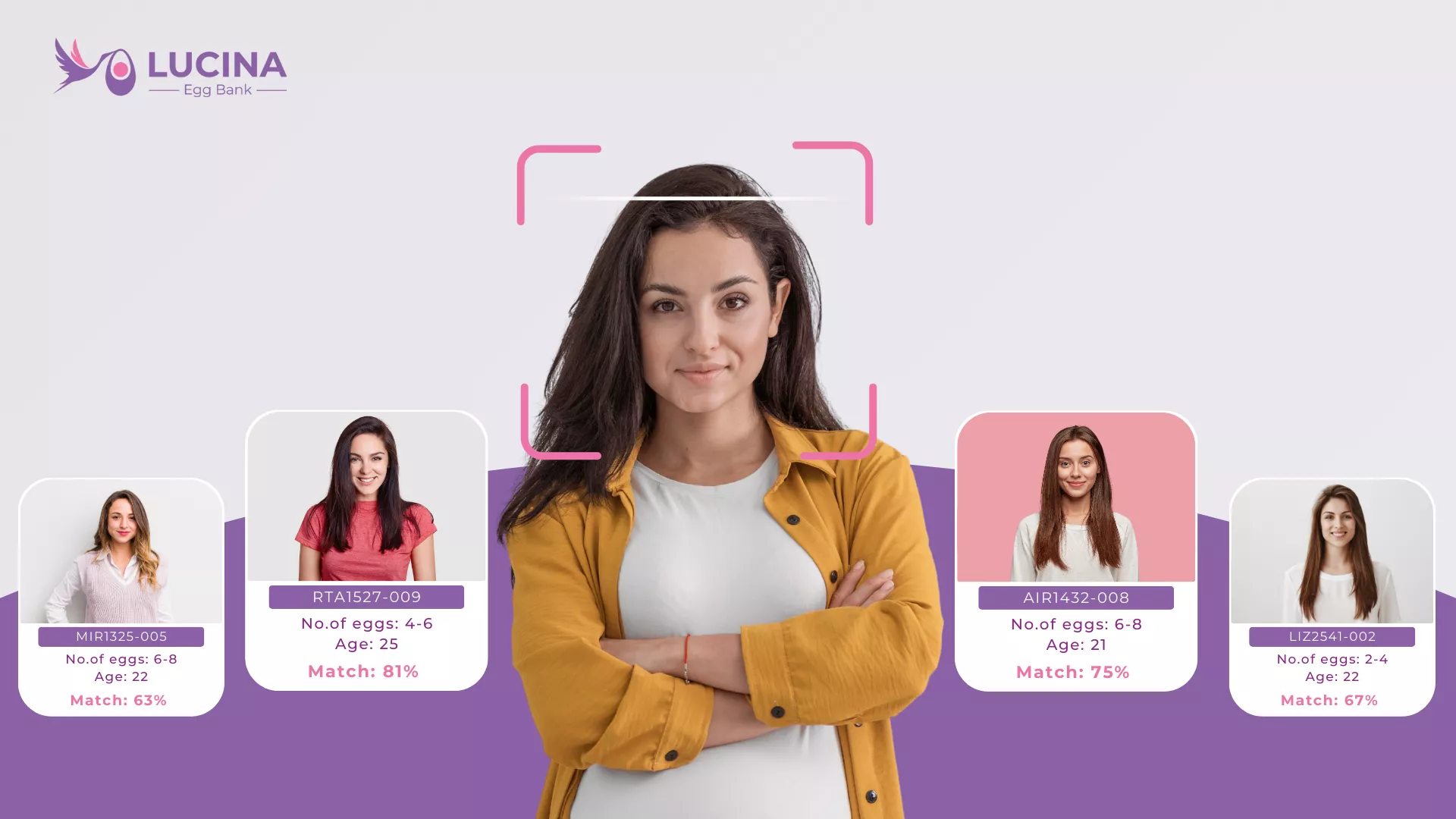
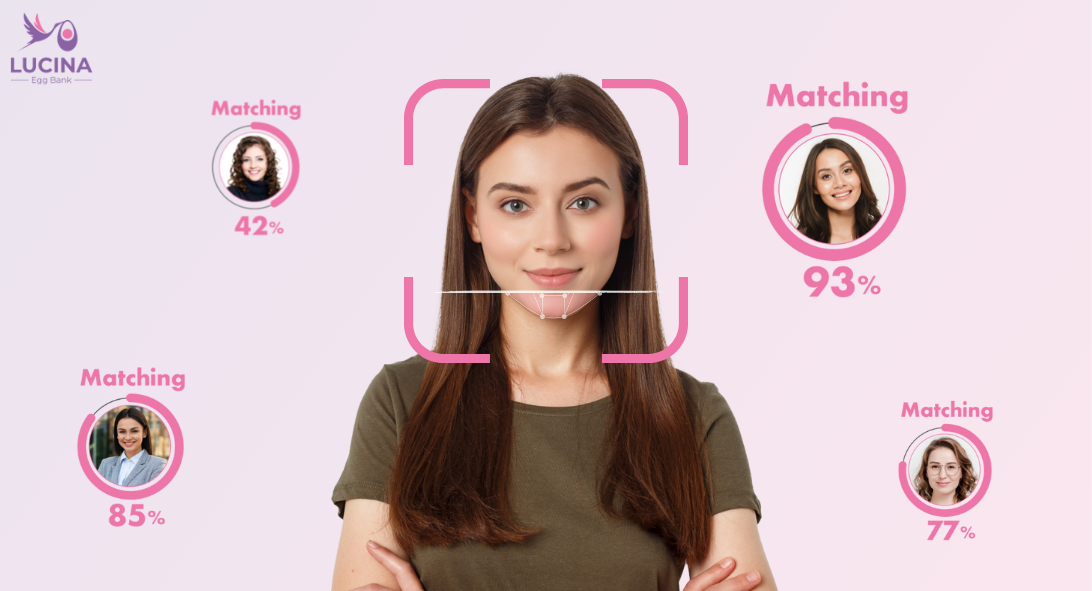
If physical likeness matters to you, that is worth naming early. Our ReflEggction® AI matching uses facial recognition to surface donors who resemble you, cutting search time by up to 70%. It is the only tool of its kind among U.S. egg banks.
Your Role in Shaping Your Baby’s Development
The care you give during pregnancy reaches past physical growth. By managing stress, eating well, and staying connected to the baby you are carrying, you influence brain development, immune function, and even early temperament. Genetics set the stage. The maternal environment directs a real part of the performance.
What the science says you can and cannot influence with a donor egg.
How Epigenetics Reassures Parents Using Donor Eggs
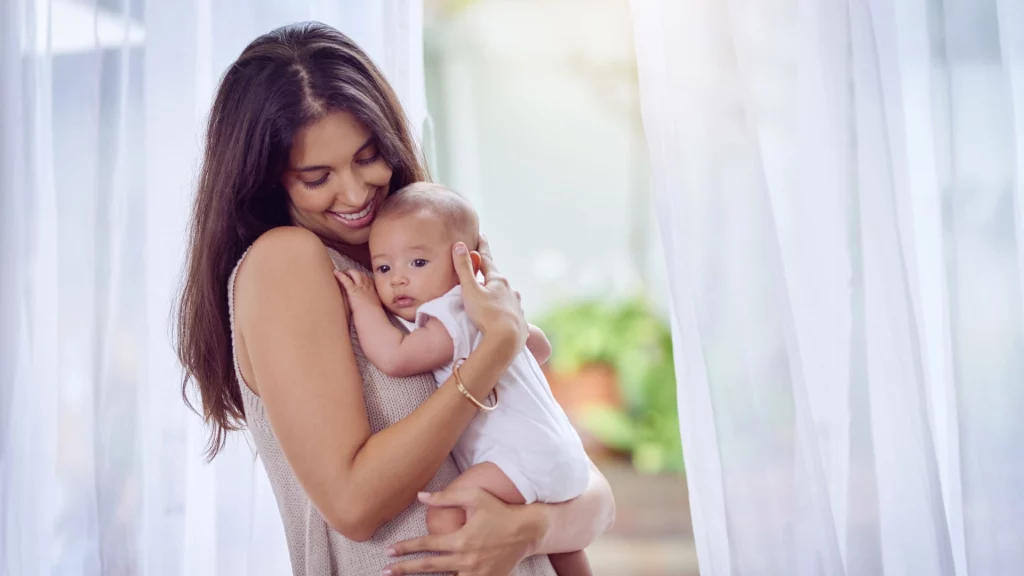
The fear of feeling disconnected from a donor-conceived child is common, and epigenetics speaks directly to it. The bond is not built on shared chromosomes alone. Your body shapes how your baby’s genes work, which means your role in their development is biological, not just emotional.
That reframes the whole worry. You may not pass on your DNA, but you are not a bystander to your baby’s growth either. The environment you create leaves a measurable mark, and that connection holds whether or not anyone can see your nose on their face.
This article is educational, not medical advice. Epigenetics is an active research field, and findings continue to evolve. Talk with your fertility specialist about your specific situation before making decisions.
Bringing the Epigenetics Donor Egg Picture Together
Two things shape your baby: the egg’s genetic material and the body that carries it. The epigenetics donor egg research shows your pregnancy is not passive, so the environment you build genuinely affects how your child develops.
That means the donor decision and the daily-care decision both count. Choose a well-screened donor, then give those genes the healthiest environment you can. If resemblance is on your mind, the right matching tools can take some of the guesswork out of the first half.
Match With a Donor Who Resembles You
If a sense of resemblance matters to you, ReflEggction AI surfaces donors whose features echo yours, so the genetic starting point feels closer to home.
3,500+ screened donor profiles · 92.2% frozen egg survival rate (2022) · Up to 70% faster donor search
$0 to browse the gallery. Triple Guarantee programs available. ReflEggction AI matches donors by facial recognition.
Frequently Asked Questions
Julianna Nikolic
Chief Strategy Officer Julianna Nikolic leads strategic initiatives, focusing on growth, innovation, and patient-centered solutions in the reproductive sciences sector. With 26+ years of management experience and a strong entrepreneurial background, she brings deep expertise to advancing reproductive healthcare.

Table of Contents
- What Epigenetics Means When You Use a Donor Egg
- How Your Pregnancy Shapes Your Baby Through Epigenetics
- Building a Healthy Environment for Your Baby
- Why the Donor Egg Quality Still Matters
- Epigenetics, Traits, and the Resemblance Question
- Your Role in Shaping Your Baby's Development
- How Epigenetics Reassures Parents Using Donor Eggs
- Bringing the Epigenetics Donor Egg Picture Together
- Frequently Asked Questions