What Makes a Healthy Egg Donor? How to Evaluate Quality Before You Choose

When you’re selecting a donor, “healthy” means more than passing a basic medical screen. It means a donor whose eggs have demonstrated quality — through screening data, stimulation response, and in some cases, a prior donation track record. Knowing how to read that data is what separates a confident choice from a hopeful guess.
This guide covers what donor health and quality actually looks like on paper, how proven egg donors differ from first-time donors, and what questions to ask before you commit. At Lucina Egg Bank, every donor in our pool of 3,500+ screened profiles meets FDA and ASRM standards — but within that pool, there are still meaningful differences worth understanding.
What Actually Makes a Healthy Egg Donor
Donor health isn’t a single data point. It’s a composite picture built from multiple screening layers, all of which reputable egg banks complete before a donor enters the active pool.

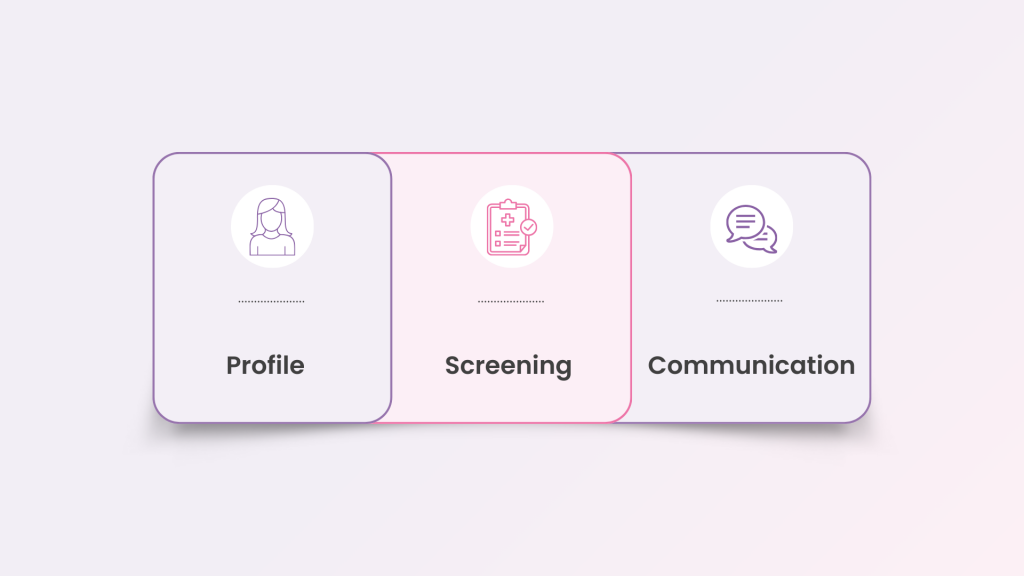
The American Society for Reproductive Medicine (ASRM) sets the minimum standards: genetic testing, complete medical history, infectious disease screening, a psychological evaluation, and ovarian reserve assessment. FDA requirements layer on top of that with additional infectious disease testing for all donors of reproductive tissue.
Within that screened population, here’s what separates a high-quality donor from one who merely clears the minimum bar:
- Ovarian reserve. AMH (anti-Müllerian hormone) and antral follicle count predict how many mature eggs a donor is likely to produce during stimulation. Higher reserve generally means more eggs retrieved per cycle and more options for the intended parent.
- Stimulation response. How a donor’s ovaries respond to fertility medications is one of the most predictive factors in egg quality and quantity. Donors who respond well produce more mature, fertilizable eggs.
- Genetic screening results. Expanded carrier screening tests for hundreds of inherited conditions. A donor with a clean panel, or one whose carrier status doesn’t conflict with the intended parent’s, reduces genetic risk to the embryo.
- Psychological evaluation. Donor stability and reliability affect whether a cycle completes as planned. A donor who has been through the process before and returned has already demonstrated commitment.
- Age. Egg quality declines with age. Lucina’s donor age range is 19–31, which keeps every donor in the window where egg quality is highest. This applies to both proven and first-time donors in the pool.
What Is a Proven Egg Donor?
A proven egg donor has completed at least one prior donation cycle with confirmed outcomes — meaning there is documented data on how her eggs fertilized, developed into embryos, and in many cases, resulted in a pregnancy or live birth.
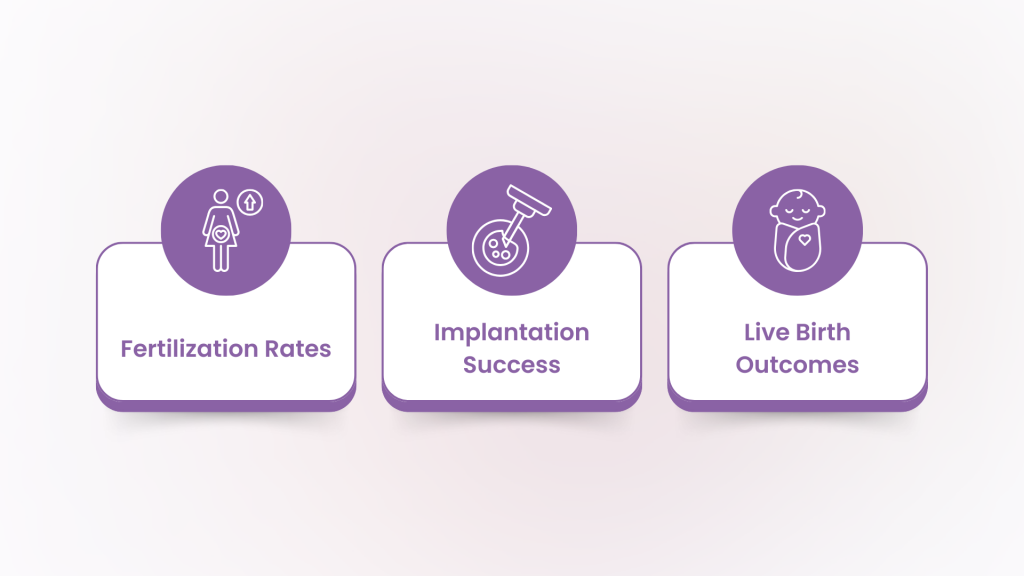
That history matters because it removes some of the unknowns. With a first-time donor, you’re relying on screening predictions — her ovarian reserve, her genetic results, her stimulation protocol plan. With a proven donor, you have actual results: how many eggs were retrieved, what percentage fertilized, how embryos developed. You’re choosing based on evidence rather than projection.
ASRM guidelines limit donations to six lifetime cycles per donor, with a minimum recovery period of approximately two months between cycles. Proven donors are re-screened medically and psychologically before each subsequent donation — so a donor on her third cycle has cleared three independent evaluations, not just one. You can learn more about the full egg donor screening process and what each step tests for.
Key characteristics of proven donors include a documented response to ovarian stimulation, confirmed fertilization rates from prior cycles, and a track record of reliability and follow-through throughout the donation process.
Proven vs. First-Time Donors: What the Data Actually Shows
Proven donors are not automatically more successful than first-time donors. The distinction is about data availability, not inherent egg quality.
A first-time donor who scores well on ovarian reserve testing, responds strongly to stimulation, and produces a high yield of mature eggs may outperform a proven donor whose prior cycles showed modest fertilization rates. The recipient’s own health, uterine environment, and embryo transfer protocol also play a significant role in outcomes — factors that have nothing to do with the donor’s history.
What proven donors offer is a different kind of confidence: known quantities rather than better odds. For intended parents who’ve been through multiple failed cycles and find the unknowns especially difficult to tolerate, that concrete data can meaningfully reduce anxiety during the selection process. For others, the right match on genetics, appearance, and background matters more than whether the donor has a prior cycle on record.
Why the Egg Bank’s Outcomes Matter as Much as the Donor’s
One factor that gets less attention in donor selection: the egg bank’s own post-thaw survival rate shapes outcomes regardless of which donor you choose.
Frozen eggs require vitrification — a flash-freezing process — and thawing before fertilization. How well eggs survive that process depends on the lab’s technique, not the donor’s history. In 2022, Lucina’s frozen egg survival rate was 92.2%, compared to a 63.5% industry average. That 28-point gap means the eggs you select are far more likely to be viable at thaw, which affects everything downstream: fertilization rates, embryo development, and ultimately pregnancy outcomes.
A proven donor’s track record at a bank with mediocre vitrification outcomes is worth less than a first-time donor’s eggs at a bank with consistently high post-thaw survival. Both pieces of the equation matter. You can review how donor egg success rates and guarantee programs work to understand what the numbers behind the process actually mean.
How to Identify a High-Quality Donor in a Profile
Working with a reputable frozen egg bank that provides detailed donor profiles is the starting point. Transparency in what’s disclosed — and what isn’t — tells you a lot about the program’s standards before you look at a single donor.
Here’s what to look for when reviewing a donor profile:
Prior Cycle Data (If Available)
For proven donors, the profile should include the number of prior cycles completed, eggs retrieved per cycle, fertilization rates, and whether pregnancies or live births resulted. If a bank describes a donor as “proven” without supplying this data, that’s a gap worth questioning.
Screening Documentation
Both first-time and proven donors should have documented FDA-compliant infectious disease testing, expanded carrier screening results, and a psychological evaluation on record. For proven donors, confirm that re-screening occurred before the most recent cycle — not just the initial one.
Ovarian Reserve Markers
AMH level and antral follicle count are the two primary predictors of egg yield. Some banks include these in profiles; others don’t. If yours does, look for AMH above 1.0 ng/mL as a general indicator of adequate reserve, though your fertility specialist can contextualize this relative to protocol and your specific situation. Consult your clinic for guidance on interpreting these numbers for your case.
Genetic Carrier Screening Results
Expanded carrier screening tests for 200–500+ inherited conditions depending on the panel. A donor’s carrier status only becomes clinically relevant when both the donor and the sperm source carry the same recessive condition. Your fertility clinic’s genetic counselor can cross-reference donor and partner carrier status to assess risk.
Questions to Ask Before Choosing a Donor
Whether you’re looking at proven or first-time donors, these questions cut through the surface-level profile information and get to what actually predicts outcomes. Ask your egg bank directly:
- What were the outcomes of this donor’s previous cycles? (If applicable — number of eggs retrieved, fertilization rate, embryo grade, pregnancies or live births.)
- How did she respond to ovarian stimulation? Was her response typical, high, or low for her age and protocol?
- What is the egg bank’s post-thaw survival rate across all donors, and is that rate specific to this donor’s prior cycles?
- Has this donor been re-screened since her last cycle, and what did that screening include?
- How many cohorts remain available from this donor’s most recent retrieval?
If a bank can’t or won’t answer the questions above, that tells you something important about their transparency standards — before you’ve committed any money. How a bank responds to detailed questions is one of the best signals of how they’ll handle the rest of the process.
Is a Proven Donor the Right Choice for You?
The decision comes down to what you’re optimizing for. If eliminating unknowns is the priority — particularly after prior failed cycles — a proven donor gives you the most concrete data to work with. If finding the best overall match on genetics, appearance, and background is the priority, the larger first-time donor pool gives you more options.
Proven donors tend to be in higher demand, which can mean shorter availability windows and in some programs, higher compensation costs. For intended parents working within a specific timeline, this is worth accounting for early in the selection process.
What neither type of donor can fully control is the outcome on your end — uterine receptivity, embryo transfer protocol, medication response, and your own health history all feed into whether a cycle results in pregnancy. Your fertility specialist is the right person to weigh all of these variables together with the donor data you’re evaluating. For a broader look at how to approach the selection process, our guide on choosing an egg donor covers the full decision framework.
Browse Proven and First-Time Donors at Lucina
Every donor in our pool is FDA-screened and ASRM-compliant. Browse 3,500+ profiles for free — filter by prior cycle history, genetics, and physical traits — with $0 upfront to start.
3,500+ screened donor profiles · 92.2% frozen egg survival rate (2022) · 61.5% clinical pregnancy rate (2022)
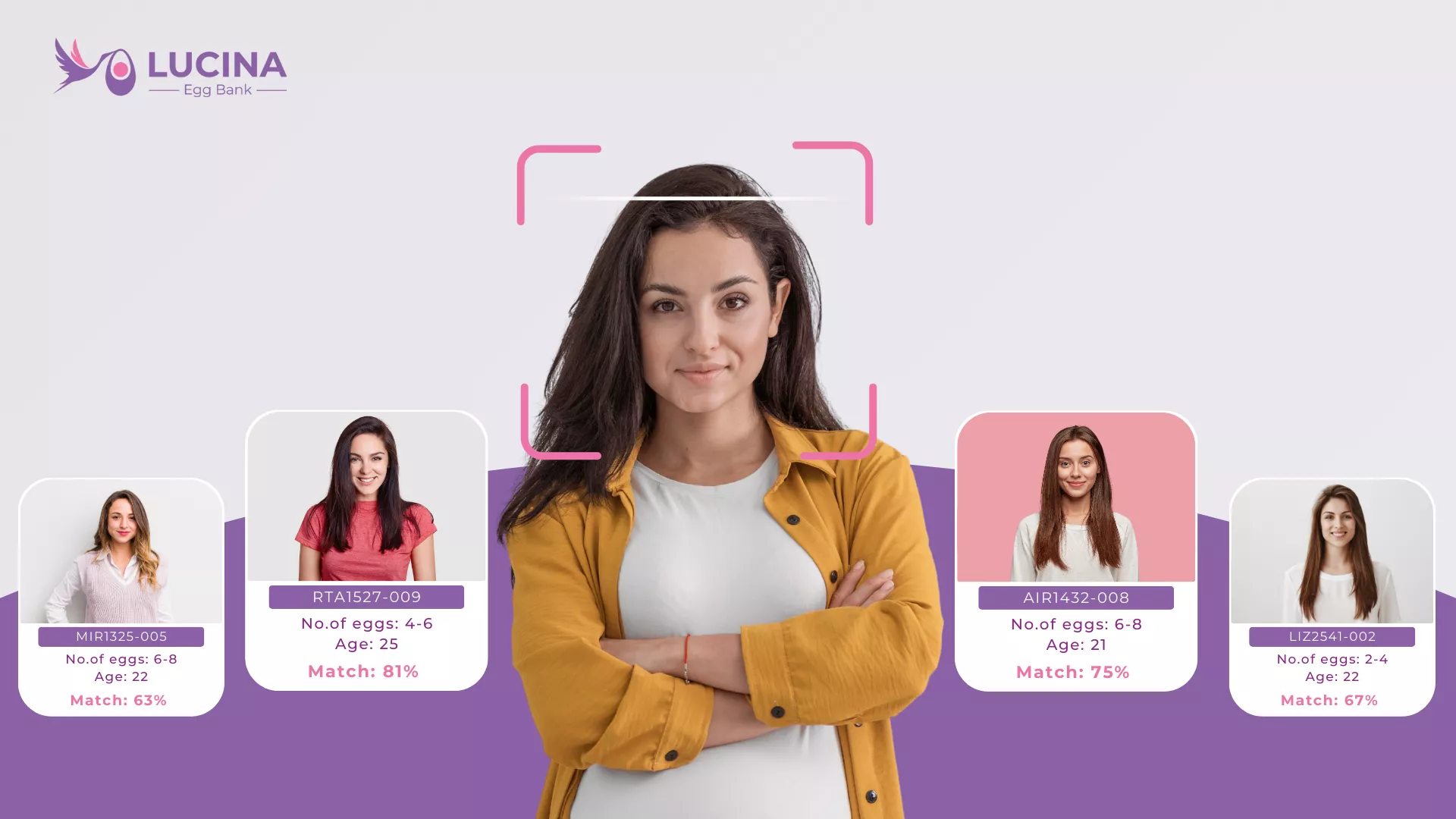
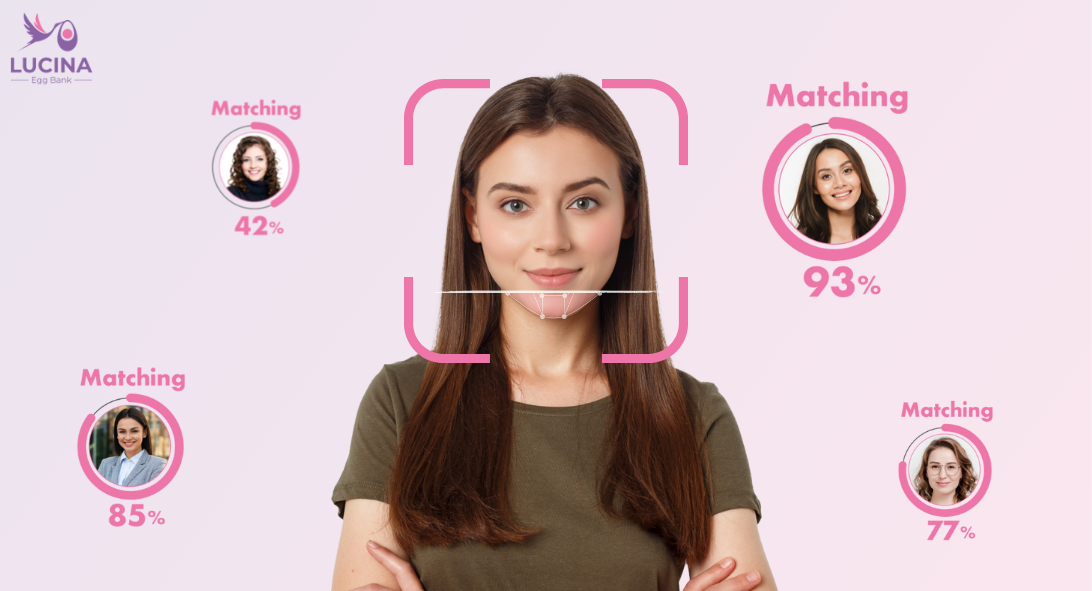
$0 to browse the gallery. Triple Guarantee programs available. ReflEggction AI matches donors by facial recognition.
FAQs

Julianna Nikolic
Chief Strategy Officer Julianna Nikolic leads strategic initiatives, focusing on growth, innovation, and patient-centered solutions in the reproductive sciences sector. With 26+ years of management experience and a strong entrepreneurial background, she brings deep expertise to advancing reproductive healthcare.

Table of Contents
- What Actually Makes a Healthy Egg Donor
- What Is a Proven Egg Donor?
- Proven vs. First-Time Donors: What the Data Actually Shows
- Why the Egg Bank's Outcomes Matter as Much as the Donor's
- How to Identify a High-Quality Donor in a Profile
- Questions to Ask Before Choosing a Donor
- Is a Proven Donor the Right Choice for You?
- FAQs