
When you start reviewing donor profiles, three questions compete for your attention: Is she genetically healthy? Does she look like me or my partner? And what does her personal health history show? Most intended parents assume these questions have a clear hierarchy. They don’t. But knowing how to pick an egg donor requires thinking through each one differently.
Some factors set a non-negotiable floor. Others give you room to be personal. Health history and genetic screening set the floor. Physical appearance and education fall into the personal preference column. The challenge is keeping those categories separate so you don’t spend the most time on the most flexible part of your decision.
The Three Factors Every Intended Parent Weighs
Genetics, appearance, and health are often treated as equally important. They’re not. Recognizing the difference between what affects outcomes and what affects personal fit makes the selection process much less overwhelming.

When picking an egg donor, health history and genetic screening carry the most weight for outcomes. Physical appearance is a legitimate preference but plays no medical role in egg quality. At Lucina, every donor passes multi-stage screening before appearing in the gallery. Always discuss your shortlist with your fertility specialist before deciding.
How to Pick an Egg Donor: Health History Comes First
A donor’s health history is the factor most directly linked to egg quality and In Vitro Fertilization (IVF) success. A donor who maintains a healthy weight, doesn’t smoke, exercises regularly, and has no chronic illness history is more likely to respond well to stimulation and produce quality eggs.
Reputable egg banks run multi-stage health reviews before a donor joins the pool. At Lucina, that includes a full physical exam, hormone panel, blood work, and a detailed lifestyle review per FDA tissue donor regulations. Donors who don’t clear health benchmarks don’t reach the gallery.
Psychological screening is also part of the process. Donors complete evaluations confirming emotional readiness and a full understanding of what donation involves. A mentally prepared donor is more consistent through the medication protocol, which translates to better retrieval outcomes.
The egg donor screening process at Lucina is built to give intended parents confidence before they’ve seen a single profile.
What Genetic Screening Actually Tells You
Genetic testing covers a different question than health history. Health history looks at lifestyle and current physical condition. Genetic screening looks at inherited risk passed down through family lines. Both matter, but they answer different questions.
Every donor at a reputable egg bank undergoes carrier screening per guidelines from the American Society for Reproductive Medicine (ASRM). This covers hundreds of hereditary conditions, including cystic fibrosis, spinal muscular atrophy, and fragile X syndrome. A positive carrier result doesn’t disqualify a donor.
Carrier status means the donor carries one copy of a gene variant but isn’t affected herself. Whether that matters depends on the intended father’s or sperm donor’s results. Your fertility specialist compares both before clearance. This is one reason why genetic matching in egg donation happens at the clinic level, not just at the egg bank.
Family medical history adds a layer beyond the lab. A donor whose immediate family has no history of early-onset hereditary conditions gives intended parents an additional signal worth weighing. This information appears in each donor profile and is available during the review phase.
Genetic screening identifies carrier status and known hereditary risks. It can’t predict every possible health outcome. Consult your fertility specialist to interpret genetic results in the context of your specific situation and sperm source.
Should Physical Appearance Factor Into Your Decision?
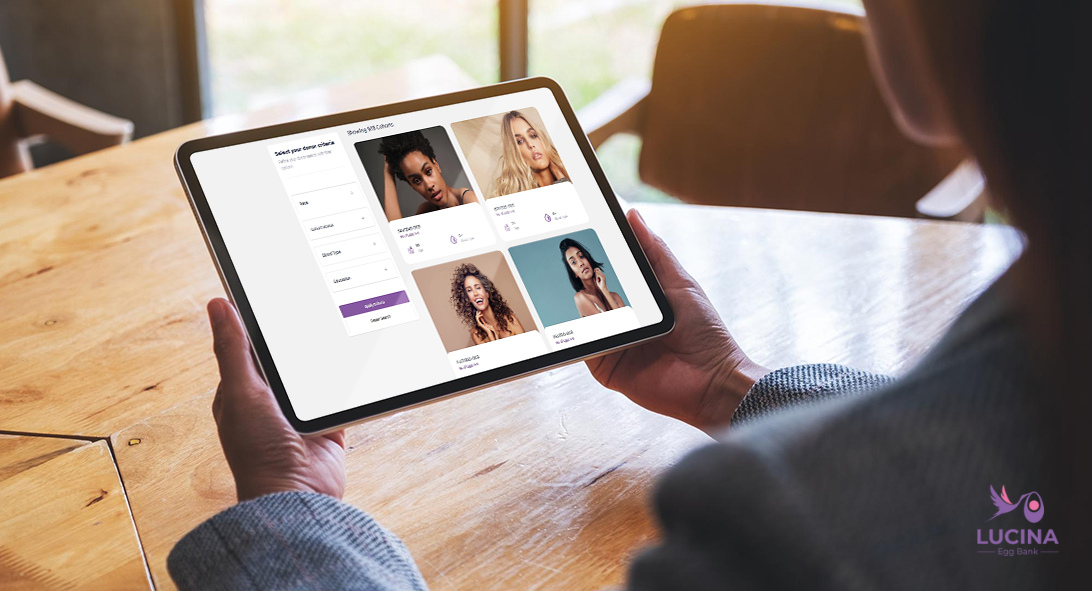
Most intended parents want some degree of physical resemblance between themselves and their donor. That’s a reasonable preference, and it’s one of the most personal parts of the entire selection process. It also has no bearing on egg quality or IVF outcomes.
Physical traits like hair color, eye color, height, and facial structure are visible in donor profiles and photos. But the connection between a donor’s appearance and a child’s features isn’t direct. Expression of inherited traits depends on both the egg and the sperm, and the combination can produce results neither parent anticipated.
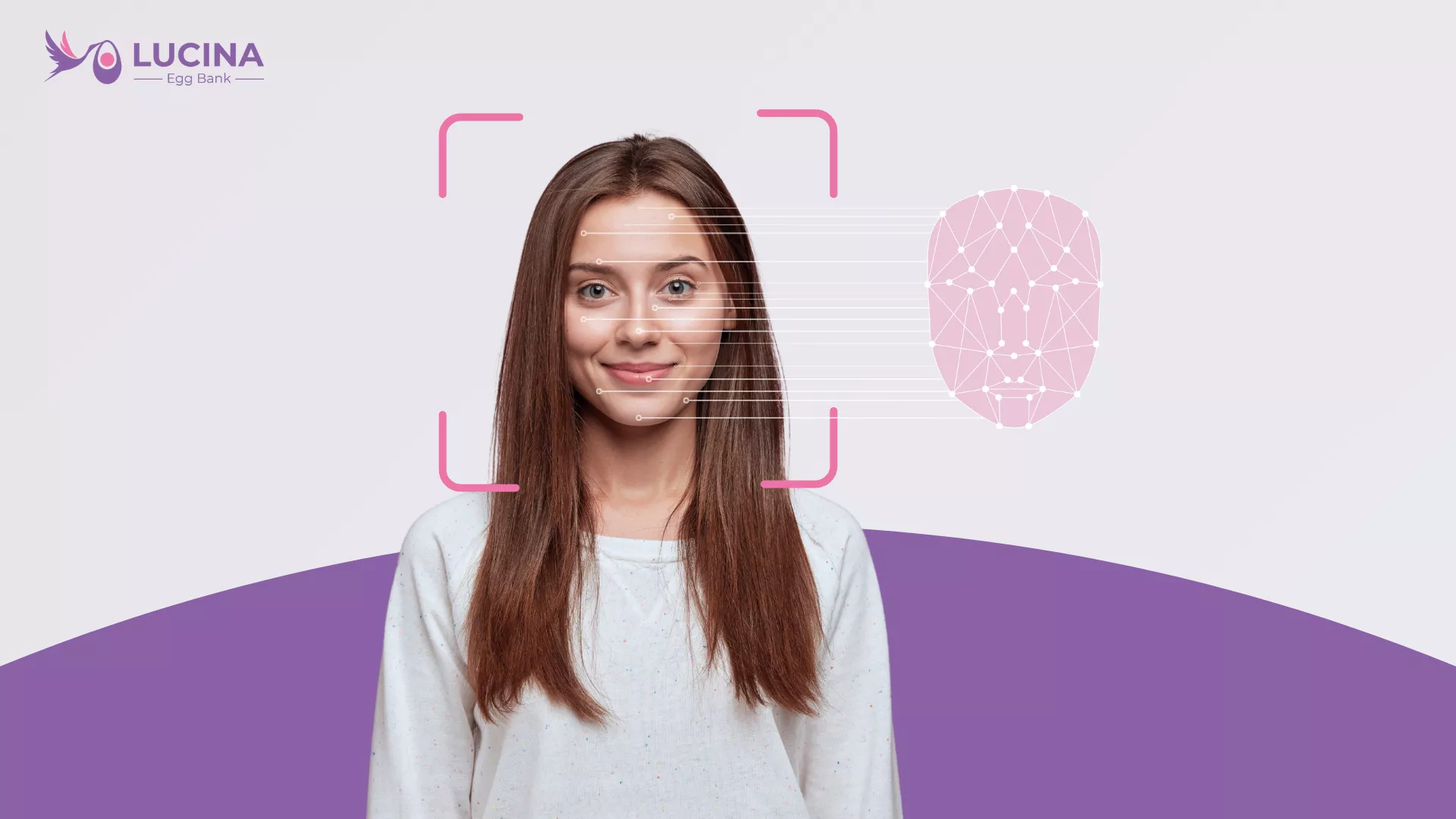
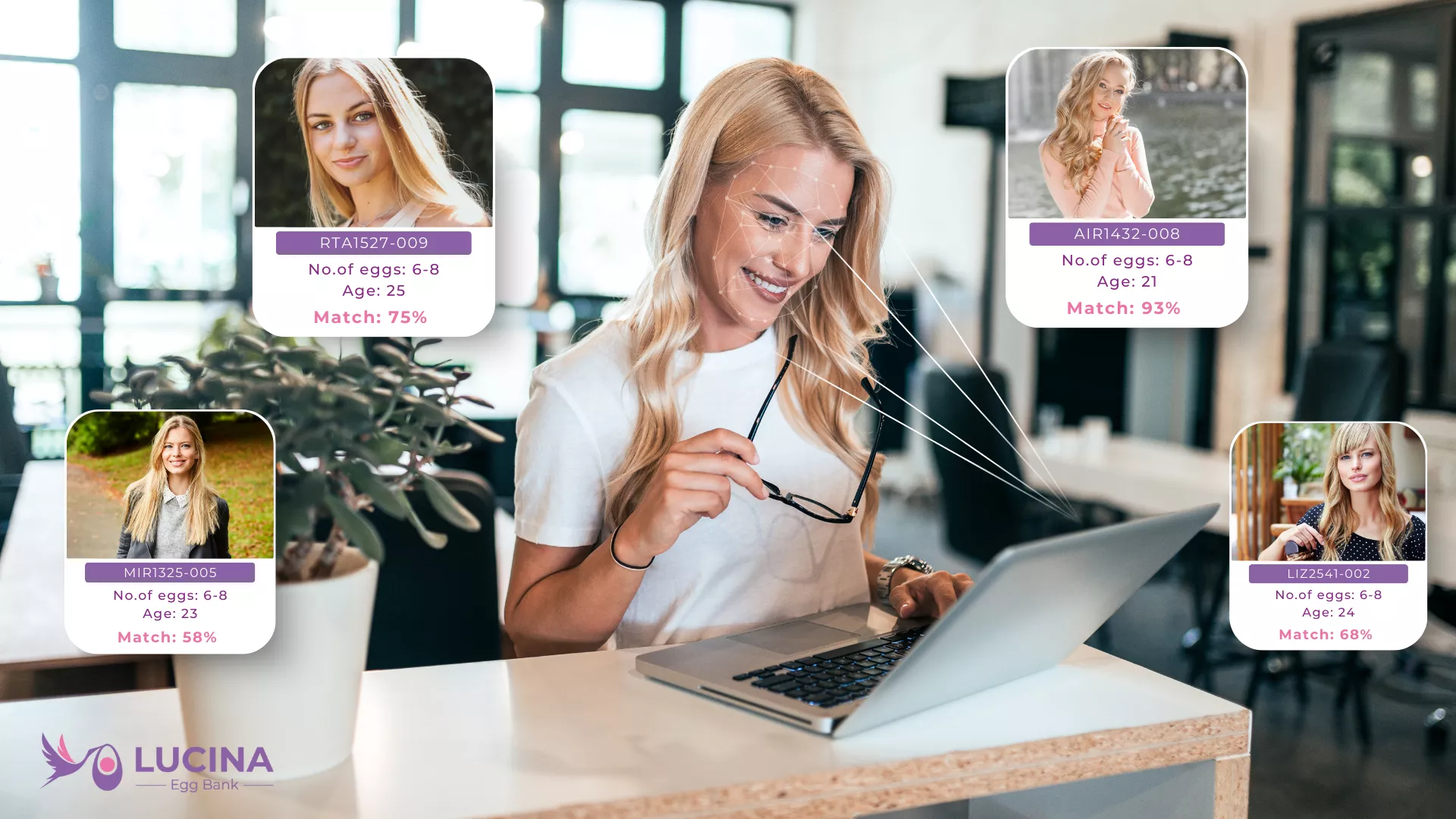
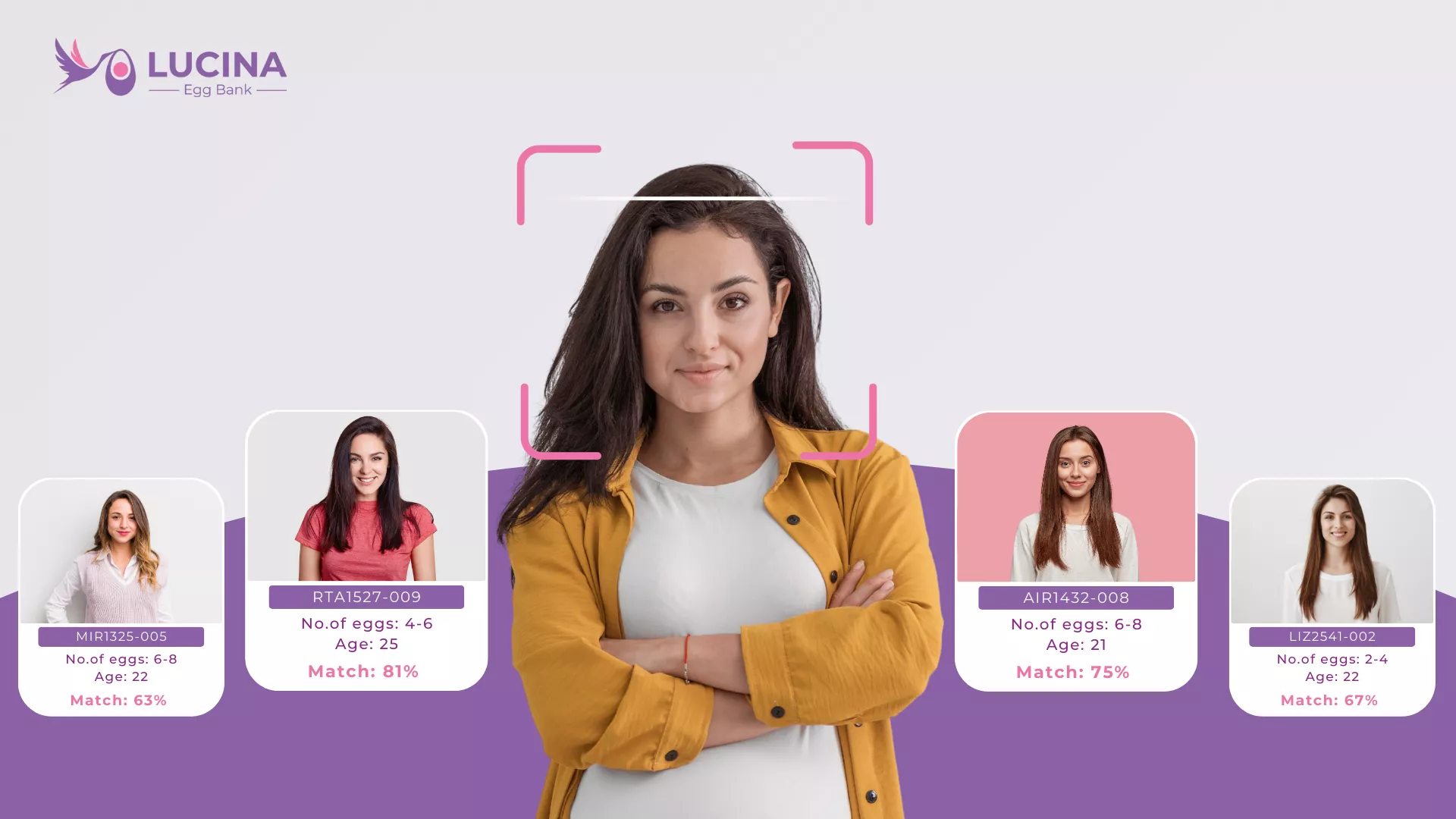
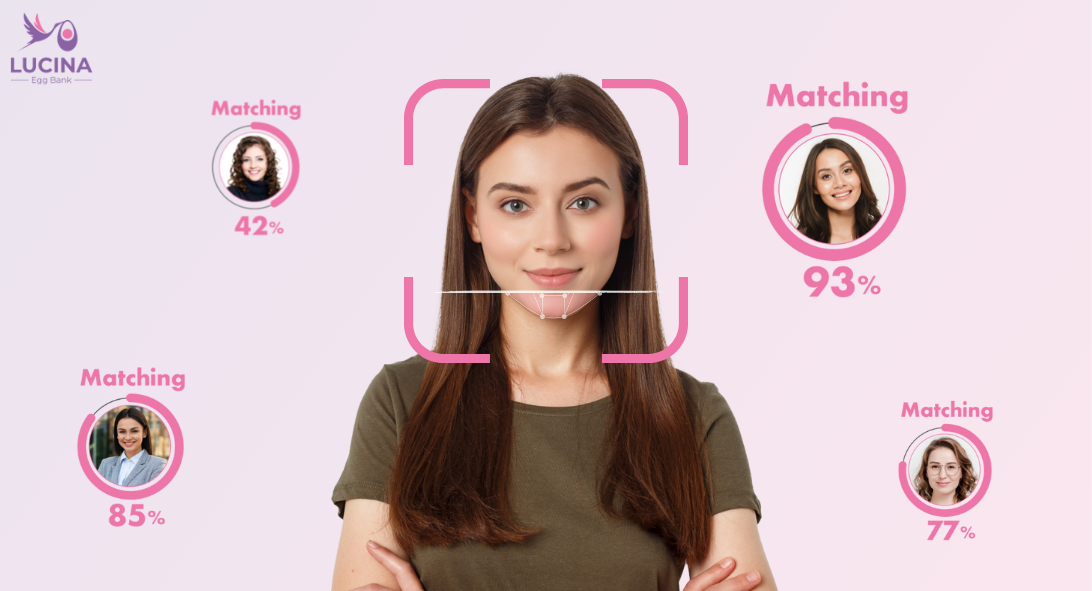
This is where ReflEggction® AI matching helps. It’s the first facial recognition donor matching system in the U.S., using phenotypic analysis to surface donors who share key facial features with the intended parent. Search time drops by up to 70% compared to manual browsing.
If resemblance is a top priority, run ReflEggction® AI before applying other filters. Starting with facial matching and then checking health and genetics is faster than filtering down from a large list manually.
Bringing Genetics, Looks, and Health Together
The clearest framework treats these three factors as two distinct categories: non-negotiables and personal preferences. Non-negotiables are health and genetics. Personal preferences are appearance, education, and cultural background.
Start by reviewing every donor who meets your health and genetics benchmarks. Then layer personal preferences on top of that qualified pool. Intended parents who start with appearance filters tend to create a smaller pool that may miss strong matches on the factors that actually matter for outcomes.
Two categories, one decision: what sets the floor vs. what personalizes the choice.
A Practical Framework for How to Pick an Egg Donor
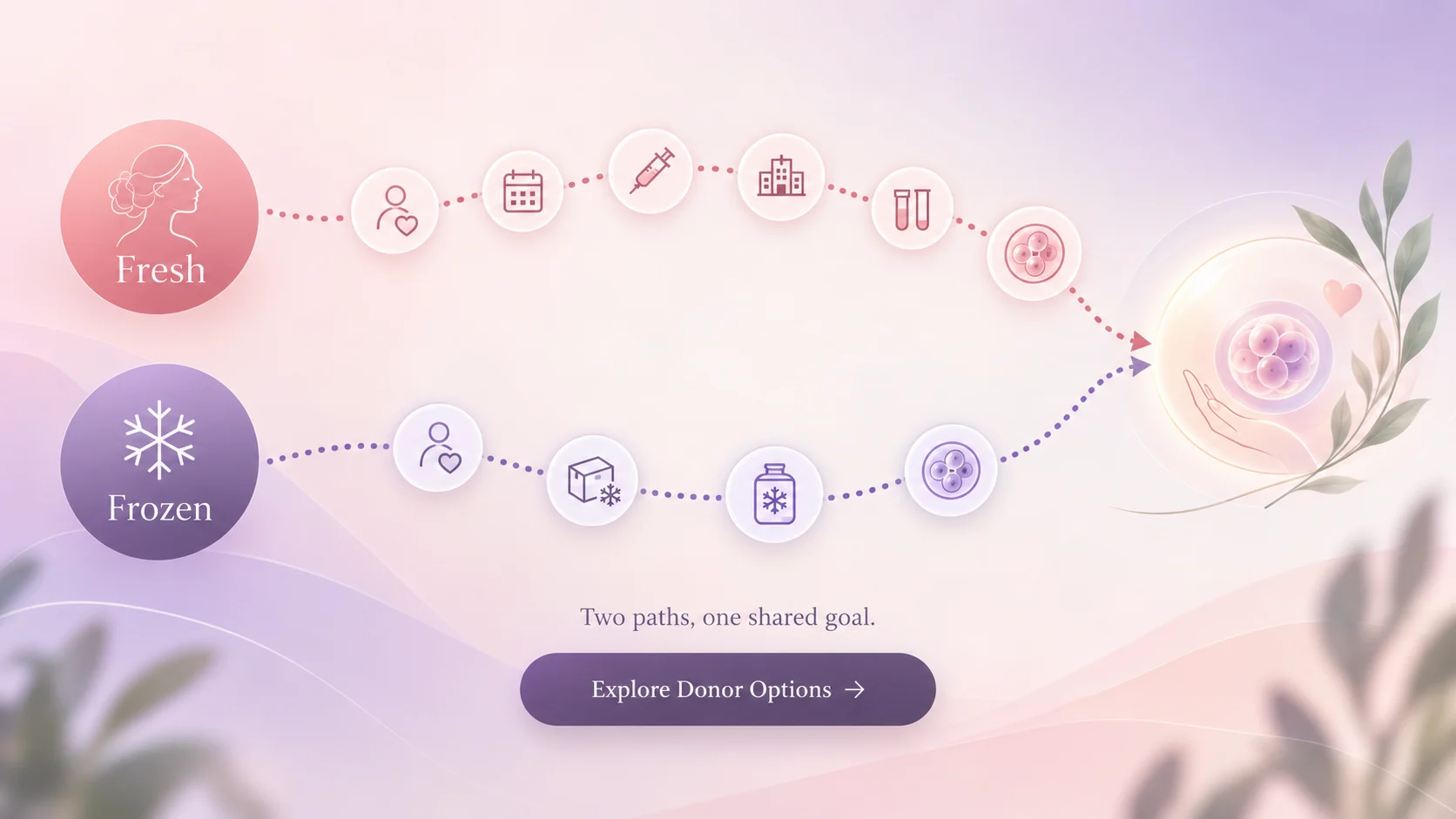
Most intended parents find it less stressful to move through the decision in stages rather than weighing every factor at once. Here’s a six-step sequence that keeps the categories in the right order.
Decide which health factors are non-negotiable: lifestyle habits, medical history, and overall health markers visible in each profile. Write these down before you open the gallery.
If a donor carries a gene variant, check it against your partner’s or sperm donor’s results before ruling her out. A single carrier result rarely disqualifies a donor on its own.
List the physical traits that matter most to you: height, eye color, hair type, facial structure. Keep it to three or four traits. More than that usually leads to an overly narrow search.
Use ReflEggction® AI to surface donors whose facial features align with yours. This step alone cuts typical search time by up to 70%.
Review education, interests, and lifestyle from the full donor profile. This step is about personal fit after your medical priorities are satisfied, not before.
Take two or three finalist profiles to your fertility specialist before committing. Genetic results are reviewed at the clinic level. Having a backup shortlist avoids delays if your first choice isn’t available for your cycle timing.
Making the Call When Every Factor Feels Important
Knowing how to pick an egg donor gets less overwhelming when the decision is broken into two stages. Stage one is medical: health history and genetic screening. Stage two is personal: appearance, education, and cultural background. The order of those stages determines how much time you spend agonizing.
Most intended parents spend too much time in stage two before finishing stage one. A donor with strong health markers and clean genetics who doesn’t look exactly like you is a stronger foundation than a donor who looks like you but has flags in her health history.
Once the medical stage is settled, the remaining egg donor qualities worth evaluating, including education, lifestyle, and cultural background, are covered in more depth separately. When you’re ready to browse, Lucina’s gallery is free to access before you commit to anything.
Find Your Egg Donor Among 3,500+ Screened Profiles
Browse Lucina’s donor gallery free before you commit to anything. Use health and genetic filters to set your floor, then let ReflEggction® AI match by facial features to finalize your shortlist.
3,500+ screened donor profiles · 92.2% frozen egg survival rate (2022) · $0 to browse the gallery
$0 to browse the gallery. Triple Guarantee programs available. ReflEggction® AI matches donors by facial recognition.
Frequently Asked Questions

Julianna Nikolic
Chief Strategy Officer Julianna Nikolic leads strategic initiatives, focusing on growth, innovation, and patient-centered solutions in the reproductive sciences sector. With 26+ years of management experience and a strong entrepreneurial background, she brings deep expertise to advancing reproductive healthcare.

Table of Contents
- The Three Factors Every Intended Parent Weighs
- How to Pick an Egg Donor: Health History Comes First
- What Genetic Screening Actually Tells You
- Should Physical Appearance Factor Into Your Decision?
- Bringing Genetics, Looks, and Health Together
- A Practical Framework for How to Pick an Egg Donor
- Making the Call When Every Factor Feels Important
- Frequently Asked Questions