
Using an egg donor can improve the chances of a successful pregnancy. This option gives hope to couples, single men, and same-sex partners who cannot conceive on their own.
While in vitro fertilization (IVF) with donor eggs is highly effective for those dealing with infertility, outcomes can vary.
It’s important to know what affects egg donation success rates, so you can set realistic expectations and make informed decisions.

Key Takeaways
- • Donor egg IVF tends to be more successful than standard IVF, with pregnancy rates of 60-70% per cycle.
- • The donor’s age is the most important factor that determines egg quality. This is why only women between 19 and 31 are accepted in the Lucina Egg Donation Program.
- • The recipient’s age also plays a role in IVF outcomes. Women over 40 can still do very well with donor eggs.
- • Frozen egg cycles now match and sometimes beat fresh cycles, thanks to advances in vitrification technology.
- • When choosing a clinic, five things matter most: ASRM compliance, honest success rate reporting, donor screening standards, guarantee programs, and patient support.
- • Many families have succeeded with donor eggs after years of failed IVF— some on their very first transfer.
- • Choosing a reputable egg bank with strong lab standards is one of the most important decisions you’ll make on this journey.
Pregnancy Success Rates Using Donor Eggs
Using donor eggs often leads to better success rates than traditional IVF with a woman’s own eggs. This is especially true for women with diminished ovarian reserve or those with advanced maternal age.
The donor egg IVF success rate can be 60–70% per cycle. This is much higher than the rates seen with standard IVF. One main reason for this success is the quality of the donated eggs, which typically come from young, healthy individuals carefully screened for overall health znd family medical history.
Genetic testing is also implemented to avoid genetic disorders. Additionally, advancements in egg donor in vitro fertilization, including egg retrieval and embryo transfer techniques, have further improved outcomes.
Many families find joy in successful pregnancies through egg donation. Finding a good egg donor is possible through a reliable egg bank and expert help from a trusted fertility center.
Factors Influencing Success Rates
Many important factors affect the chances of pregnancy when using an egg donor. Understanding these factors can help you make informed decisions and improve your chances of success.
Age of the Egg Donor
The donor’s age is the single most important factor in egg quality and, by extension, donor egg IVF success rates. Eggs from younger donors – typically between 19 and 31 – have lower rates of chromosomal abnormality, better fertilisation potential, and higher blastocyst development rates. This is why Lucina Egg Bank limits its donor pool to women aged 19–31, in line with ASRM guidelines. Choosing a younger, thoroughly screened donor directly improves the likelihood of creating viable embryos.
Age of the Recipient
While the recipient’s age does not affect egg quality, it does affect the pregnancy environment. As women age, the uterine lining may respond differently to hormonal preparation, and the risk of pregnancy complications, including gestational diabetes and hypertension, increases. That said, donor egg IVF success rates remain far more stable across age groups than traditional IVF, because egg quality is controlled by the donor’s age. Women in their 40s and even early 50s can and do achieve successful pregnancies with donor eggs.
| Recipient Age | Clinical Pregnancy Rate (donor eggs, approx.) |
Live Birth Rate (donor eggs, approx.) |
Live Birth Rate (own eggs, for comparison) |
|---|---|---|---|
| Under 35 | 55–65% | 45–60% | ~40–45% |
| 35–40 | 55–65% | 40–55% | ~25–35% |
| 40–44 | 50–60% | 35–50% | ~10–20% |
| 45 and over | 45–55% | 30–45% | <5% |
Learn more about how age affects your specific situation here.
Health and Lifestyle of the Donor
The donor’s health and lifestyle are important factors. A good egg donor program includes extensive screenings for its donors to assess their overall health. These evaluations look at fitness levels, eating habits, and whether harmful behaviors are present. This includes smoking or drug use. A healthy donor guarantees better egg quality, which increases the likelihood of success.
Health and Readiness of the Intended Mother
The overall health of the future mother plays a major role in the success of fertility treatment. Maintaining good overall health, including proper nutrition, managing stress, and following medical guidance, increases the chances of a positive outcome. However, for intended parents whose medical history prevents carrying a pregnancy safely, achieving these high success rates often involves using a gestational surrogate.
Embryo Quality
High-quality embryos result from the combination of healthy eggs and sperm. When embryos undergo genetic testing, the chances of implantation improve during IVF cycles. This testing also reduces the risk of miscarriage, ensuring an easier journey.
Type of Cycle
Using a frozen egg donor has become a widely preferred option for many intended parents. Frozen eggs maintain excellent success rates, thanks to advanced cryopreservation techniques.
Fertility Clinic Expertise
The expertise of the fertility clinic plays a key role in achieving success with egg donation. The best fertility clinics with skilled medical teams ensure every step is done right. This includes everything from egg retrieval to embryo transfer.
Egg Bank
They provide pre-screened, high-quality donor eggs from young women who meet all medical and genetic criteria. Reputable egg banks improve the chances of a successful cycle through their strict screening process, which ensures a better selection of eggs.
Frozen vs. Fresh Egg Donors
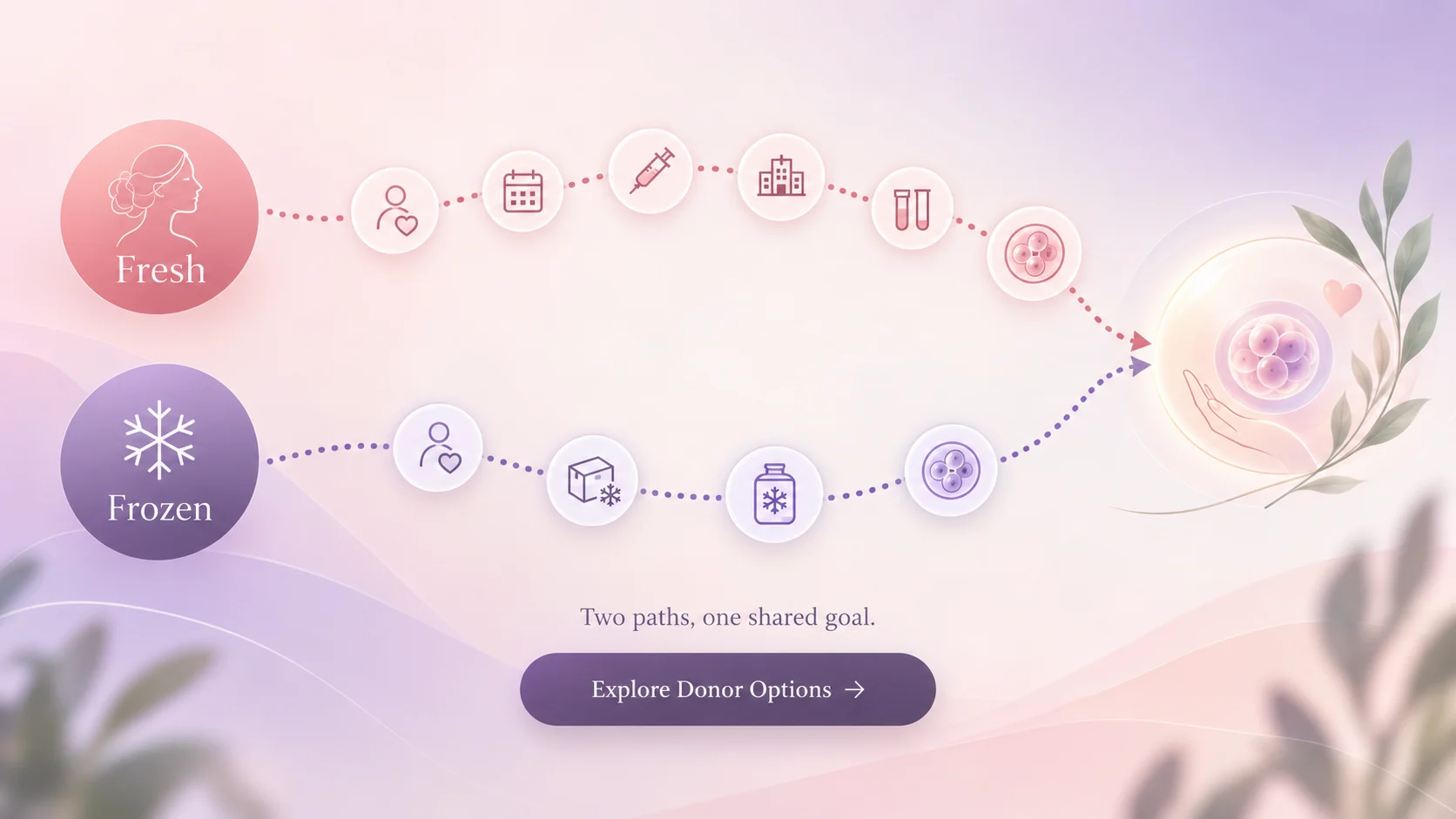
When choosing donor eggs, the decision between frozen and fresh eggs significantly impacts success rates. Both options can lead to healthy pregnancies, but frozen eggs are often favored due to their reliability and convenience.
Fresh egg donation requires precise synchronization between the donor and recipient, which can increase stress and cause delays. While fresh eggs are retrieved and fertilized immediately, their success depends heavily on timing and coordination.
Frozen eggs, on the other hand, eliminate the need for synchronization. Advances in freezing methods, such as vitrification, ensure excellent egg quality and viability. Studies show that frozen egg donors now offer comparable or even better success rates while providing greater flexibility for intended parents.
Advantages of Frozen Donor Eggs
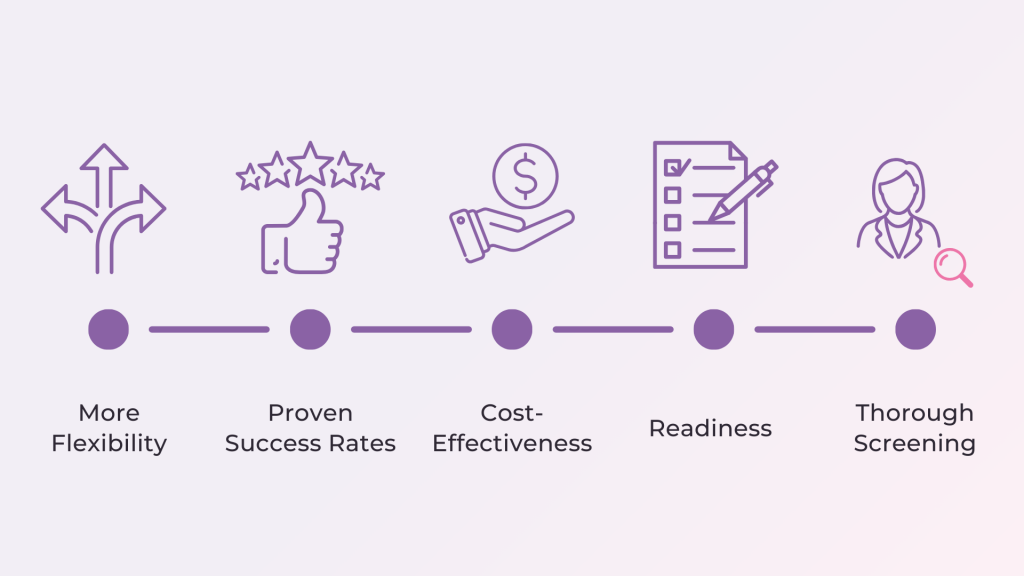
Choosing frozen egg donors comes with several benefits that improve the overall experience and outcomes for intended parents:
- More Flexibility: You can schedule the cycle when it works for you. This makes the process easier.
- Proven Success Rates: Modern freezing techniques preserve the integrity of the eggs, resulting in high donor egg IVF success rates.
- Cost-Effectiveness: Frozen eggs usually cost less than fresh cycles. They don’t need real-time syncing or extra retrievals.
- Readiness: Frozen eggs are ready to use right away. This cuts down wait times and helps intended parents move forward quickly.
- Thorough Screening: Eggs in frozen egg banks typically come from donors who have already passed extensive screening processes, ensuring high-quality options.
The Role of a Reputable Egg Bank in Success Rates
The quality of an egg bank plays a major role in achieving high donor egg success rates. A trusted egg bank makes sure all donor eggs meet strict standards. This includes everything from initial screening to advanced egg retrieval methods. These steps contribute to the quality and viability of the donated eggs, which directly impacts the likelihood of a successful pregnancy.
By partnering with an established egg donation agency or egg bank, intended parents can benefit from access to well-screened donors and modern technology. Choosing the right egg bank is a necessary step in improving egg donation success rates and achieving a positive outcome.
What to Consider When Choosing an Egg Donation Clinic
When choosing an egg donation clinic, five factors matter most: ASRM accreditation, transparent success rate reporting, rigorous donor screening, guarantee programs, and responsive patient support.
Clinics and egg banks that meet all five criteria give intended parents the best combination of safety, accountability, and peace of mind.
ASRM Accreditation and Compliance
Choose a clinic and egg bank that follows ASRM (American Society for Reproductive Medicine) guidelines. ASRM sets the clinical and ethical standards for egg donation in the US, covering donor screening requirements, maximum donation cycles, and lab protocols. Compliance is a baseline quality signal.
Transparent Success Rate Reporting
Ask any clinic how they calculate success rates. Reputable programs report outcomes per thaw cycle — not per patient — so you can compare accurately. Request these specific metrics: egg survival rate post-thaw, ICSI fertilisation rate, blastocyst formation rate, clinical pregnancy rate, and live birth rate.
Donor Screening Standards
The quality of donated eggs depends directly on how thoroughly donors are screened. A strong program covers medical history, genetic carrier testing, psychological evaluation, infectious disease testing, and physical health. Ask specifically whether the egg bank uses FDA-required screening protocols and whether full genetic reports are available before you commit.
Guarantee Programs
Some egg banks offer blastocyst, PGT-A, or live birth guarantees that provide financial protection if a cycle doesn’t reach the expected milestone. These programs signal confidence in egg quality. Always review the terms carefully: what triggers the guarantee, what is provided as a replacement or refund, and what conditions apply.
Communication and Patient Support
The fertility journey is emotionally and logistically demanding. Choose a clinic or egg bank that assigns a dedicated coordinator, responds promptly to questions, and provides clear guidance at each stage. Shipping coordination, clinic compatibility, and cycle timing all require seamless communication between your egg bank and your fertility team.
Questions to ask before choosing an egg donation clinic:
Reporting
How do you calculate and report your success rates?
Vetting
What genetic and medical screening do all donors undergo?
Financials
Do you offer guarantee programs, and what are the exact terms?
Network
Which fertility clinics and labs do you partner with? Is my clinic on the list?
Support
Who will be my primary contact throughout the process?
Ethics
Are your protocols compliant with ASRM guidelines?
What to Consider When Choosing an Egg Bank?
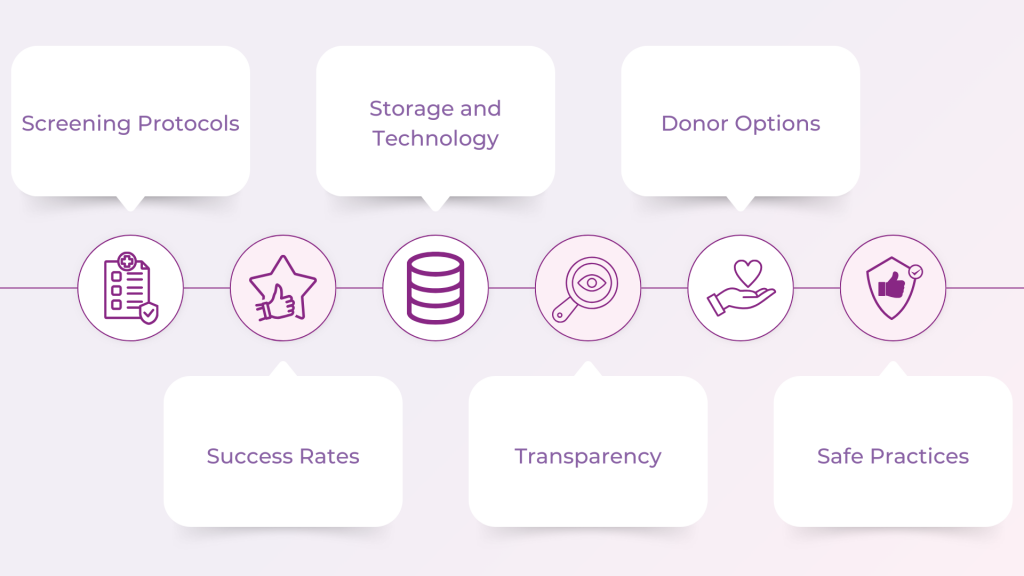
Selecting the right egg bank requires careful evaluation for the best chance of success. Here are the key factors to consider:
Screening Protocols
When selecting an egg bank, it’s important to prioritize those that implement thorough screening protocols. These protocols should include detailed family medical history reviews, genetic screening, and complete physical exams for all donors[cite: 398].
Success Rates
Before making a decision, always ask for data on the donor egg IVF success rate specific to the egg bank you’re considering. Success rates differ by center, so it’s important to check how well their donor eggs did in past cycles.
Storage and Technology
The technology used to store frozen egg donors plays a significant role in maintaining egg viability. Advanced freezing methods, such as vitrification, have revolutionized the preservation of eggs.
Transparency
A good egg bank should share clear details about its entire process. This includes information on costs, terms, and any guarantees they may offer. Transparency helps build trust, allowing intended parents to feel secure.
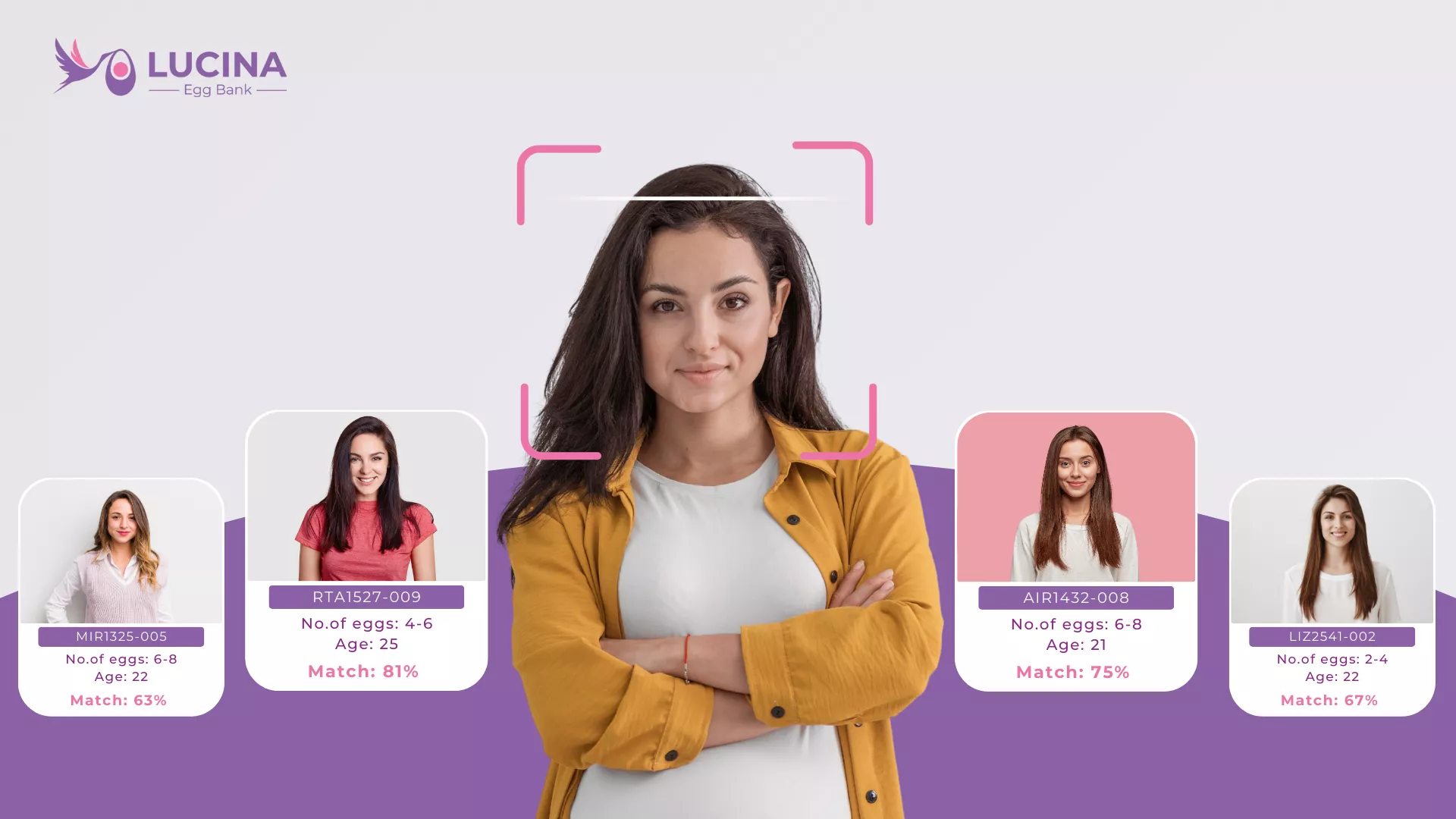
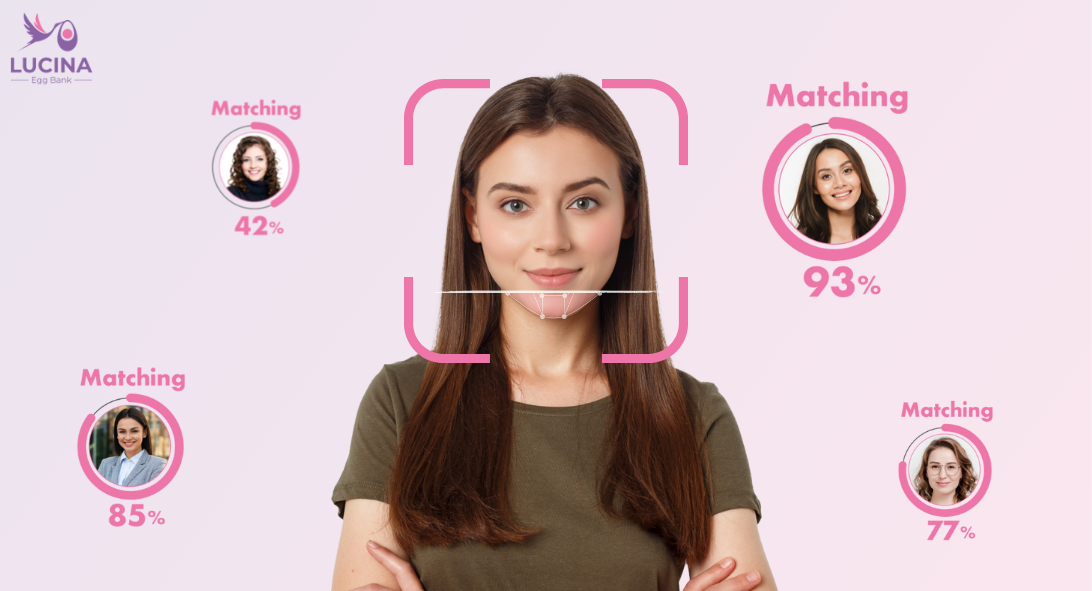
Donor Options
Intended parents need many donor options to find a match that fits their values. A diverse selection of traits and backgrounds helps intended parents find the right donor. This variety helps their confidence in selection.
Safe Practices
Selecting a bank that adheres to strict safety protocols is essential. The American Society for Reproductive Medicine (ASRM) sets complete guidelines for banks to follow, including rigorous donor screening.
Guarantee Programs
Many reputable egg banks offer guarantee programs to reassure intended parents. These programs often promise a certain number of healthy eggs, a successful transfer, or pregnancy outcomes. Choose an egg bank with guarantees that align with your goals and give you confidence.
Questions to Ask Your Egg Bank
Before choosing an egg bank, it’s good to ask questions to help you understand their process better and confirm their credibility. Consider these important questions:
Performance
What are your success rates with frozen egg donors?
Quality Control
What is included in the donor’s screening process?
Protection
Do you offer guarantee programs, and what do they cover?
Vitrification
How are the donated eggs stored and maintained?
Guidance
What support or guidance do you provide for intended parents?
Donor Egg Success Stories: Real Families, Real Outcomes
Behind every statistic is a family. These stories from Lucina Egg Bank intended parents show what’s possible with donor egg IVF — including for those who had already experienced multiple failed cycles.
“After 8 failed cycles, one transfer was all it took.”
One intended parent came to Lucina after eight unsuccessful IVF cycles using her own eggs. After selecting a donor, the process moved quickly — no cycle synchronisation delays, no waiting. “We completed the cycle and got 3 solid embryos from her 6 healthy, frozen eggs.” The first transfer resulted in a confirmed pregnancy and a healthy baby girl.
Why it worked:
The switch to frozen donor eggs eliminated the timing complications that had affected previous cycles, and the higher egg quality produced stronger embryos from the start.
“Years of unexplained infertility. Success on the first donor egg transfer.”
A couple spent years trying with their own eggs — through IUI, multiple IVF cycles, and two different clinics — without success. After choosing a Lucina donor, they succeeded on their very first embryo transfer. “The most amazing, wonderful experience. Everything was so smooth.” For families where unexplained infertility or egg quality is the underlying issue, donor egg IVF can succeed where all other approaches have failed.
Why it worked:
A younger, genetically screened donor removed the primary barrier that had made previous cycles unsuccessful.
Read more full stories from donors and intended parents who have worked with Lucina →
Frequently Asked Questions
What Is the Average Success Rate for Donor Egg IVF? +
How Do Frozen Donor Eggs Compare to Fresh Eggs in Terms of Success Rates? +
How Does Age Affect Donor Egg Success Rates? +
What Should I Consider When Choosing an Egg Donation Clinic? +
How Much Does IVF With Donor Eggs Cost? +
Who Is a Good Candidate for Donor Egg IVF? +
Are There Any Donor Egg Success Stories I Can Read? +
Final Thoughts
Using an egg donor offers intended parents an incredible opportunity to achieve their dream of parenthood. Success rates of IVF with donor eggs are very high, even for families who struggled with infertility for years.
To give yourself the best chance, you need to make the right choices: a thoroughly screened donor, a clinic you trust, and an egg bank that stands behind its work.
If you’re ready to explore this option, browse our egg donor profiles today and take the first step toward building your family.

Julianna Nikolic
Chief Strategy Officer Julianna Nikolic leads strategic initiatives, focusing on growth, innovation, and patient-centered solutions in the reproductive sciences sector. With 26+ years of management experience and a strong entrepreneurial background, she brings deep expertise to advancing reproductive healthcare.