
Middle Eastern egg donors are among the most requested profiles at US egg banks. Demand consistently runs ahead of supply, which means finding one through a local fertility clinic or a small donor pool often ends in disappointment.
For many intended parents from Middle Eastern backgrounds, a cultural and genetic match isn’t a preference. It’s the whole point. The connection to heritage, family values, and physical resemblance matters deeply, and a donor who shares that background makes the journey feel more complete.
This guide covers what sets Middle Eastern egg donors apart, how to find one through a large pre-screened pool, and what the process looks like for patients living in countries where donor-egg IVF isn’t available locally.

Why Middle Eastern Egg Donors Are in High Demand
Scarcity drives most of the demand. The Middle Eastern American community has grown steadily, but the number of women from those backgrounds who enter egg donation programs has not kept pace.
Cultural and Genetic Connection
For many families, ethnic background ranks at the top of donor selection criteria. Research confirms it consistently. The motivation isn’t only about physical resemblance. It’s about cultural continuity: passing down traditions, values, and a sense of identity that spans generations.
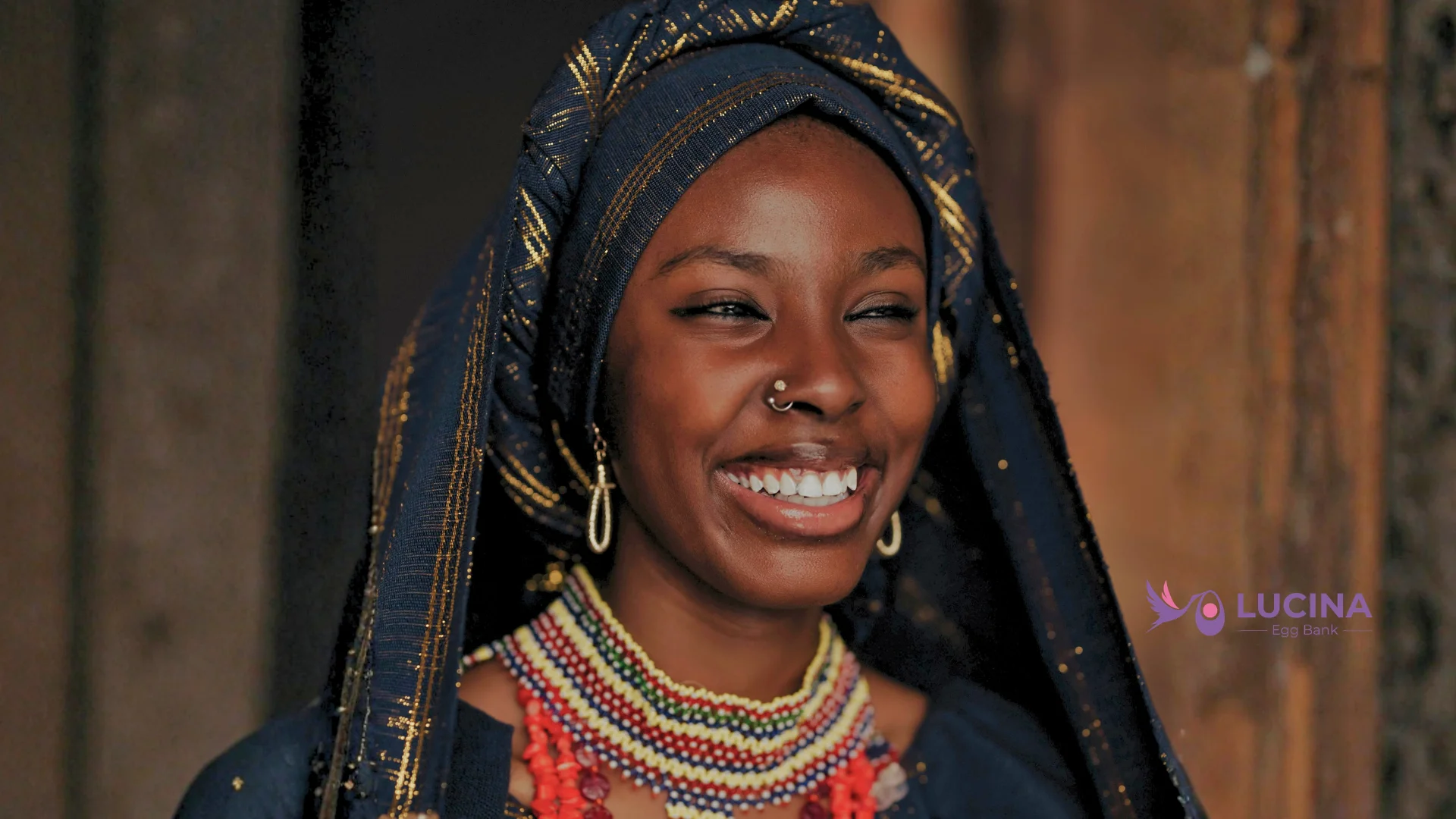
Middle Eastern donors span a wide range of backgrounds, including Lebanese, Syrian, Iranian, Iraqi, Egyptian, Turkish, and others. Each carries a distinct cultural profile, and intended parents often seek a donor whose background closely matches their own, not just someone in the broad category.
Why These Donors Are Hard to Find
Many intended parents searching independently run into the same wall. As one parent described in a Reddit discussion on the topic, the one donor who matched their background “was already taken.” That experience is common, not exceptional.
Most fertility clinics maintain small in-house donor pools, rarely more than a few hundred active profiles. When a specific ethnicity is in high demand and low supply, a smaller pool almost guarantees a dead end. A large, dedicated egg bank with 3,500+ pre-screened profiles significantly changes those odds.
What Sets Middle Eastern Egg Donors Apart
Intended parents choose Middle Eastern donors for a combination of reasons: cultural alignment, physical attributes, and educational background. Here’s what that typically looks like in practice.
Educational Background
Many Middle Eastern donors carry strong academic credentials, reflecting cultural values that place high importance on education. A significant number are university graduates or pursuing advanced degrees, and some intended parents specifically seek donors from competitive programs, including those at top-ranked institutions.
Donors from top-ranked universities qualify for Lucina’s Iconic program. By request, we can match families with Iconic-tier donors whose academic pedigree and profile meet the highest selection criteria.
Physical Attributes
Many intended parents are drawn to characteristics associated with Middle Eastern heritage: olive or warm skin tones, dark hair, almond-shaped eyes, and strong bone structure. These traits can help create visible resemblance between parents and child, which matters to many families.
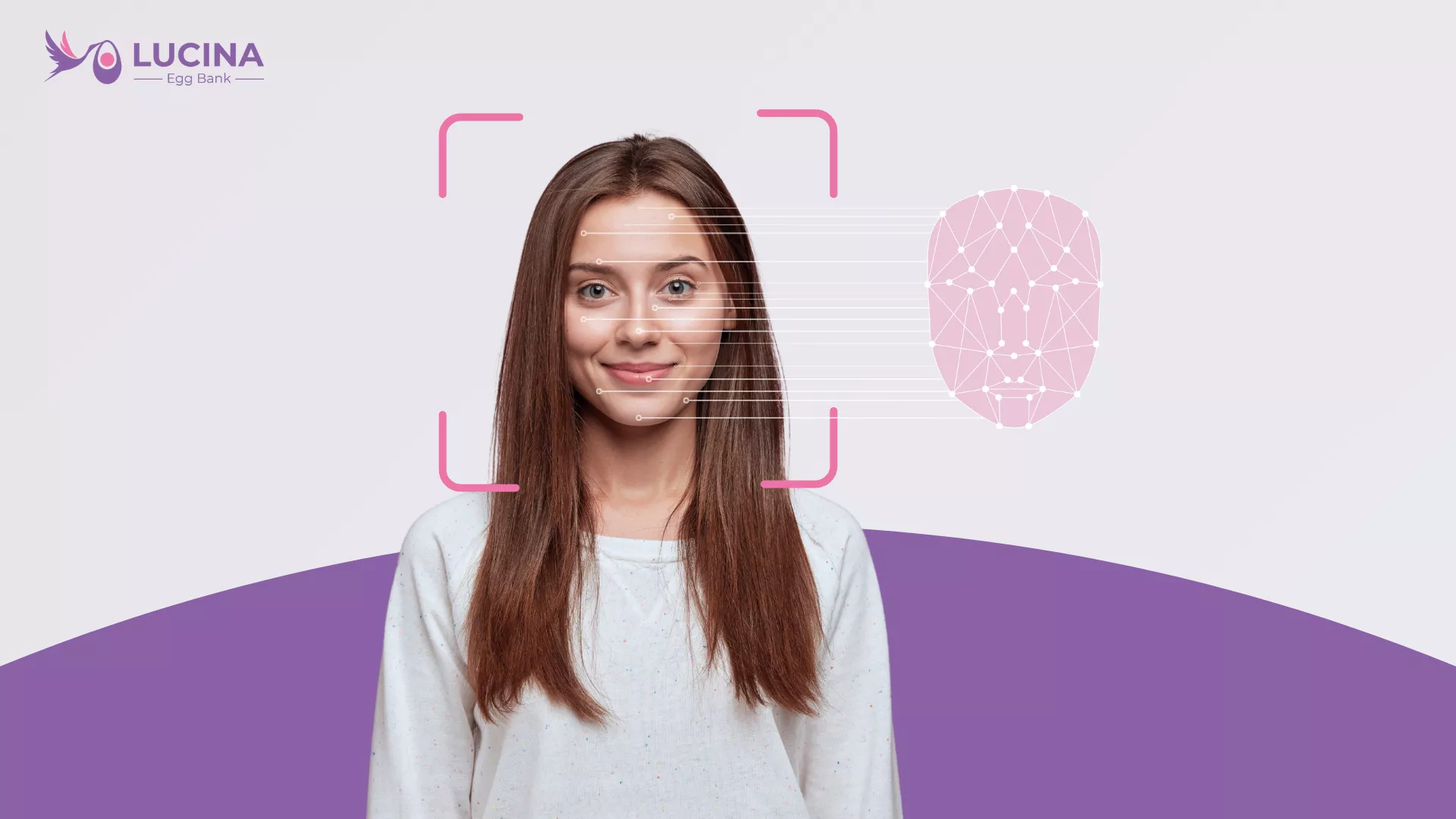
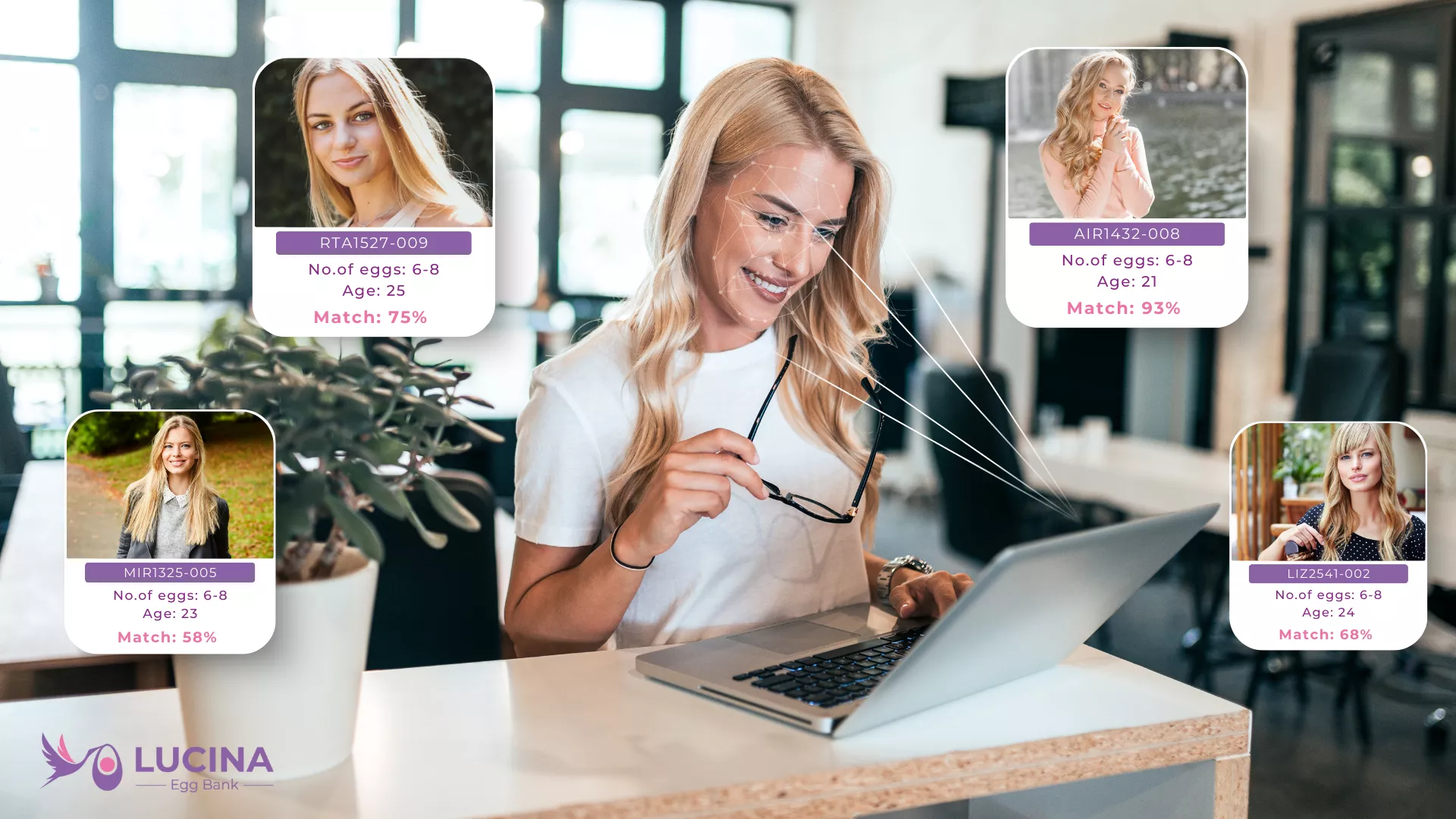
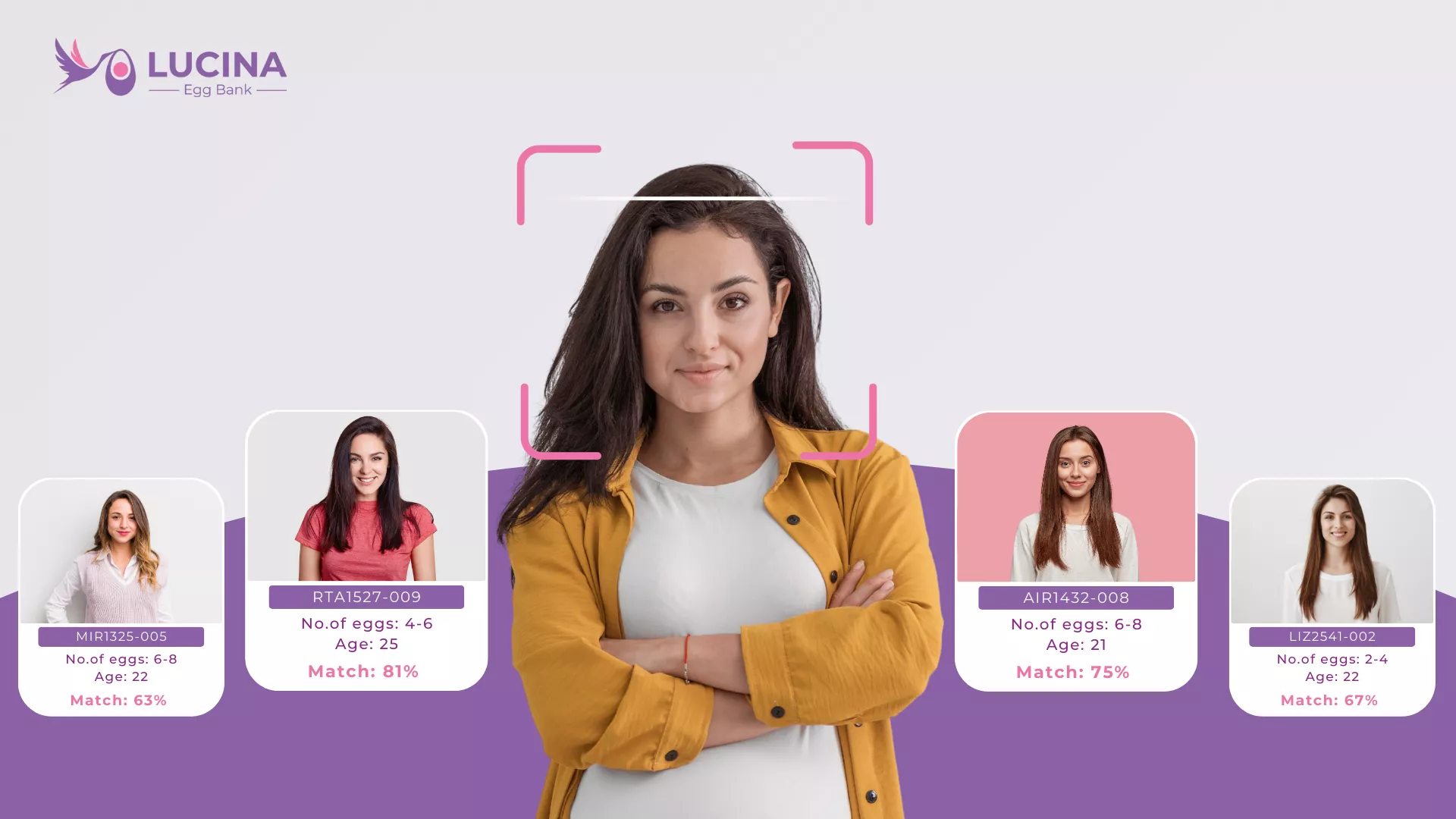
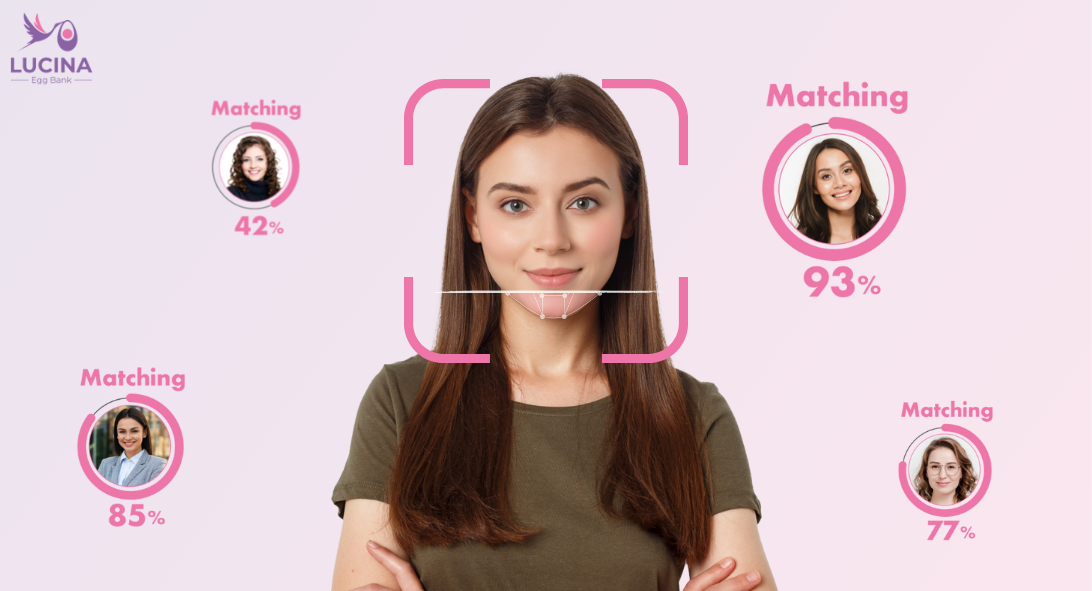
Physical resemblance is one of the most common reasons parents use Lucina’s ReflEggction AI tool. It identifies donors with similar facial features to the intended mother across the full gallery, cutting search time by up to 70%.
Family Values and Motivation
Many Middle Eastern donors cite family as a primary reason for donating. They understand, often from personal experience, how central family is to life in their culture, and that perspective shapes how seriously they approach the process.
What If I Live in the Middle East?
Donor-egg IVF is not available locally in most Middle Eastern countries. Families in the UAE, Saudi Arabia, Qatar, Egypt, and similar countries who want to pursue egg donation generally need to receive treatment abroad.
Legal Restrictions by Country
The restrictions vary by country, but the pattern is consistent across much of the region.
- UAE (including Dubai). Donor eggs and donor sperm are restricted under the UAE’s assisted reproduction framework, which limits treatment to the married couple’s own gametes. Egg donation is not a legal treatment path within the country.
- Saudi Arabia. The Ministry of Health’s IVF unit law bans third-party involvement including donor eggs, framing treatment around the couple’s own reproductive material.
- Egypt. IVF is permitted, but peer-reviewed work on ART in Egypt notes that “donor technologies are banned.”
- Qatar and other Sunni-majority settings. Third-party donation is not accepted within local frameworks in many Sunni contexts, and patients often seek care outside the country. This is why many regional patients pursue donor-egg IVF abroad.
How International Patients Access Donor Eggs Legally
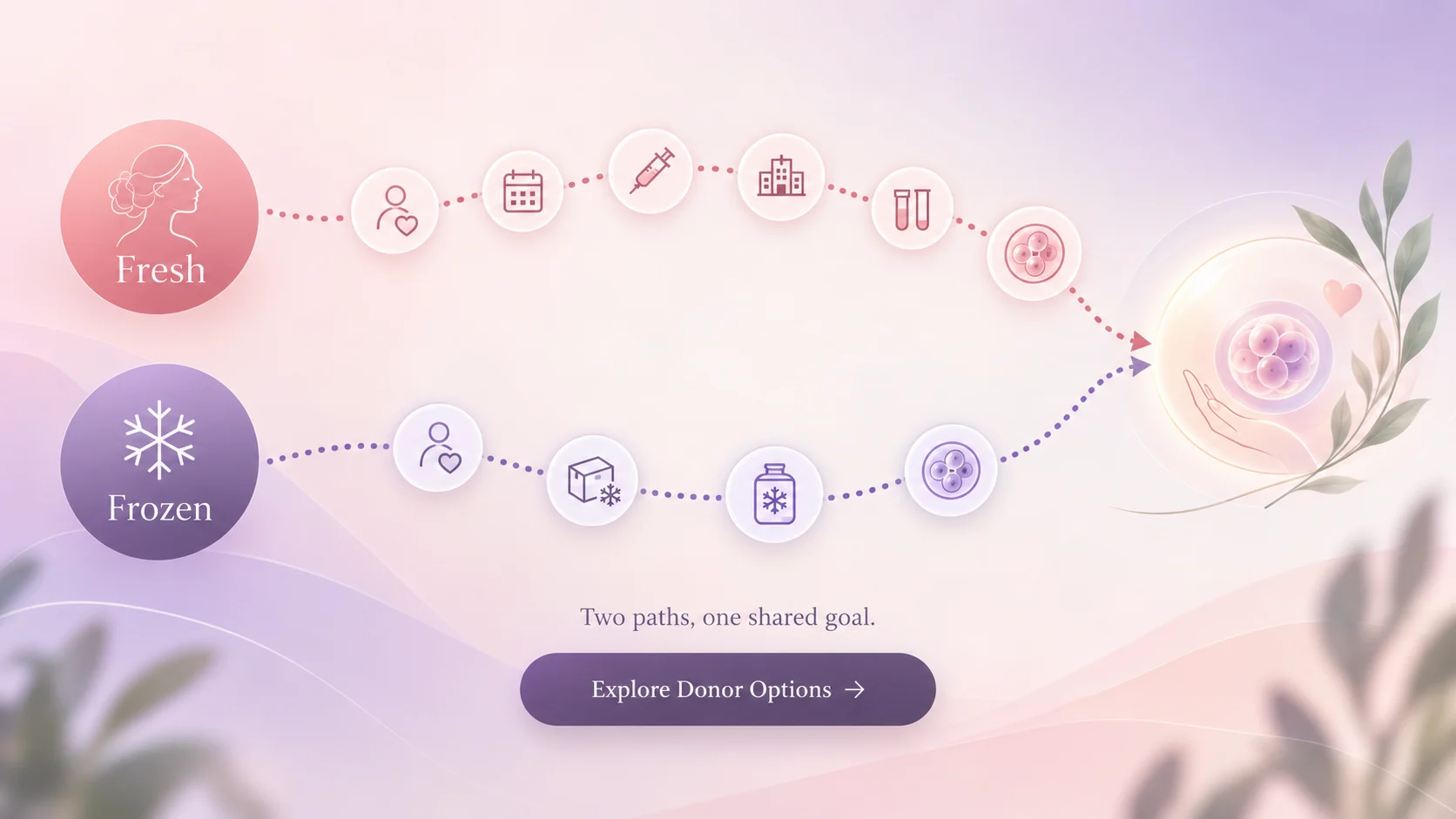
Patients from these countries typically work with a US egg bank and a US or European fertility clinic where donor-egg IVF is fully permitted. The benefits include access to a large, ethnically diverse donor pool, FDA-screened eggs, an established legal framework, and the option to receive most monitoring close to home before traveling only for the embryo transfer.
Lucina ships frozen donor eggs directly to fertility clinics worldwide via secure cryogenic transport. International patients can browse the full gallery, select a donor, and coordinate shipment to a partner clinic in a country where their treatment is legal, including clinics in the US, UK, Europe, and beyond.
Step-by-Step: The Process for International Patients
Select a licensed clinic in the US, UK, or another country where donor-egg IVF is permitted. Your clinic will coordinate with Lucina for egg shipment and your treatment protocol.
Access Lucina’s full gallery at no upfront cost. Filter by ethnicity, physical traits, and education. Use ReflEggction AI for facial-similarity matching.
Lucina ships frozen eggs directly to your clinic via secure cryogenic transport. Most cohorts are ready to ship within a week of selection.
Most of your preparation cycle, including blood tests and ultrasound monitoring, can be done near home. Travel is typically required only for the embryo transfer itself.
Travel to your clinic for the transfer, which typically requires a stay of 4-7 days. Remaining embryos are frozen and stored for future cycles if needed.
A blood test 10-14 days after transfer confirms implantation. Ongoing prenatal care continues with your local OB or the clinic’s preferred provider network.
How Lucina Screens Middle Eastern Donors
Every donor in Lucina’s pool, regardless of background, goes through the same rigorous screening process before her profile is listed. It’s the same standard whether a donor is Lebanese, Iranian, Egyptian, or any other heritage.
What the Screening Covers
- Medical history review. A thorough evaluation of personal and family medical history to identify hereditary conditions.
- Genetic testing. Carrier screening for hereditary diseases and genetic disorders per FDA requirements and ASRM guidelines.
- Psychological evaluation. Assessment to confirm the donor understands the process and is emotionally prepared.
- Physical exam and ovarian reserve testing. Confirms egg quality and reproductive health before any donor is approved.
Lucina’s 2022 outcomes show a 92.2% frozen egg survival rate after thaw, compared to a 63.5% industry average. The ICSI fertilization rate was 89.1%, and the clinical pregnancy rate reached 61.5%, versus 47.6% industry-wide. All donors are ages 19-31, the range associated with optimal egg quality per ASRM guidelines.
What We Don’t Claim
Lucina does not claim outcomes specific to Middle Eastern donors. These screening standards and outcome figures apply across the full donor pool. Your fertility clinic will help you assess the data most relevant to your specific situation.
How to Find a Middle Eastern Egg Donor at Lucina
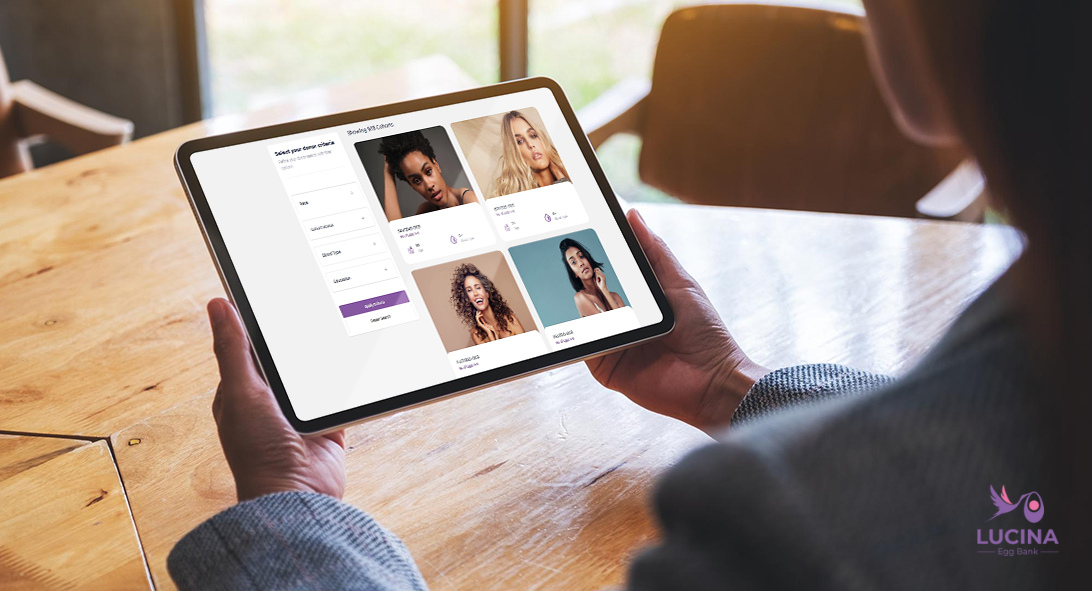
Browsing the gallery costs nothing. Create a free account, filter by Middle Eastern ethnicity, and you’ll see pre-screened profiles with photos, health history, educational background, and detailed personal information. There’s no commitment until you’re ready to proceed.
Filtering and Search
The gallery supports filtering by ethnicity, physical characteristics, education level, and other criteria. You can narrow the pool quickly to profiles that match your priorities, then review detailed information for each donor before making any decisions.
ReflEggction AI Matching
For intended parents who want a donor who looks like them, the ReflEggction AI tool uses facial recognition to identify donors with similar features across the full gallery. It’s the first AI-powered donor matching tool in the US, and it reduces search time by up to 70%. If resemblance is a priority, it’s the fastest way to find real contenders.
Financial Protection
Lucina Egg Bank offers three guarantee programs that provide financial protection from embryo development through the Blastocyst Guarantee, PGT-A Guarantee, and Pregnancy Guarantee. The Pregnancy Guarantee covers up to six cohorts and includes complimentary cohorts if qualifying milestones aren’t reached. These programs are financial protection, not live birth guarantees and specific conditions apply.
For families who need to spread payments over time, financing is available through Lucina’s partners, including CapexMD and PatientFi.
Browse Middle Eastern Donor Profiles at Lucina
Pre-screened Middle Eastern donors across Lebanese, Iranian, Egyptian, and other backgrounds. Browse the full gallery for free, then use ReflEggction AI to match by facial features.
3,500+ screened donor profiles · 92.2% frozen egg survival rate (2022) · Global shipping in 1 week
$0 to browse the gallery. Triple Guarantee programs available. ReflEggction AI matches donors by facial recognition.
Frequently Asked Questions
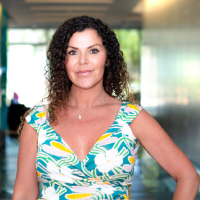
Julianna Nikolic
Chief Strategy Officer Julianna Nikolic leads strategic initiatives, focusing on growth, innovation, and patient-centered solutions in the reproductive sciences sector. With 26+ years of management experience and a strong entrepreneurial background, she brings deep expertise to advancing reproductive healthcare.