Flash Sale: Select donors with special pricing & blastocyst guarantees. Flash Sale: Select donors with special pricing. View Eligible Donors

Will My Donor Egg Baby Look Like Me? Understanding Genetics and Resemblance

my donor egg baby looks like me

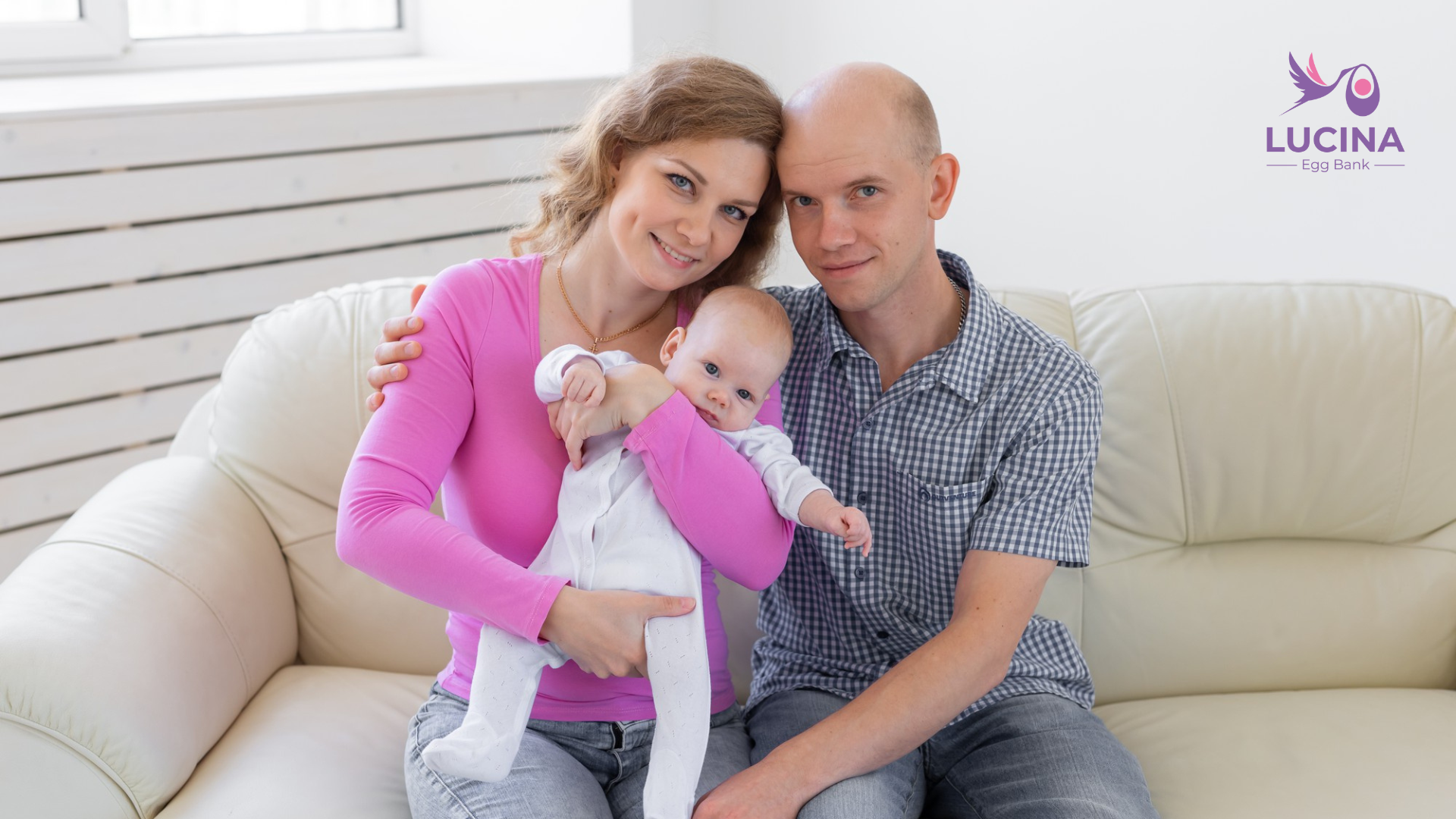
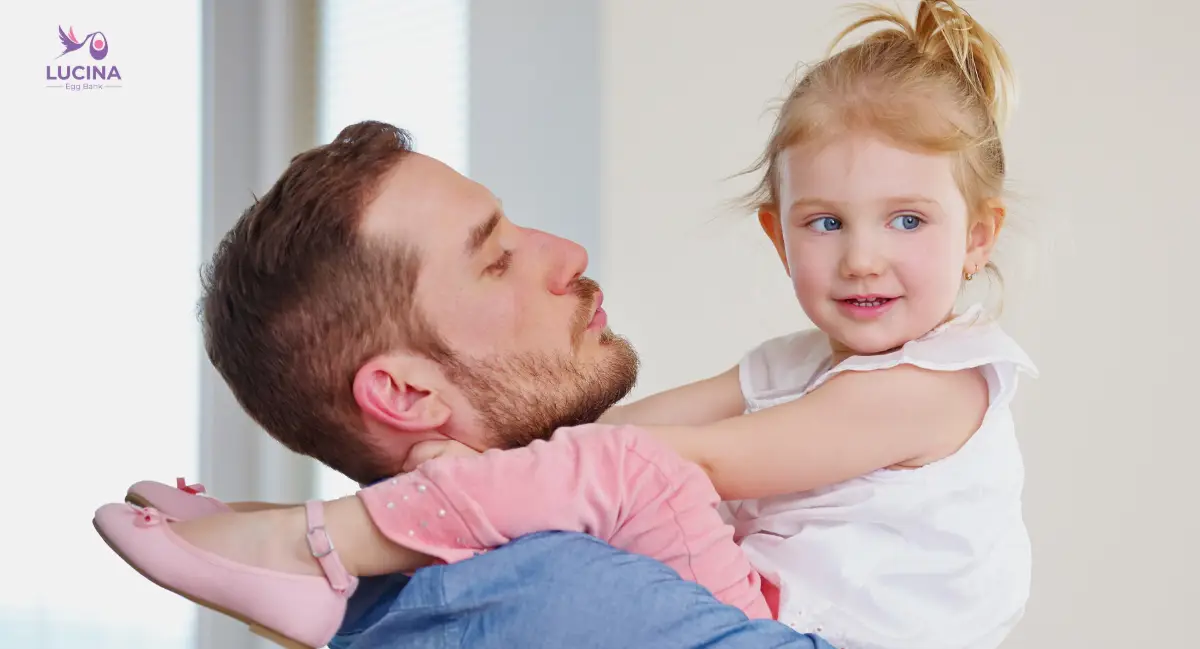
“Will my donor egg baby look like me?” is one of the first questions intended parents ask, and one of the last to fully leave them. The fear isn’t about vanity. It’s about holding your child and feeling recognition, not distance. It’s about belonging, and about whether the baby you carry will feel genuinely yours.

Physical resemblance in any family depends on more than which DNA started an embryo. How genes express themselves, the donor you choose, and the biology of the pregnancy itself all shape what your donor egg baby looks like. At Lucina Egg Bank, our ReflEggction® AI was built specifically to narrow the distance between a donor’s genetics and your face.

Key Takeaways
Donor egg babies often do resemble their birth parents. The overlap comes through donor selection, epigenetics during pregnancy, and behavioral mirroring built over years of parenting.
The donor’s DNA provides the genetic blueprint. Carrying the pregnancy influences which genes get expressed, giving the birth mother real biological influence beyond the chromosome count.
Selecting a donor with similar features gives resemblance the best possible starting point, but genetic inheritance is unpredictable even in fully biological families.
Children naturally absorb the facial expressions, speech patterns, and body language of the people raising them. This is documented in both adoptive and donor-conceived families.
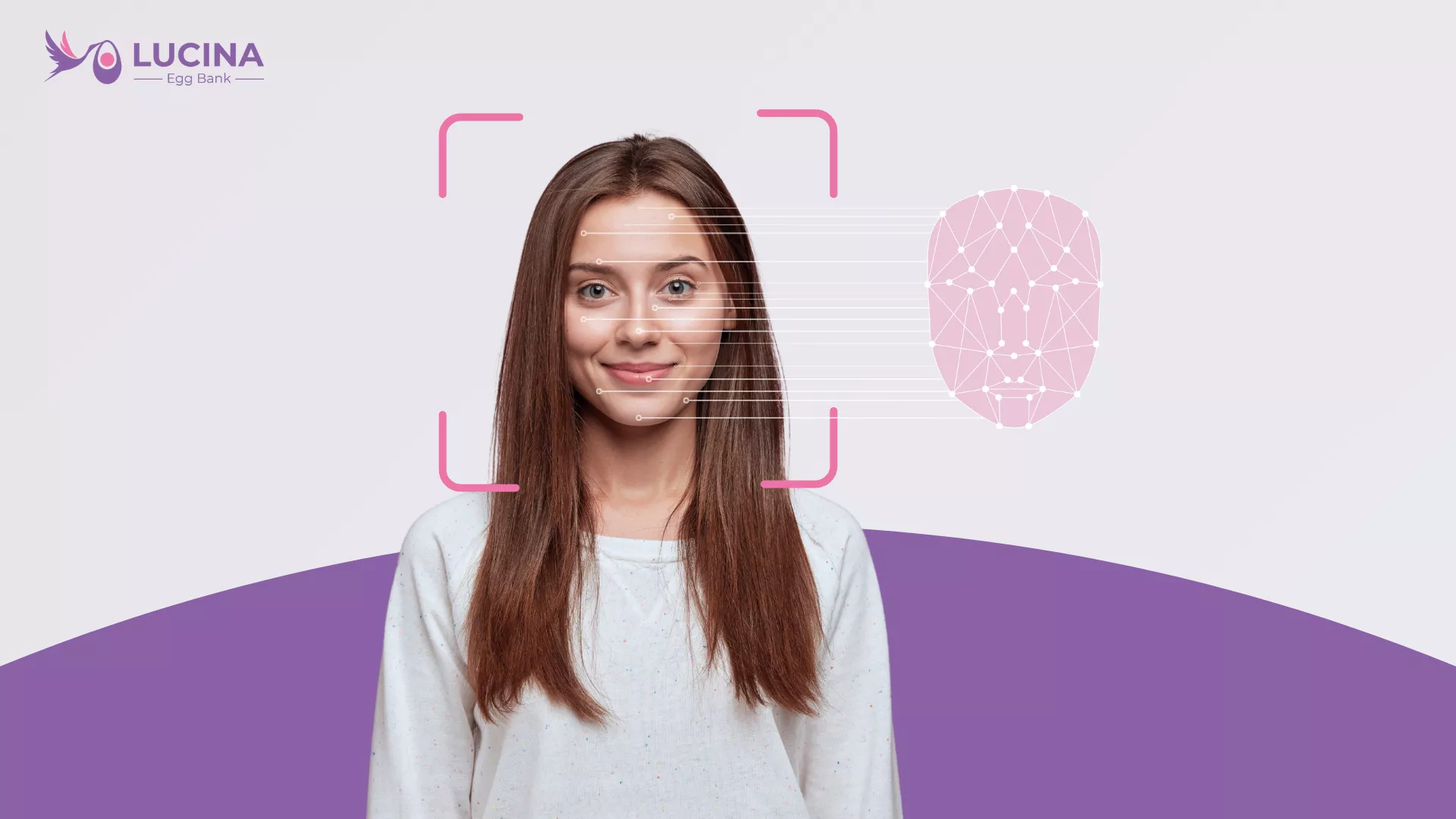
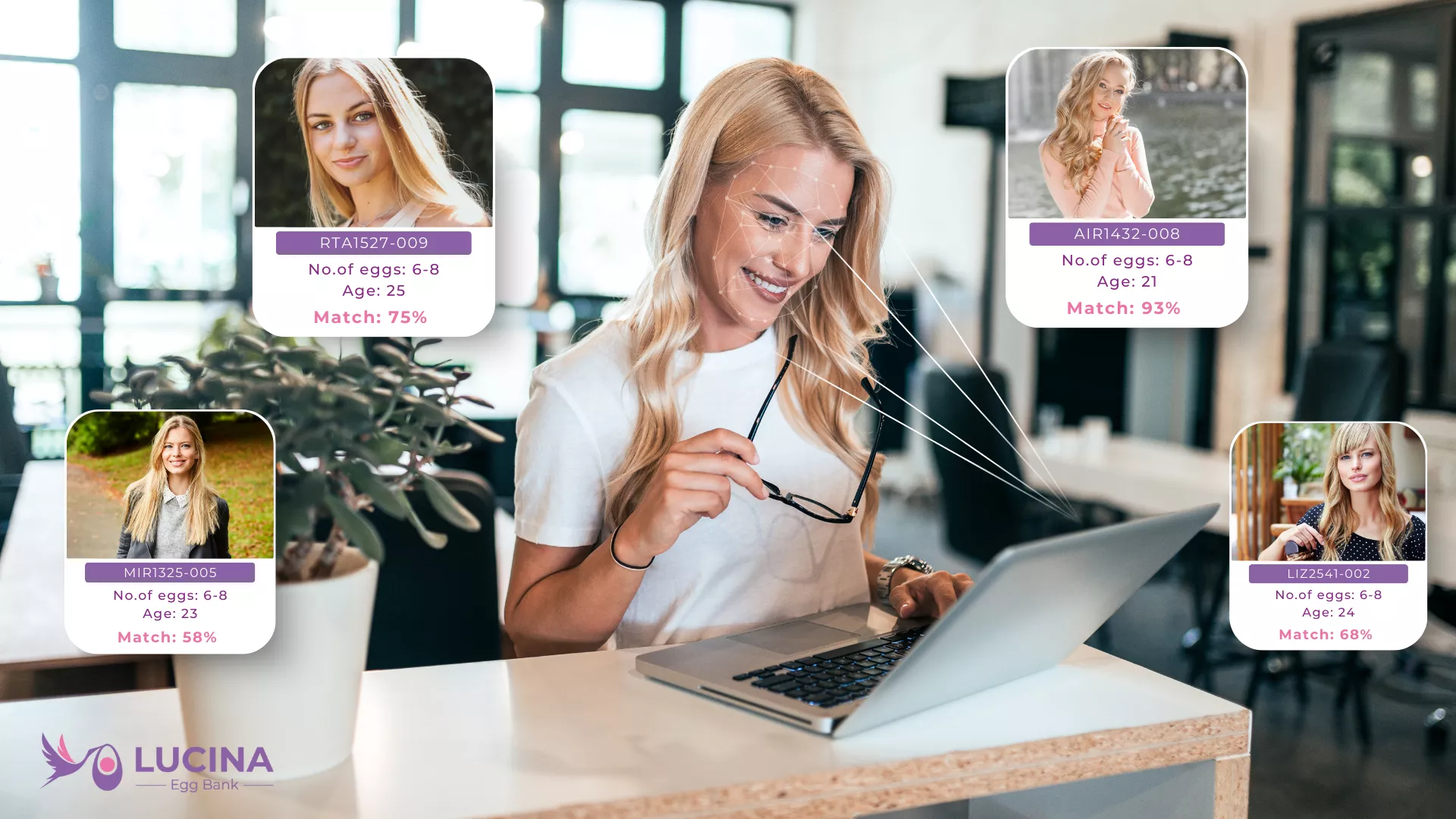
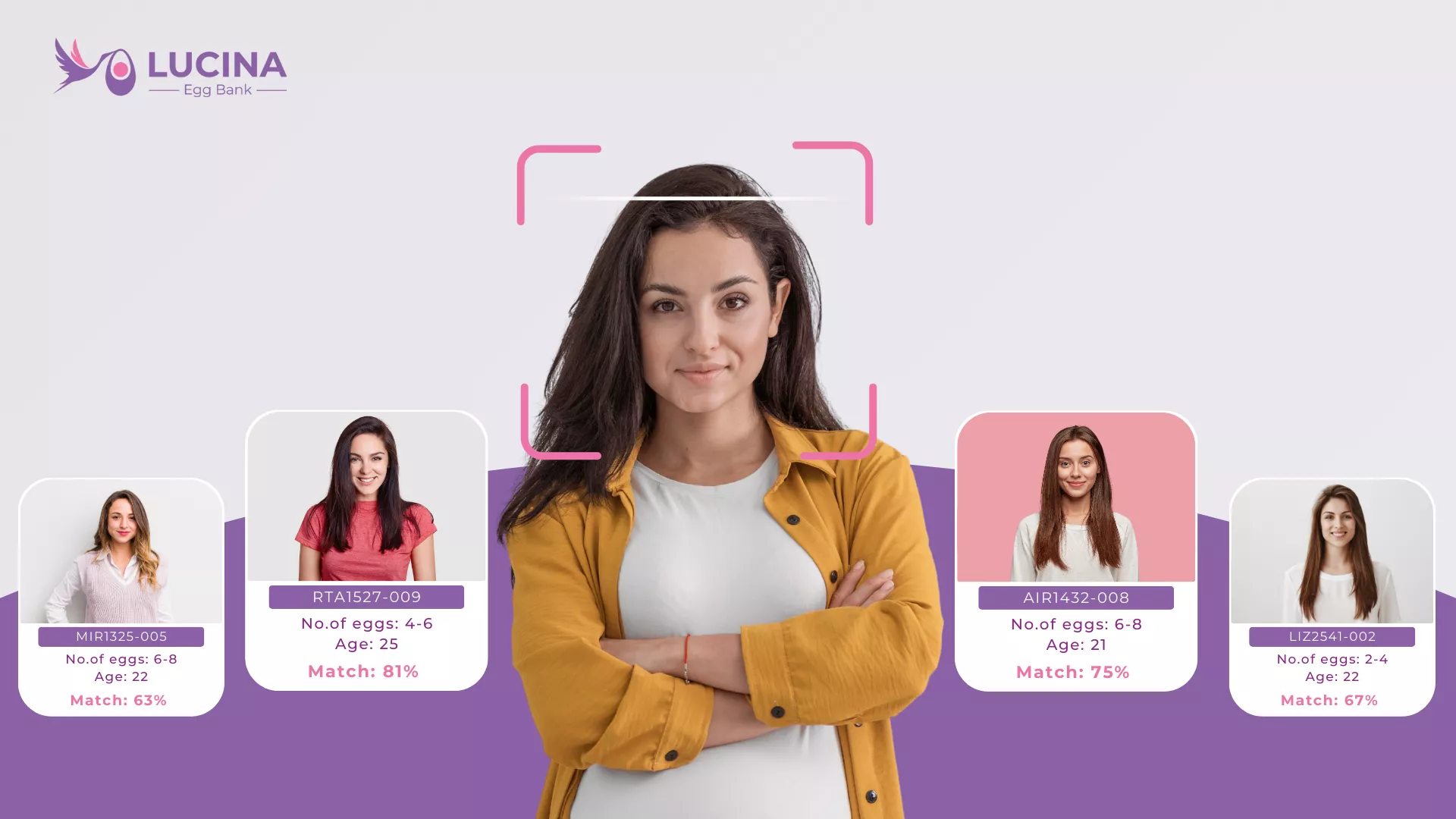
Lucina’s ReflEggction® AI uses facial recognition to match you with donors who share your features from 3,500+ screened profiles, reducing donor search time by up to 70%.

Do Donor Egg Babies Look Like Their Parents?

Many do. The answer isn’t a guarantee, but it’s far more likely than the DNA math alone suggests.

Quick Answer

Yes, donor egg babies often look like the parents who carry and raise them. Physical resemblance is shaped by donor selection, epigenetics during pregnancy, and the behavioral mirroring children develop over time. DNA is one input, not the only one. ASRM’s third-party reproduction guidelines acknowledge the interplay of genetic and gestational factors in donor egg families.

Even within biological families, children born to the same parents can look entirely different from each other. One sibling inherits a grandmother’s cheekbones. Another has a completely different build. Physical appearance results from hundreds of genetic variants interacting in ways no one can fully predict. Sharing DNA doesn’t guarantee resemblance. Not sharing it doesn’t prevent it.

For intended parents using donor eggs, this works in your favor. Selecting a donor with similar coloring, facial structure, and ethnic background creates a meaningful genetic foundation. The epigenetic influence of pregnancy and the behavioral mirroring of parenting then build on that foundation in ways that can produce genuine resemblance over time.

Reports from donor egg families, across fertility communities and published accounts, consistently show that many parents are surprised by how much their child looks like them. Some attribute it to careful donor selection. Others describe resemblance that appeared gradually as their child absorbed their expressions, posture, and way of moving through the world.

Does a Donor Egg Baby Have the Mother’s DNA?

The chromosomal DNA (the 46-chromosome genetic blueprint) comes from the egg donor and the sperm provider. The birth mother does not contribute chromosomal genetic material in a donor egg pregnancy. That’s the accurate answer to “do donor eggs have the mother’s DNA.”

But DNA contribution and biological influence are not the same thing. Carrying the pregnancy shapes which genes get expressed through epigenetics. The uterine environment (nutrition, hormones, immune response, stress levels) influences how the donor’s genetic material develops from the earliest stages.

Two embryos with identical genetics can develop differently depending on where and how they grow. Your pregnancy is part of that equation.

Carrying the pregnancy is not a passive role. Research on epigenetics in assisted reproduction shows the gestational environment has measurable influence on how genetic material develops. The role of epigenetics in donor egg pregnancies is an active area of ongoing study.

The ASRM Practice Committee documents cover epigenetics in assisted reproduction for families who want the clinical detail.

Note

Blood type is genetically determined by the egg donor and the sperm provider, not the birth mother. Your donor egg baby may or may not share your blood type. Lucina’s donor profiles include blood type information for families where this matters. The broader question of donor egg child biology covers the genetic, legal, and gestational dimensions in full.

What Shapes Whether Your Donor Egg Baby Looks Like You

Three factors contribute to resemblance in donor egg families. All three are real. Only one is fully in your control before the pregnancy starts.

Factor 1
Donor Selection

The most controllable variable. Bone structure, skin tone, eye shape, hair texture, and height all have a genetic basis. Lucina screens donors to the top 10% of applicants across appearance, education, and talent within each ethnic category, giving your selection the most curated foundation possible.

Factor 2
Epigenetic Programming

The uterine environment influences which genes become active. Prenatal nutrition, hormones, and physical conditions of the pregnancy all have documented effects on fetal development. The genetics themselves don’t change, but how they express can. Carrying the pregnancy is a biological contribution, not a passive one.

Factor 3
Behavioral Mirroring

Children absorb the faces they grow up seeing. Facial expressions, speech patterns, and body language transfer through proximity and years of close contact, not genetics. Research on non-biological families consistently finds resemblance developing between parents and children over time. The effect accumulates gradually, not from birth.

For a detailed breakdown of which physical traits carry the strongest genetic heritability, our guide to genetic matching in egg donation covers what to prioritize when reviewing donor profiles.

How to Find a Donor Who Looks Like You: ReflEggction® AI

By the Numbers Lucina’s ReflEggction® AI reduces donor search time by up to 70%. It’s the only AI-powered facial recognition matching tool available to intended parents in the United States.

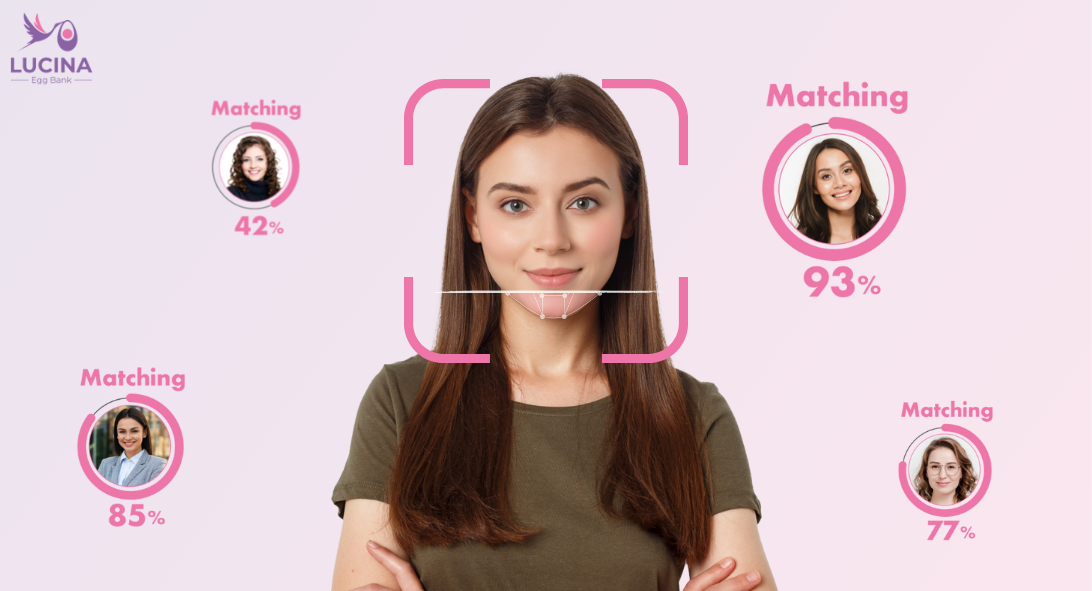
The practical question for most intended parents isn’t whether resemblance is possible. The question is how to find a donor who gives it the best chance. ReflEggction® AI was built for that specific problem. It’s the first AI-powered facial recognition donor matching tool in the United States, available exclusively through Lucina Egg Bank.

ReflEggction analyzes facial structure and phenotypic features, then identifies donors from our pool of 3,500+ screened profiles who share those features with you. Instead of manually sorting through profiles filtered only by hair and eye color, you start with the donors who already look most like you.

Search time drops by up to 70%. You can start using ReflEggction AI matching immediately when you access the gallery. Browse the full gallery for free with no upfront cost. There’s no commitment required to look.

Tip

When reviewing donor profiles for resemblance, bone structure and facial proportions tend to correlate more strongly with perceived similarity than hair or eye color alone. Features that stay consistent across decades (jaw shape, brow structure, facial width) carry more weight than traits that change with age or styling.

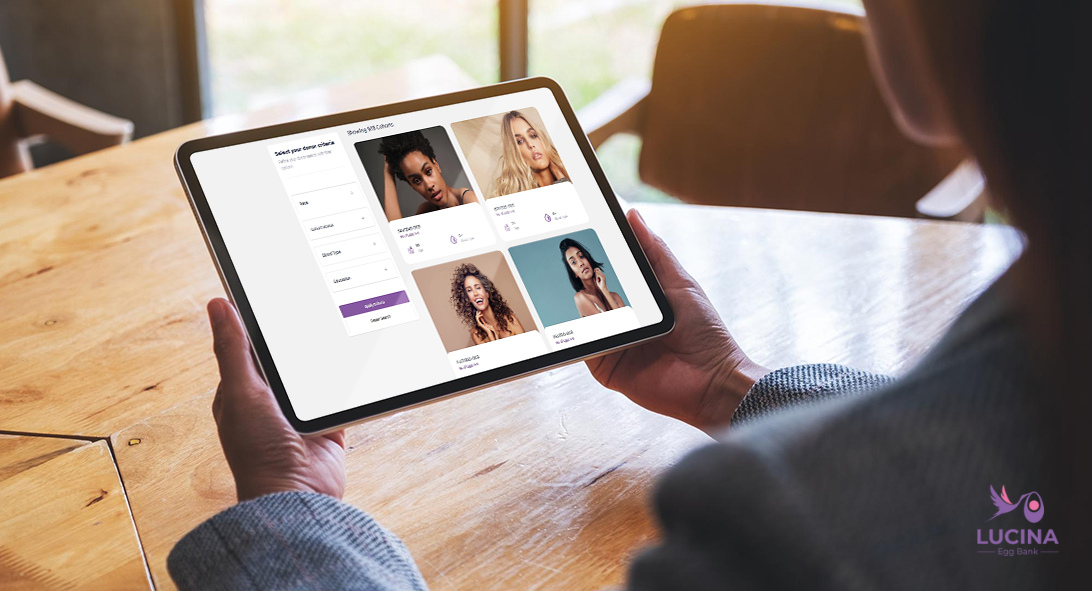
Beyond facial recognition, Lucina’s donor profiles include eye color, hair texture, height, skin tone, ethnic background, and academic credentials. You can filter by the traits that matter most to your family, and the AI narrows the pool before you open a single profile.

For families where academic achievement matters alongside appearance, the Iconic program offers access to donors from top-ranked U.S. universities. Iconic donors are available by private request and do not appear in the public gallery. When selecting a donor involves multiple criteria, our team guides you through both ReflEggction matches and any additional filters.

What Donor Egg Parents Actually Report

The accounts in donor egg communities (Reddit threads, fertility forums, private Facebook groups) follow a consistent pattern. Many parents report their donor egg baby looks remarkably like them. Some expected the question of resemblance to weigh on them indefinitely. Most say it faded much faster than they anticipated once the baby arrived.

Careful donor selection, epigenetic influences from pregnancy, and behavioral mirroring over years of close contact all contribute to this. Physical resemblance is not a fixed outcome determined at fertilization. It’s a process that continues through childhood.

Some families find their donor egg baby doesn’t look much like them, and that’s a real outcome worth preparing for. Resemblance matters so much before the baby arrives because connection feels tied to it. Most parents discover that the tie loosens quickly once parenting starts.

Regret using donor eggs is a fear many parents carry into treatment. The emotional arc changes significantly once the baby arrives. The accounts from parents who felt uncertain before birth are worth reading if this concern is weighing heavily.

Note

If the question of resemblance is carrying more emotional weight than expected, speaking with a donor egg counselor or connecting with others through RESOLVE’s peer support network can help. This concern is very common. For most parents, it resolves faster than anticipated once the pregnancy is underway.

What the Right Donor Selection Actually Changes

Resemblance is not guaranteed in biological families or donor egg families. But the variables you can influence are real, and the most significant one is the donor you choose. Selecting for physical similarity does change the odds.

At Lucina Egg Bank, the Largest Egg Bank in the USA, we curate our donor pool from the top 10% of applicants across appearance, education, and talent within each ethnic category. Browse 3,500+ profiles for free, matched by the features that actually matter. You can start with ReflEggction AI matching or explore the full donor gallery at no cost.

For most parents, the answer to “will my donor egg baby look like me” ends up being: more than you expected, in ways you didn’t anticipate.

Find Your Donor

Find a Donor Who Looks Like You

ReflEggction® AI analyzes facial structure and matches you with donors from 3,500+ screened profiles who share your features. It’s the only tool of its kind in the U.S., and it’s free to use when you access the gallery.

3,500+ screened donor profiles · 92.2% frozen egg survival rate (2022) · Up to 70% faster donor search

$0 to browse the gallery. Triple Guarantee programs available. ReflEggction AI matches donors by facial recognition.

Try ReflEggction AI →

Donor Egg Baby Resemblance FAQ

Will my donor egg baby have my DNA?

Not chromosomally. The nuclear DNA comes from the egg donor and the sperm provider. However, carrying the pregnancy shapes how that DNA expresses through epigenetics, giving the birth mother real biological influence over the child’s development beyond what the chromosome count shows.

Can a donor egg baby look like the birth mother?

Yes. Resemblance develops through donor selection, epigenetic effects of the pregnancy, and behavioral mirroring over years of parenting. Many parents in donor egg communities report that their child looks like them, sometimes strikingly so. The degree of resemblance varies and is most strongly influenced by how closely the donor’s physical traits match the intended mother’s.

Does my donor egg baby have my blood type?

Blood type is determined by the egg donor’s and sperm provider’s genetics, not the birth mother’s. Your donor egg baby may or may not share your blood type. Lucina’s donor profiles include blood type information, so families who want to match on this can filter accordingly when browsing.

What is epigenetics and how does it affect a donor egg pregnancy?

Epigenetics refers to changes in gene expression that don’t alter the DNA sequence itself. The uterine environment (nutrition, hormones, immune function, and physical conditions of the pregnancy) influences how the donor’s genetic material develops.

Two embryos with identical DNA can develop differently based on their gestational environment. This gives the birth mother genuine biological input into her child’s development.

How does ReflEggction® AI help find a donor who looks like me?

ReflEggction analyzes your facial structure and matches you with donors from Lucina’s pool of 3,500+ screened profiles who share similar features. It’s the only AI-powered facial recognition donor matching tool in the United States, available exclusively through Lucina.

Search time drops by up to 70% compared to manual profile review. You can access it free when you browse the donor gallery.

What if my donor egg baby doesn’t look like me?

It’s a real possibility, and worth being honest about before the pregnancy. Even in biological families, children can look nothing like one or both parents. Most parents who go through donor egg IVF report that the concern fades considerably once they’re actually raising their child.

The parent-child bond is built through parenting, and behavioral resemblance tends to develop regardless of genetics over time. Consult your fertility counselor if this concern is weighing heavily before you begin.

Julianna Nikolic

Chief Strategy Officer Julianna Nikolic leads strategic initiatives, focusing on growth, innovation, and patient-centered solutions in the reproductive sciences sector. With 26+ years of management experience and a strong entrepreneurial background, she brings deep expertise to advancing reproductive healthcare.


LinkedIn

Contact Us

Get Access to Our Egg Bank

Find an Egg Donor Who Fits Your Preferences