You’ve been told your own eggs aren’t viable. Or maybe three IVF cycles have failed and your doctor just mentioned donor eggs for the first time. That conversation hits differently than any medical term should.
Egg donation is one of the most effective paths to parenthood for people who can’t conceive with their own eggs. But the process, the terminology, and the sheer number of choices can feel overwhelming when you’re already emotionally spent. At Lucina Egg Bank, we work with families at exactly this stage, and we’ve found that clear information cuts through the anxiety faster than anything else.
This guide covers what egg donation actually involves, who it helps, how much it costs, and what to look for when choosing a donor or an egg bank in 2026.

What Is Egg Donation and How Does It Work?
Egg donation is a reproductive process where a screened woman (the donor) provides her eggs to another person or couple (the intended parents) for use in IVF. The donor’s eggs are fertilized with sperm in a lab, and the resulting embryos are transferred to the intended parent’s or a gestational carrier’s uterus. Donors are compensated $5,000 to $15,000+ per cycle depending on the program.
Egg donation fills a gap that no amount of medication or timed intercourse can fix. When a woman’s own eggs aren’t producing viable embryos, donor eggs from a younger, thoroughly screened woman give the pregnancy a fresh biological starting point.
The donor’s age matters more than the recipient’s age for embryo quality. That’s why donor egg IVF pregnancy rates remain strong for recipients well into their 40s, according to data published by the Society for Assisted Reproductive Technology (SART).
Your fertility clinic handles the IVF cycle, the embryo transfer, and pregnancy monitoring. An egg bank like ours provides the donor eggs themselves, shipped frozen to whichever clinic you choose.
Who Uses Egg Donation?
Egg donation isn’t just for one type of family. The reasons people turn to donor eggs are as varied as the families themselves.
- Women with diminished ovarian reserve or premature ovarian insufficiency. Their ovaries no longer produce enough quality eggs for a successful IVF cycle with their own gametes.
- Women over 40 with age-related egg quality decline. Egg quality drops significantly after 35, and donor eggs from a younger woman restore the statistical odds.
- Couples with repeated IVF failures. After multiple failed cycles, switching to donor eggs often breaks the pattern when the eggs, not the uterus, were the limiting factor.
- Carriers of genetic conditions. Donor eggs allow parents to avoid passing on specific heritable conditions without needing to rely solely on embryo screening.
- LGBTQ+ families and single parents by choice. Gay male couples working with a gestational carrier, single fathers, and others who need both eggs and a carrier to build their family.
- Cancer survivors. Women whose fertility was affected by chemotherapy or radiation and didn’t have the chance to freeze their own eggs before treatment.
The Egg Donation Process Step by Step
The egg donation process has two tracks running in parallel: what happens on the donor’s side and what happens on yours. Here’s how each step typically unfolds.
Decide between frozen eggs from a donor egg bank or a fresh cycle through an agency. Frozen eggs are faster and more affordable. Fresh cycles offer more eggs per cycle but take longer to coordinate.
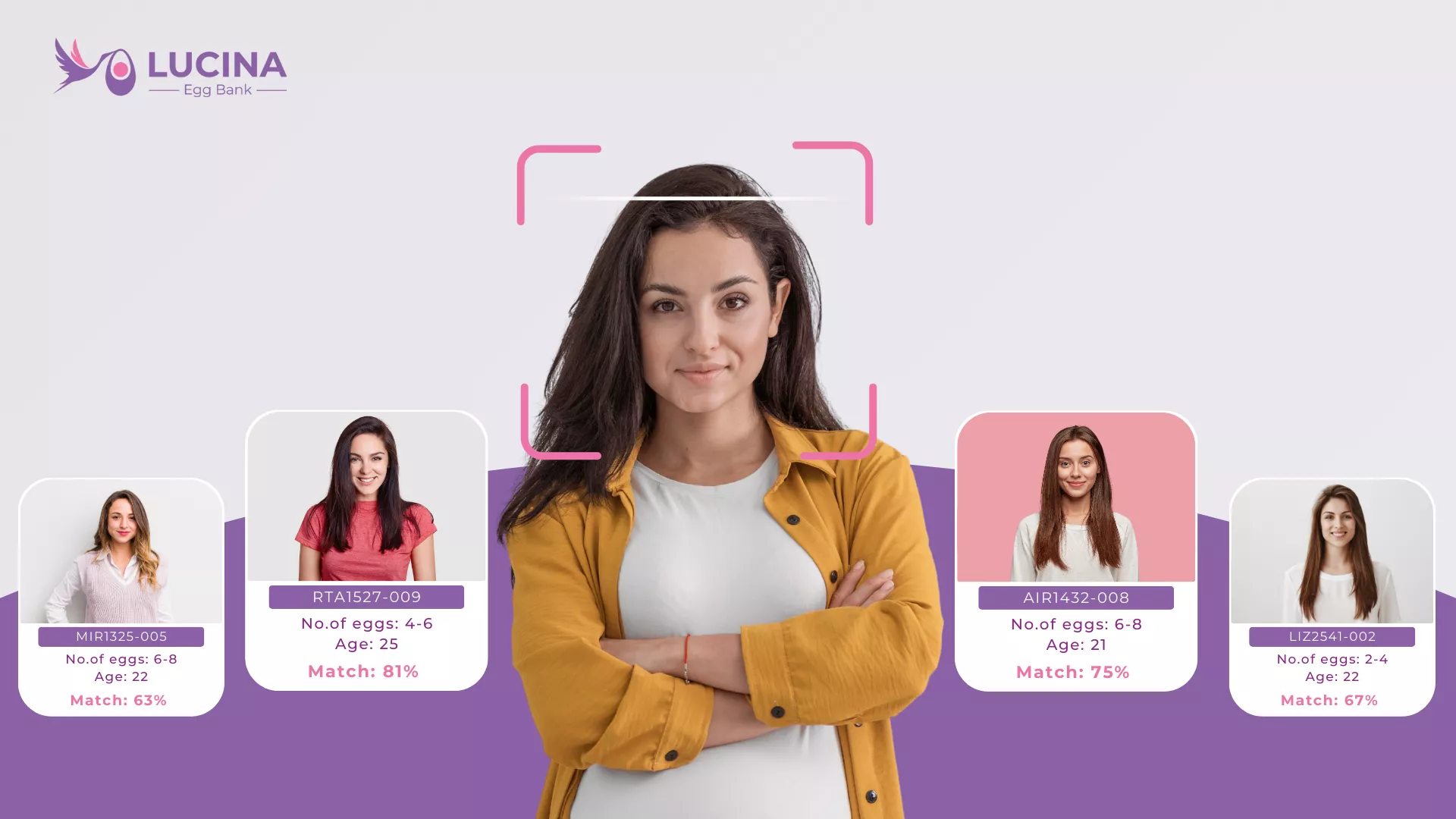
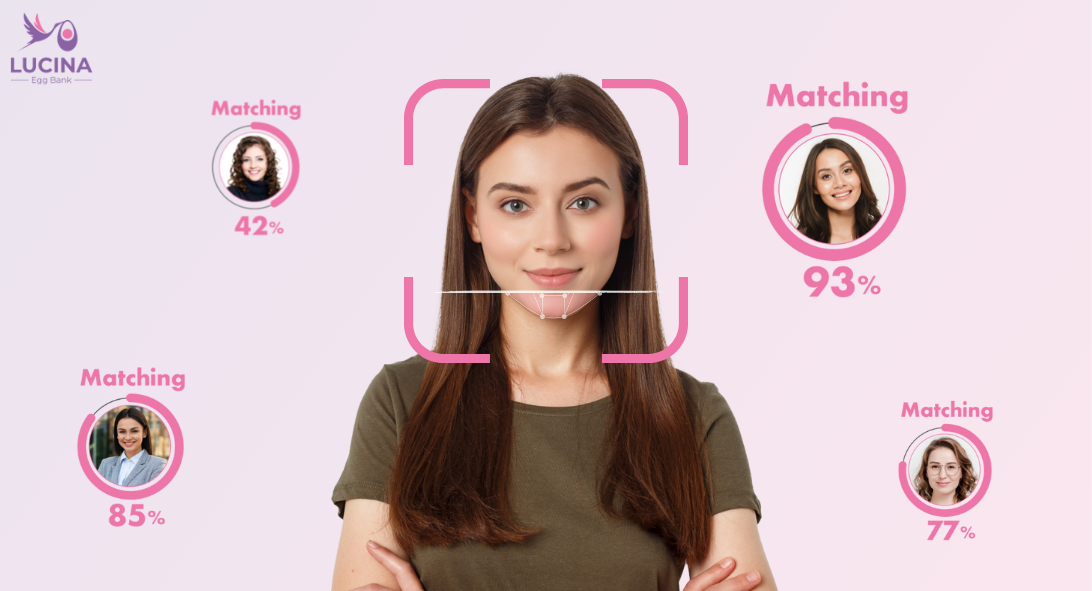
Review donor profiles including photos, medical histories, education, and ethnic background. Some banks offer AI matching tools. We let you browse donors for free with $0 upfront cost.
Frozen eggs are shipped to your fertility clinic via secure cryogenic transport. Your clinic’s embryology lab thaws the eggs and fertilizes them using Intracytoplasmic Sperm Injection (ICSI).
Your fertility specialist prepares your uterine lining with hormones, then transfers one or two embryos. A pregnancy test follows about 10 to 14 days later. Extra embryos can be frozen for future cycles.
Fresh vs. Frozen Donor Eggs
This is one of the first decisions you’ll face, and it affects your cost, timeline, and experience significantly.
How Much Does Egg Donation Cost?
Cost is the first question most families ask, and it deserves a direct answer. The price depends on which type of eggs you choose and which services are bundled into your package.
Per cohort (typically 6–8 eggs). Includes donor screening, compensation, and egg bank fees. Shipping to your clinic is additional.
Covers the full cycle: agency fees, donor compensation, medications, screening, monitoring, and retrieval. You bear all costs alone.
Your fertility clinic’s fees for embryo creation, transfer, monitoring, and medications. This is billed separately from egg costs.
We offer transparent, all-inclusive pricing on our frozen donor egg cohorts. There are no hidden fees, and you can explore financing options including 0% interest plans. Check our website for current pricing details.
How Egg Donors Are Screened
Not every applicant becomes a donor. The screening process is extensive because the stakes are high for both the donor’s safety and the intended parent’s outcome.
The ASRM’s 2024 guidance on gamete donation outlines the current standard. Reputable egg banks and agencies follow these recommendations alongside FDA requirements.
Here’s what a full screening typically includes:
- Medical evaluation. Complete physical exam, blood work, hormone panel, and infectious disease testing per FDA requirements.
- Genetic screening. Expanded carrier screening for conditions like cystic fibrosis, sickle cell disease, and other heritable disorders. Three-generation family health history review.
- Psychological evaluation. Clinical interview with a licensed mental health professional who specializes in third-party reproduction, plus standardized psychological testing.
- Background and lifestyle review. Drug screening, sexual history assessment, educational background, and evaluation of the donor’s understanding of the process and its implications.
Our donors are women ages 19 to 31 who pass all FDA and ASRM screening requirements. We maintain over 3,000 screened donors in our gallery, one of the largest and most ethnically diverse frozen donor pools in the U.S.
Choosing the Right Egg Donor
This is where the process gets personal. Most parents care about three things: health, resemblance, and background.
How to evaluate what matters most when selecting a donor.
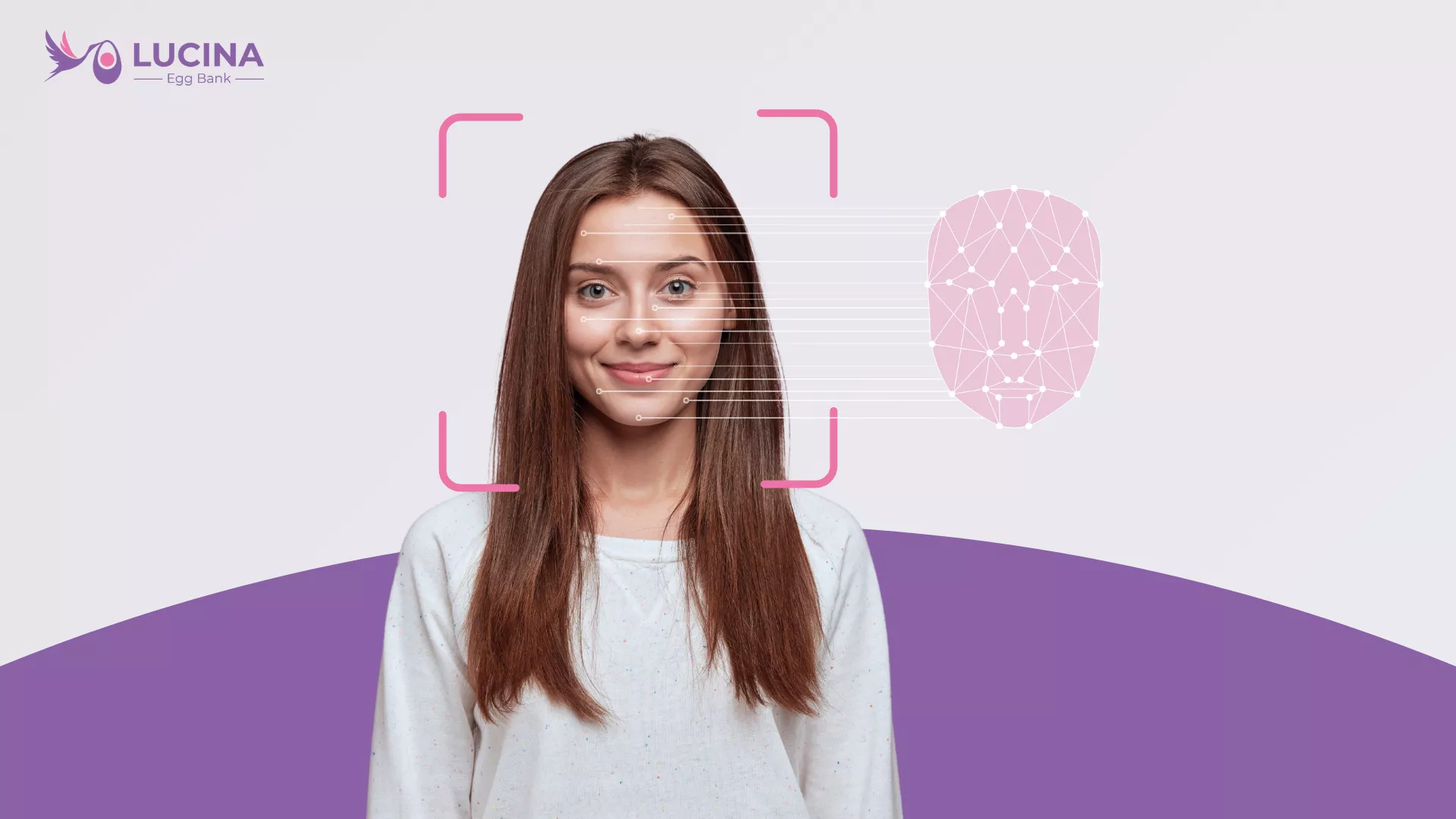
Our ReflEggction AI tool is the first facial recognition donor matching system in the U.S. You upload a photo, and the AI analyzes hundreds of phenotypic features to surface donors with the closest physical resemblance. It cuts average search time by up to 70%. You can try ReflEggction yourself at no cost.
Comparing Egg Banks and Agencies
You’ll hear these two terms used interchangeably, but they’re different models with different trade-offs. An egg bank provides pre-screened, frozen donor eggs ready to ship. An egg donor agency recruits a donor specifically for your cycle and coordinates a fresh egg retrieval.
Frozen donor egg bank with 3,000+ screened donors across diverse ethnic backgrounds. Offers ReflEggction AI facial recognition matching, Triple Guarantee Program (blastocyst, PGT-A, live birth), $0 upfront browsing, and global cryogenic shipping to any fertility clinic.
One of the longest-operating frozen egg banks in the U.S., with approximately 55 partner clinic locations. Offers guarantee programs and a large established donor pool. No AI-powered donor matching.
Clinic-partner network model offering both fresh and frozen donor egg options. Donor availability depends on partner clinic location. No AI-powered matching.
Agencies like Egg Donor America coordinate a donor specifically for your cycle. More eggs per cycle, but costs range from $20,000 to $40,000+, and the process takes several months due to cycle synchronization.
For a deeper comparison of the options, read our best egg banks and agencies breakdown.
What About the Egg Donor’s Side?
Egg donation works because real women volunteer to go through a medical process that takes 6 to 10 weeks. Knowing what donors experience can help you appreciate the process and make informed decisions.
Donors self-administer hormone injections for about 10 to 14 days to stimulate their ovaries to produce multiple eggs. The egg retrieval procedure itself is a short outpatient procedure done under light sedation. Recovery takes one to three days for most donors.
ASRM recommends that donors donate no more than six times in their lifetime. This limit protects the donor’s long-term health while still allowing her to help multiple families.
If you’re a young woman considering egg donation, we pay $8,000 to $15,000+ per cycle and cover all medical and travel costs. You can donate up to 6 times, and we offer a $1,000 referral bonus for friends who donate. Learn about becoming a donor.
Guarantee Programs and Financial Protection
One of the biggest fears in donor egg IVF is spending tens of thousands of dollars and still not having a baby. Guarantee programs exist specifically to address that fear with financial safeguards.
✅ PGT-A Guarantee
✅ Live Birth Guarantee
✅ Replacement cohorts if milestones aren’t met
✅ New egg cohorts provided if needed
❌ Not a pregnancy guarantee
❌ Conditions apply per program tier
These programs provide financial protection, not pregnancy promises. If certain clinical milestones aren’t reached, you receive replacement egg cohorts at no additional cost. For full details on each tier, visit our guarantee programs page.
Common Concerns About Egg Donation
Every intended parent who considers egg donation has a version of these worries. They’re worth addressing head-on.
“Will the baby look like me?” This is the most common concern, and it’s valid. Traditional donor selection relies on basic trait filters like hair color and eye color. AI tools like ReflEggction analyze hundreds of facial features for a closer phenotypic match. And epigenetics research shows the birth mother’s uterine environment influences gene expression during pregnancy.
“Is the child biologically mine?” The birth mother carries, nourishes, and delivers the baby. The biological connection isn’t binary. Epigenetic influence means the mother who carries the pregnancy shapes how the baby develops, even with donor genetics.
“What if it doesn’t work?” Donor egg IVF has some of the highest success rates in reproductive medicine because donor eggs come from young, healthy women. Our 2022 clinical pregnancy rate was 61.5%. Guarantee programs add another layer of security if results fall short.
Every person’s medical situation is different. Your fertility specialist can help you evaluate success probabilities based on your specific health profile, uterine condition, and treatment plan.
Take the Next Step Toward Building Your Family
Egg donation has helped thousands of families have children they thought were out of reach. The science is strong, the process is well-established, and the options available in 2026 are better than they’ve ever been.
We’ve built our donor gallery to make the search easier, not harder. Over 3,000 screened donors, AI-powered matching, three tiers of financial protection, and free browsing from the start. Browse our donor gallery and see what’s available for your family today.
Frequently Asked Questions About Egg Donation

Julianna Nikolic
Chief Strategy Officer Julianna Nikolic leads strategic initiatives, focusing on growth, innovation, and patient-centered solutions in the reproductive sciences sector. With 26+ years of management experience and a strong entrepreneurial background, she brings deep expertise to advancing reproductive healthcare.

Table of Contents
- What Is Egg Donation and How Does It Work?
- Who Uses Egg Donation?
- The Egg Donation Process Step by Step
- Fresh vs. Frozen Donor Eggs
- How Much Does Egg Donation Cost?
- How Egg Donors Are Screened
- Choosing the Right Egg Donor
- Comparing Egg Banks and Agencies
- What About the Egg Donor's Side?
- Guarantee Programs and Financial Protection
- Common Concerns About Egg Donation
- Take the Next Step Toward Building Your Family
- Frequently Asked Questions About Egg Donation