
Worrying you might regret using donor eggs is one of the most common feelings intended parents carry into this decision. Choosing to grow your family through egg donation can bring real joy, and it can also raise hard emotional questions before you’ve even started.
Will I feel like the parent? What if I don’t bond? What if my baby doesn’t look like me? If you’ve been reading Reddit threads or regret forums late at night, those fears can feel louder than they deserve to.
Here’s the honest version. Some parents do feel regret, many don’t, and a lot of what gets called regret is actually grief, stress, or postpartum overwhelm arriving at the same time as a major life change. At Lucina Egg Bank, we’d rather give you the real picture than a reassuring slogan, because you can take this seriously and still move forward with hope.

Does Anyone Regret Using Donor Eggs?
Some intended parents do report regret, but it’s far from universal, and it rarely comes from the donor eggs themselves. When regret shows up, it’s usually tied to unprocessed grief, secrecy, a hard IVF road, or postpartum overwhelm rather than the choice to use a donor. Naming the real cause early is what makes it manageable.
If you’re asking if you’ll regret this, you’re sitting with a few heavy questions at once. This path touches identity, family, and years of expectations, so it makes sense that the worry surfaces. The feeling is common enough that thousands of parents search for it every month.
When regret does happen, it usually traces back to one or more of these:
- Grief about the genetic connection that was never fully processed
- Pressure to feel an instant bond the moment the baby arrives
- Emotional exhaustion after a long or repeated IVF road
- Postpartum anxiety, depression, or sleep deprivation
- Secrecy, or a lack of support from people around you
- A mismatch between the plan and real life: boundaries, disclosure, donor type, or family reactions
Regret isn’t a guarantee, and it isn’t a character flaw. It’s a signal that something needs attention, and most of those things can be addressed before they take root.
What Is Donor Egg Grief?
Donor egg grief, sometimes called genetic grief, is the emotional process of letting go of the child you pictured having a genetic link to, and making room for a different version of parenthood. It’s a normal response to a real loss, not evidence you’re making the wrong call.
This grief can show up as:
- Sadness, jealousy, guilt, or numbness
- Fear that you won’t feel like the mom
- Fixation on how much the baby will resemble you
- Anger that you had to take this path at all
None of that cancels out love for your future child. It means the decision matters to you. Working through it early, ideally with a counselor who knows third-party reproduction, is one of the strongest predictors of feeling settled later. Our guide to emotionally preparing for parenthood goes deeper.
Common Fears About Using Donor Eggs
Deciding to use donor eggs is deeply personal, so it’s natural to have concerns about what lies ahead. Questions about emotional connection, physical resemblance, and the overall experience come up for almost everyone. These thoughts don’t mean you’ll regret the choice. They reflect how much you want a strong bond with your child. Here are the doubts that most often get mistaken for regret.
Will I Bond With a Baby Who Isn’t Biologically Mine?
If this one keeps you up at night, you’re in good company. Many parents who worried about it beforehand describe bonding as something that grew steadily, not something that had to land on day one.
Biology doesn’t define the parent-child relationship. It’s built through repetition: feeding, comforting, holding, showing up at 3 a.m., learning your baby’s cues. The connection forms in those ordinary moments, and it tends to surprise parents with how fierce it becomes. If the genetics question is what worries you, we unpack it in is the child biologically mine.
What if My Baby Doesn’t Look Like Me?
This fear is common, and it makes sense. When you’ve pictured parenthood a certain way for years, the idea of not seeing yourself in your child can feel upsetting. But resemblance usually becomes much bigger than cheekbones or eye color once you’re living life together.
Two things help here:
- Resemblance is broader than face shape. Children pick up your expressions, mannerisms, humor, routines, and the way you move through the world.
- Donor selection can bring comfort. Many families choose a donor with shared traits like hair and eye color, complexion, height, ethnicity, or interests. It doesn’t erase the feeling, but it softens it.
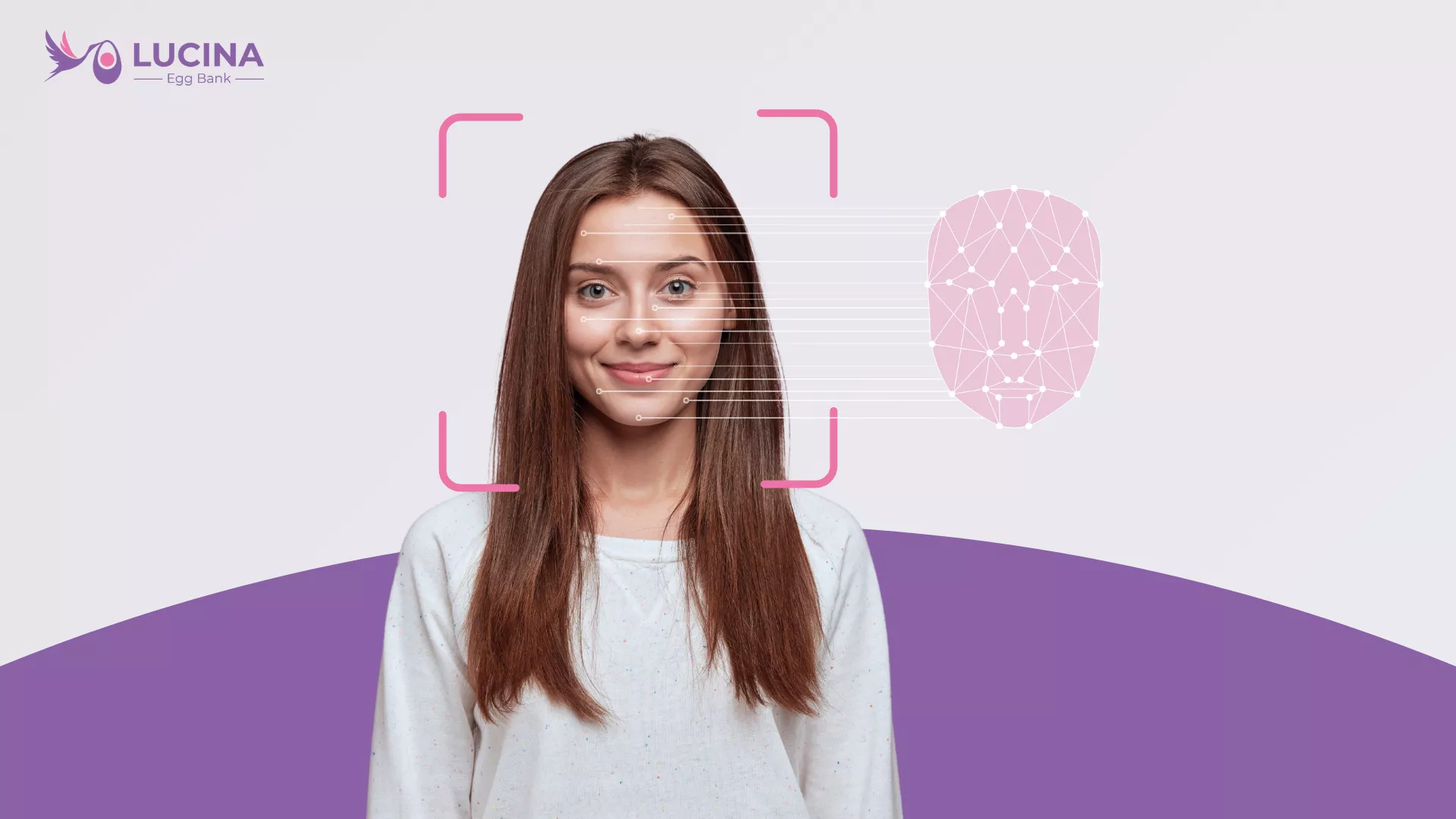
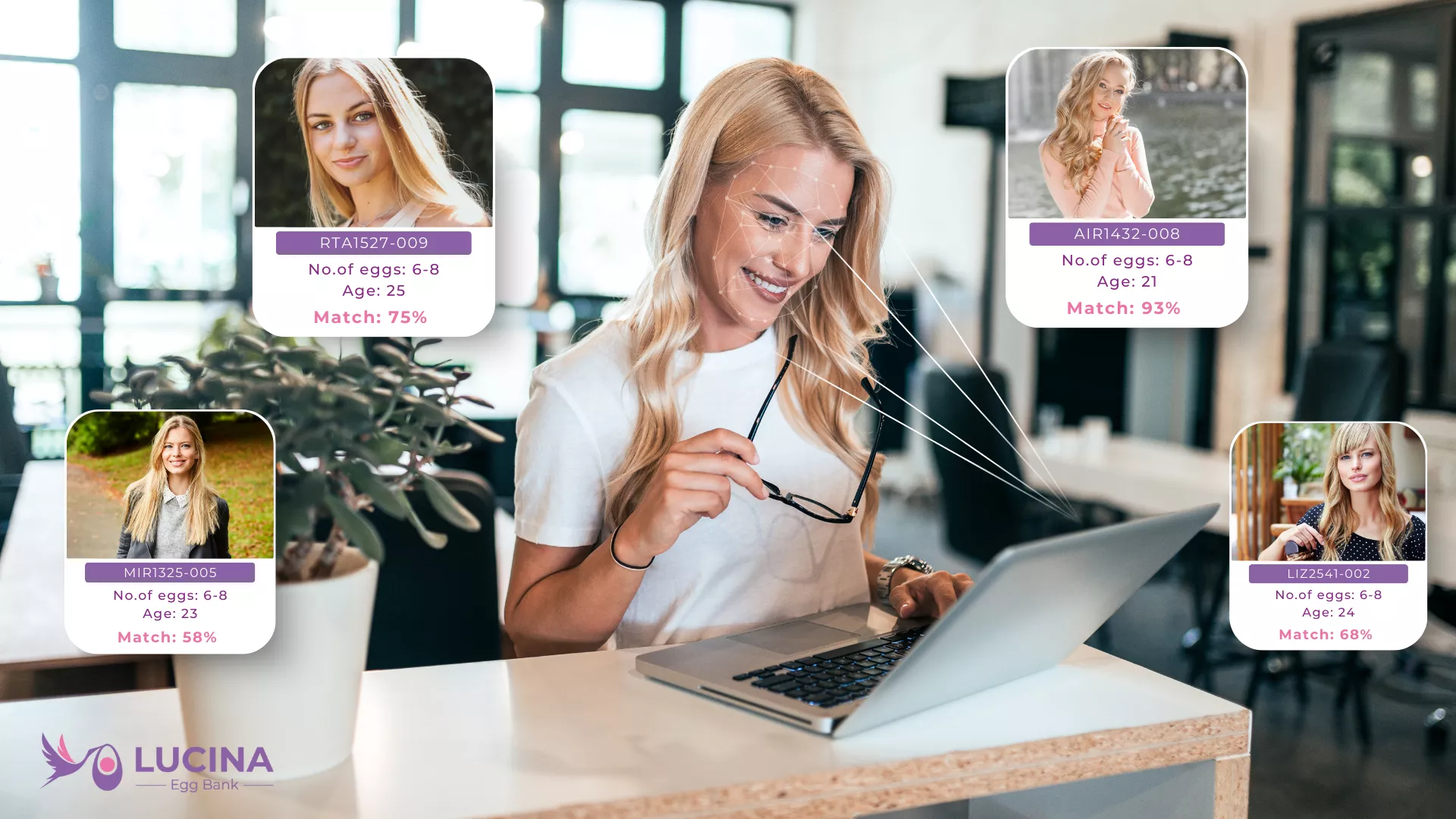
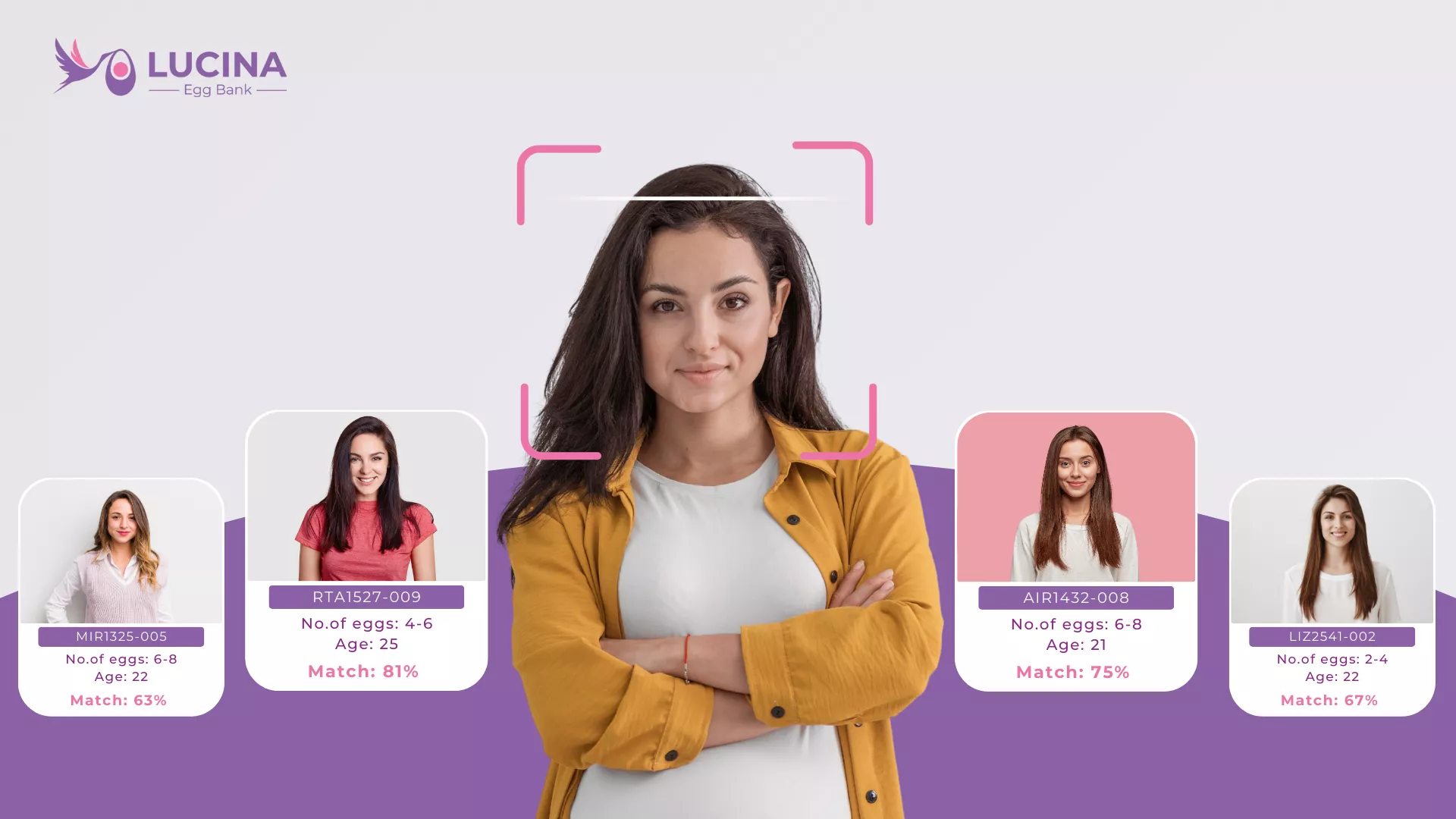
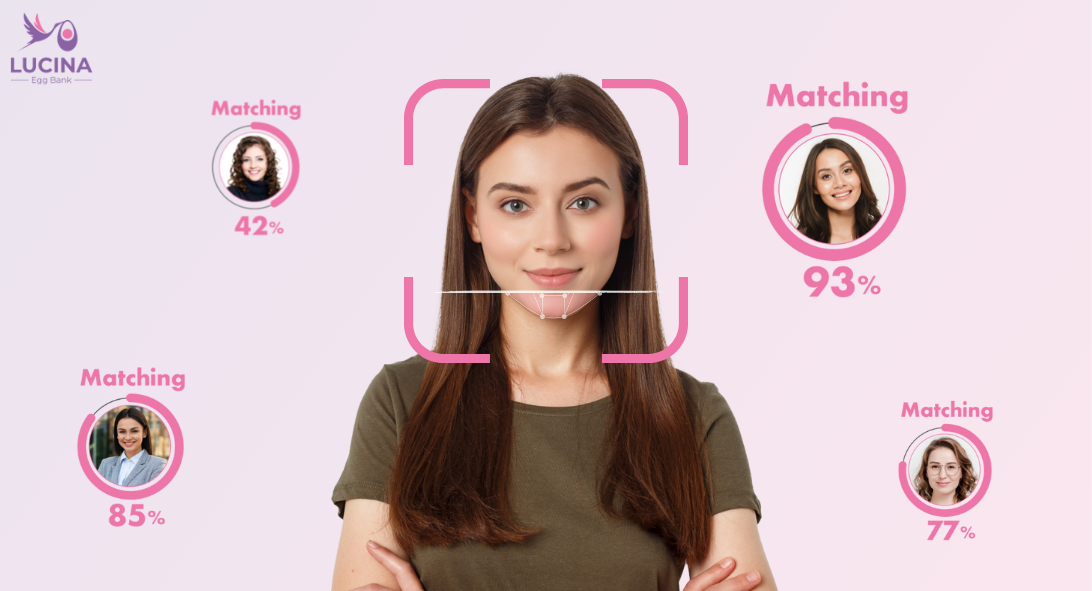
That’s exactly why we built ReflEggction® AI matching. It’s the first AI-powered facial recognition donor matching in the U.S., and it helps intended parents find donors who resemble them based on the traits that matter most to them, cutting search time by up to 70%.
Instead of scrolling endless profiles and second-guessing every choice, you get a clearer starting point, which matters a lot when resemblance is one of your biggest worries. You’re not shallow for caring about this. You’re human, and with the right match plus the bond you build day by day, this worry usually gets quieter, not louder. It also helps to understand how epigenetics shapes your baby.
Is It Harder if the Donor Egg Baby Is My First Child?
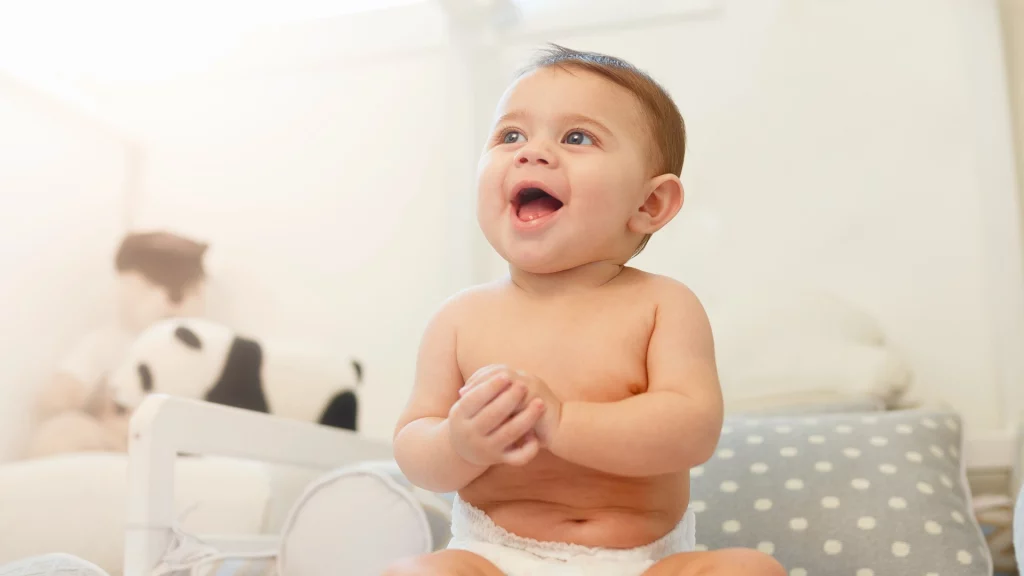
First-time parenthood brings uncertainty for almost everyone, donor eggs or not. The joy of a new baby is often mixed with doubts about how to feel, no matter how you conceived. That uncertainty is tied to becoming a parent, not to the donor egg.
Be patient with yourself. Many parents find that once the early overwhelm passes, the connection with their child deepens naturally. First baby or not, the love and care you give define the relationship, not the biology behind it.
If My First Child Is Biological, Will I Feel Differently About My Second?
It’s normal to wonder if a second baby conceived with a donor egg will feel different, especially when your bond with your first child feels so personal. The question itself is fair, and asking it doesn’t mean the answer is yes.
What many parents find over time:
- Love expands. It doesn’t get split between children.
- Bonding is built daily. Feeding, soothing, routines, and shared time do the real work.
- Sibling moments help. Watching your children connect can make the family feel more complete.
If you’re unsure, you don’t have to hold it alone. With support and a clear plan, the process feels steadier and far less overwhelming.
Should I Tell My Child They Were Conceived With a Donor Egg?
This is a personal choice, and there’s no single right answer. Some parents want to be open early. Others wait until the child is older and can understand more. In many families, sharing the story calmly and in an age-appropriate way actually lowers long-term stress, because it removes the weight of keeping a secret.
A common approach parents use:
- Start early, keep it simple. Think of it as a family story, not one big reveal.
- Add details over time. What you share at age 3 looks different from what you share at 13.
- Stay steady in the message. You were wanted, you belong, and we’re your parents.
With a disclosure plan you feel good about, this part of the process feels much less daunting. A counselor who works with donor-conceived families can help you script the early conversations.
Will My Child Resent Me for Using a Donor Egg?
This is one of the most painful fears parents carry, and it’s worth answering directly: the research doesn’t support it. Studies of donor-conceived people find that being told early, in an open and loving way, is linked to positive feelings about their origins, not resentment toward their parents.
What tends to cause hurt later isn’t the donor conception itself. It’s secrecy, or finding out by accident. When children grow up always having known, the story is simply part of who they are, and the relationship rests on the daily care you give, not on genetics.
If your mind jumps to worst-case versions of this, that’s anxiety talking, and it’s common before a child even arrives. Early, age-appropriate openness plus a counselor’s guidance is the most reliable way to protect the bond you’re worried about losing.
Anonymous vs. Known Donor: Will It Change Regret?
The donor type matters less than the plan you build around it. Research on donor-conception families generally shows strong parent-child relationships and healthy family functioning overall, with anonymous and known donors alike.
Many intended parents choose anonymous donation because it can:
- Reduce role blur early on. It’s simpler to focus on parenting without a separate relationship to manage.
- Feel emotionally safer at the start. That reassurance helps parents who worry about insecurity or comparison.
One reality check that keeps stress low later: anonymous donation doesn’t always stay anonymous, because direct-to-consumer DNA testing can surface genetic links over time. Many professional bodies recommend counseling with that in mind.
Known donation can be a strong fit if you want:
- More transparency for your child over time. It can make questions later in life easier to answer.
- A defined contact plan. Everyone agrees on the boundaries upfront, which is the part that matters most.
In practice, regret tends to come less from the donor category and more from uncertainty that wasn’t talked through ahead of time: boundaries, disclosure, expectations, and support.
Which choice would feel most peaceful five years from now, when life is more settled?
A question worth sitting withAt Lucina, we believe in picking the option that makes you exhale: the one that’s easiest to explain to your future child and easiest to live with day to day, because day to day is where bonding grows.
Practical Steps to Build Confidence in Your Decision

If you’re worried about regret, these steps help you feel calmer, clearer, and more confident before you commit.
- Name the real worry first. Much of the fear behind regret is grief, stress, or anxiety about bonding, not a sign you’re making the wrong choice. Naming it early makes it easier to address.
- Learn the process so it feels less scary. Ask your egg bank to walk you through screening, matching, and timelines. Our egg donation process guide covers each step, and knowing what to expect quiets the mental spirals.
- Choose an egg bank with strict screening and real support. A reputable bank screens donors thoroughly and gives you guidance that helps you feel steadier. Here’s why families choose Lucina.
- Seek balanced stories, not just forums. Online threads skew negative because people post when they’re overwhelmed, not when life is calm. Support groups and counseling give you the fuller picture, including what helped.
- Use your fertility team as a safety net. Bring your doubts to your specialist, who can explain options, normalize what you’re feeling, and help you make a plan that fits your family.
- Make room for donor egg grief without judging yourself. Processing the loss of a genetic link is common and doesn’t predict your future bond. Working through it early means fewer surprises later.
- Protect your stress levels during IVF and early postpartum. Overload can look like regret when it’s really burnout or exhaustion. Sleep help, counseling, and gentle routines make the whole experience lighter.
This article is educational and isn’t a substitute for mental health or medical care. If feelings of grief, anxiety, or low mood feel heavy or persistent, a counselor who works with third-party reproduction can help you sort through them before and after your decision.
Moving Forward Without Regret
If you’ve typed “regret using donor eggs” into a search bar, it doesn’t mean you aren’t ready. It means you care, and you’re trying to protect your future family from avoidable pain.
Some families hit bumps along the way: grief, doubt, complicated feelings, even moments of wondering if they did the right thing. Many also describe deep attachment, fierce love, and a steady sense of this is my child that grows stronger with time. Both can be true in the same family.
Match With a Donor Who Resembles You
If resemblance is one of your biggest worries, ReflEggction AI matches donors by facial recognition so you start from a clearer, more confident place, not an endless scroll of profiles.
3,500+ screened donor profiles · 92.2% frozen egg survival rate (2022) · Up to 70% faster donor search
$0 to browse the gallery. Triple Guarantee programs available. ReflEggction AI matches donors by facial recognition.
Frequently Asked Questions
Julianna Nikolic
Chief Strategy Officer Julianna Nikolic leads strategic initiatives, focusing on growth, innovation, and patient-centered solutions in the reproductive sciences sector. With 26+ years of management experience and a strong entrepreneurial background, she brings deep expertise to advancing reproductive healthcare.