
If you’re autistic and considering egg donation, you’ve probably wondered if you can donate eggs with autism, and what the path actually looks like. It’s one of the most common eligibility questions we hear, and it deserves a real answer: eligibility depends on a few specific factors, not the diagnosis itself.
At Lucina Egg Bank, we evaluate each applicant individually. Autism spectrum disorder (ASD) is not listed as a blanket disqualifier, but the screening process does look carefully at functional capacity, co-occurring conditions, and whether you can provide informed consent and manage the demands of the donation process independently.
Autistic donors who want to donate eggs with autism and who live independently, can provide informed consent without a legal guardian, and have no disqualifying co-occurring conditions may qualify. Donors with moderate to high support needs, or with co-occurring conditions that independently disqualify them, are more likely to be deferred. Every application is reviewed individually.

What Egg Banks Evaluate When ASD Is Disclosed
Autism spectrum disorder covers a wide range of presentations. A donor diagnosed with ASD in childhood who now lives independently, works, studies, and manages daily life without support is in a fundamentally different position than someone who requires substantial daily assistance.
Egg donation programs are not in the business of assessing neurological profiles. What they assess is functional readiness for a specific medical process. The questions screeners are actually asking when ASD is disclosed include:
- Can you provide legally valid informed consent? Donors must understand what they’re agreeing to: the medical procedures, risks, compensation structure, and legal implications. If a legal guardian manages your medical decisions, this creates a barrier that goes beyond the diagnosis itself.
- Can you manage the process independently? The donation cycle involves daily self-administered injections, monitoring appointments, travel, and medical follow-up. Donors need to follow instructions, attend appointments, and communicate with the medical team.
- Are there co-occurring conditions? Anxiety, depression, ADHD, and other conditions that frequently co-occur with ASD are evaluated on their own terms. Each is assessed separately.
- What does your family history look like? Egg donation programs ask all donors to document genetic and psychiatric conditions in close relatives. ASD has a heritable component, and how this is disclosed and evaluated is part of the process.
Functional Independence and Why It Matters
The single most determinative factor in ASD-related eligibility decisions is functional independence. This isn’t a judgment about autism as a condition. It’s a practical question about whether you can safely and autonomously participate in a medical process that involves daily injections, clinic visits, and medical monitoring over 6 to 10 weeks.
Donors who live independently, manage their own medical appointments, hold employment or attend school without major accommodations, and do not require a guardian for healthcare decisions are generally in a position to be evaluated on the full merits of their application, including whether they can donate eggs with autism and meet all other screening criteria.
Donors who require a legal guardian for medical decisions face a more fundamental barrier. Informed consent in egg donation is a legal requirement, and guardianship arrangements that cover medical decision-making mean consent cannot come from the donor alone. This applies to any donor whose legal capacity to consent is managed by a third party, not only those with autism.
If you manage your own healthcare decisions, live independently, and are currently working or studying without major accommodations, those are all positive indicators when it comes to the functional readiness assessment. Documenting these clearly in your application gives the screening team a clear picture from the start.
Co-Occurring Conditions and Separate Evaluations
Autism frequently co-occurs with other conditions: anxiety disorders, depression, ADHD, sensory processing challenges, and others. Each is reviewed separately during donor screening, according to its own criteria.
A donor with ASD and mild anxiety managed with an SSRI may face two separate review tracks: one for the ASD itself, and one for the anxiety and medication. Anxiety and egg donation criteria and ADHD and egg donation criteria each run through their own eligibility frameworks.
Co-occurring conditions that typically result in deferral regardless of ASD status include:
- Bipolar disorder or schizophrenia spectrum conditions
- Active eating disorders
- Active suicidal ideation or recent psychiatric hospitalization
- Substance use disorder within a recent window
- Borderline personality disorder
If none of these apply and your co-occurring conditions are well-managed, the co-occurring condition track is unlikely to add a barrier beyond what the ASD assessment itself involves.
Genetic Disclosure and ASD in the Family History
Every donor is required to disclose known genetic and psychiatric conditions in their family history. This is true for all applicants, not only those with ASD.
ASD has a heritable component. Research consistently shows that first-degree relatives of autistic individuals have an elevated likelihood of ASD or related traits compared to the general population. Egg donation programs take family psychiatric and neurodevelopmental history seriously, and disclosing this information accurately is both required and in the best interests of the intended parents.
Disclosing a personal ASD diagnosis and relevant family history does not automatically disqualify you. It becomes part of the donor’s profile that intended parents review when selecting a donor.
Many intended parents are not deterred by neurodevelopmental history, and some actively seek donors with particular backgrounds. How health history factors into the genetic matching process is something many intended parents explore when selecting a donor.
For a broader look at how family psychiatric history factors into screening, how hereditary psychiatric conditions factor into family history and egg donation screening is covered in depth.
Autism spectrum disorder is a neurodevelopmental condition, not a psychiatric illness. The NIMH ASD overview describes it as a condition affecting communication, behavior, and social interaction, with a wide range of presentations. The WHO autism fact sheet provides additional global context.
Egg donation programs may use the psychiatric evaluation framework to assess ASD-related eligibility, but ASD is not categorized the same way as psychiatric conditions during screening. The functional independence assessment carries more weight than the diagnostic label alone.
What the Screening Process Looks Like for Autistic Donors
The overall process follows the same structure as for all donors. Here’s what to expect at each stage if you want to donate eggs with autism:
Disclose your ASD diagnosis, any co-occurring conditions, current medications, and relevant family history. Accuracy matters more than what you think the screener wants to see.
Our team reviews your application. An ASD disclosure typically prompts a follow-up conversation before the process advances to medical screening, to better understand your functional history.
Bloodwork, hormone testing, and a physical exam. This stage is the same regardless of diagnosis and focuses on reproductive health and physical fitness for donation.
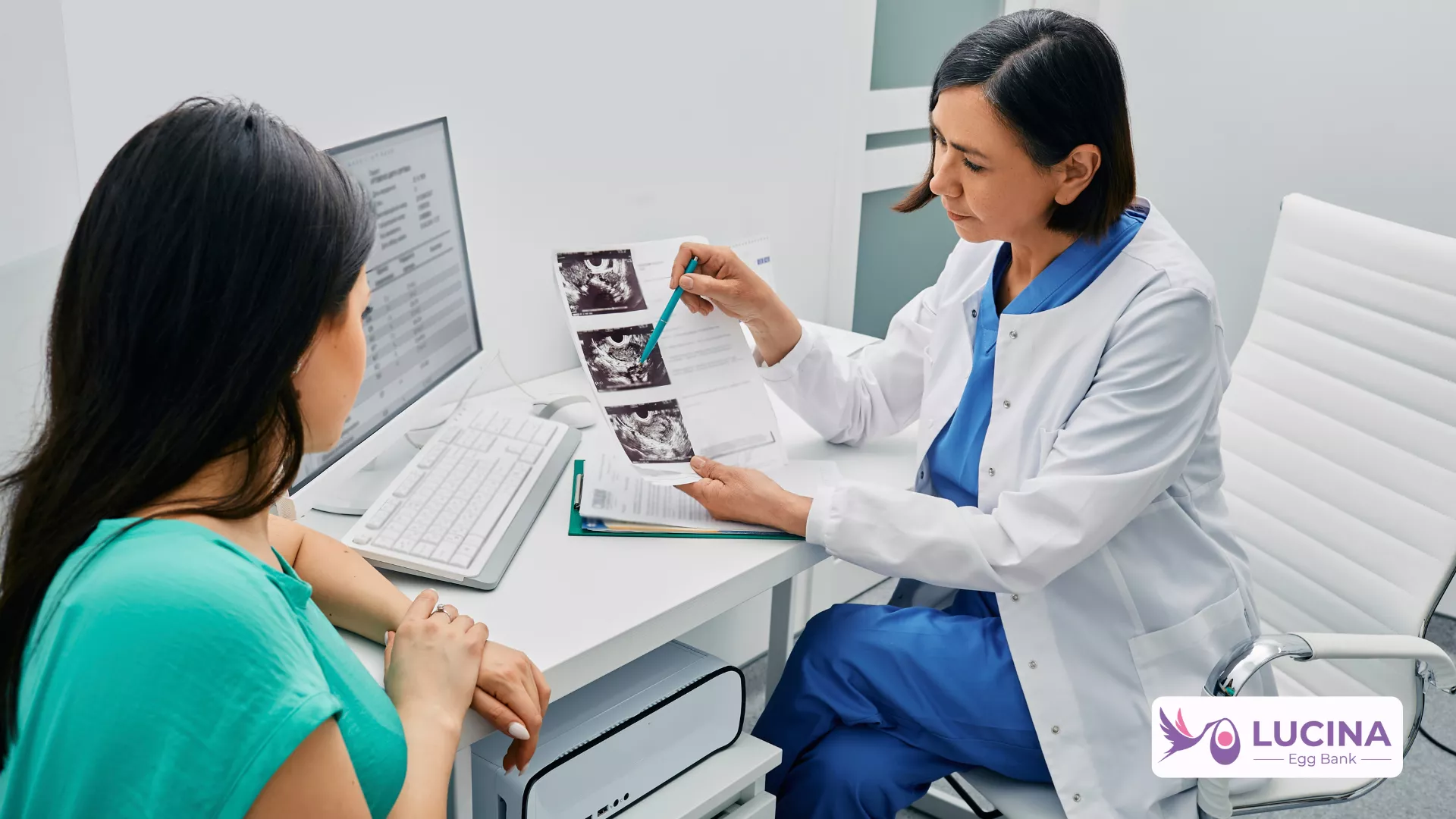
A licensed mental health professional conducts a structured assessment. For autistic donors, this evaluation pays particular attention to informed consent comprehension, emotional readiness, and awareness of the long-term implications of donation.
A reproductive endocrinologist reviews your full profile, including the psychological evaluation results, before approving you to begin the stimulation cycle.
All evaluations are reviewed together. Functionally independent donors who want to donate eggs with autism and have no disqualifying co-occurring conditions can reach clearance.
Every stage of the egg donor screening process, from initial application to physician clearance, is documented for anyone who wants the complete technical walkthrough.
The most direct way to find out is to apply. We review every application individually, and an ASD diagnosis doesn’t close the door before the medical team has looked at your full picture.
Start Your Application →A Note on Language and How We Approach This Topic
Autism is a topic where language matters. Some people prefer person-first language (“person with autism”), while many autistic people prefer identity-first language (“autistic person”). Both usages are valid, and this article uses both interchangeably out of respect for that range.
The screening process at egg donation programs is not designed to assess neurological difference. They’re designed to assess readiness, safety, and the ability to give informed consent for a specific medical procedure, and that distinction matters.
The Honest Answer About Autism and Egg Donation
If you want to donate eggs with autism, what the screening process is really asking is whether you can safely and independently participate in a 6-to-10-week medical process, understand what you’re agreeing to, and manage your own healthcare decisions.
For many autistic adults, the answer to all of those questions is yes. The same qualities that often characterize autism (attention to process, precision, consistency) can support a smooth donation experience once eligibility is confirmed.
Our 3,500+ screened donor profiles come from a wide range of backgrounds. If you’re ready to find out where you stand, the application takes about 15 minutes. Explore why donors choose Lucina, see how the clinical partner network is structured, or review the most common egg donation disqualifiers.
Apply to Donate Eggs With Lucina
An ASD diagnosis doesn’t close the door. We review each applicant individually, with a medical and psychological team that looks at the full picture. Our 3,500+ screened donor profiles reflect a wide range of backgrounds and health histories.
$8,000–$15,000+ per cycle (Standard) · Up to $50,000 per cycle (Iconic) · 6–10 week process
All medical and travel costs covered. Compensation paid after retrieval. Up to 6 donation cycles allowed per ASRM lifetime guidelines.
Frequently Asked Questions
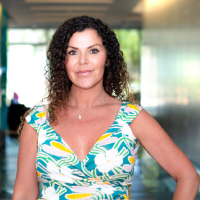
Julianna Nikolic
Chief Strategy Officer Julianna Nikolic leads strategic initiatives, focusing on growth, innovation, and patient-centered solutions in the reproductive sciences sector. With 26+ years of management experience and a strong entrepreneurial background, she brings deep expertise to advancing reproductive healthcare.

Table of Contents
- What Egg Banks Evaluate When ASD Is Disclosed
- Functional Independence and Why It Matters
- Co-Occurring Conditions and Separate Evaluations
- Genetic Disclosure and ASD in the Family History
- What the Screening Process Looks Like for Autistic Donors
- A Note on Language and How We Approach This Topic
- The Honest Answer About Autism and Egg Donation
- Frequently Asked Questions