
Recovery after egg retrieval is the same process whether you’re an IVF patient who just retrieved your own eggs or an egg donor whose cycle has just completed. The procedure is brief (typically 20 to 30 minutes), but the recovery period that follows requires attention either way.
Understanding what recovery after egg retrieval looks like, how long it takes, and what symptoms are normal helps you manage the process without unnecessary worry. Most people return to normal activity within 24 to 48 hours.
This guide covers the full recovery timeline, what to expect day by day, what to avoid, and when to call your clinic. Where the experience differs between IVF patients and egg donors, that’s noted.

What Recovery After Egg Retrieval Involves
How long is recovery after egg retrieval? Most people return to light activity within 24 to 48 hours. Full recovery typically takes 3 to 7 days. The timeline is the same for IVF patients and egg donors. Both go through the same retrieval procedure and the same post-procedure healing process. Plan for a rest day on the day of the procedure, expect peak discomfort on day 2 to 3, and gradual improvement from day 4 onward.
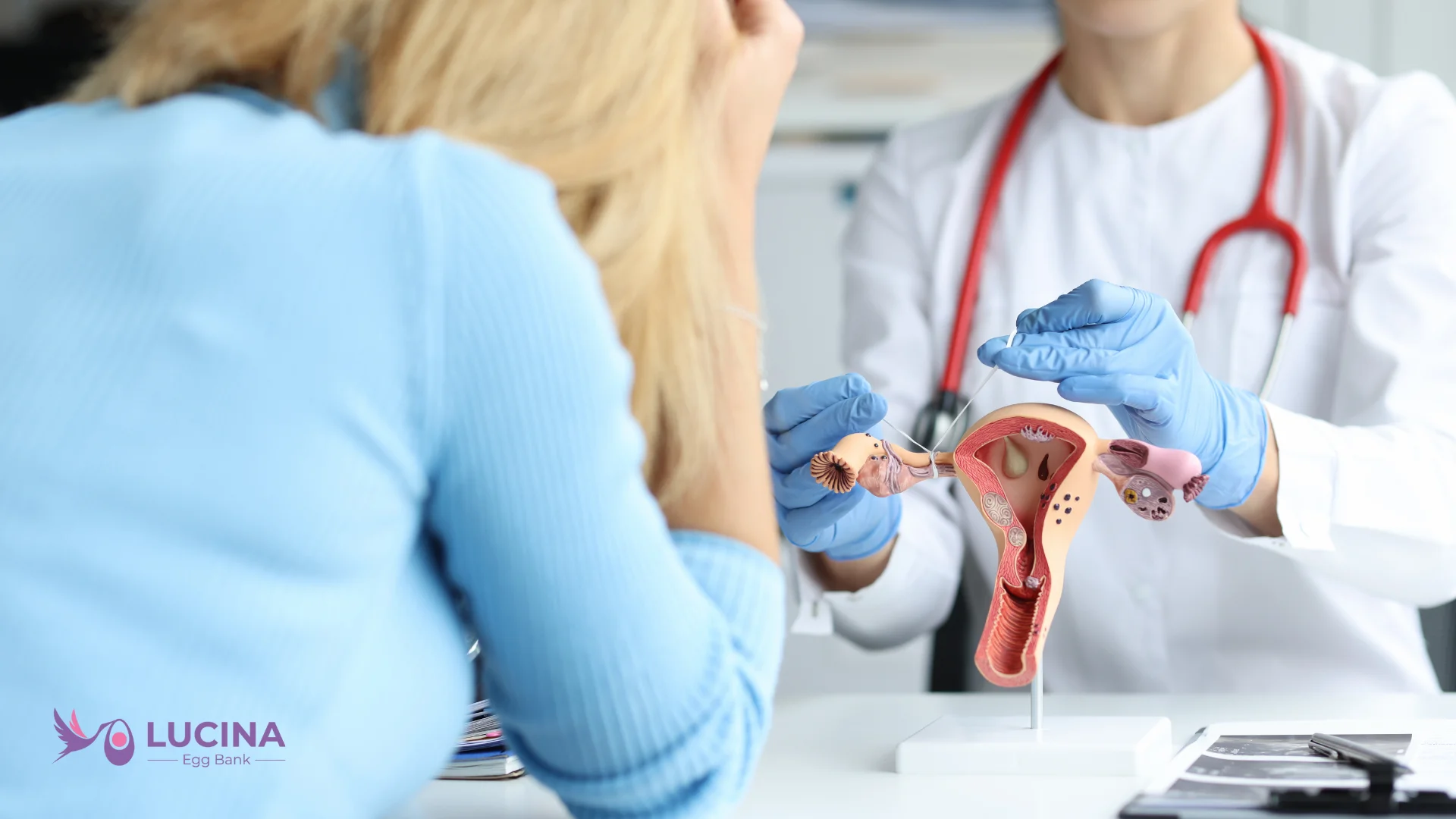
Egg retrieval involves inserting a thin needle through the vaginal wall to aspirate fluid from each ovarian follicle. The procedure is done under light sedation and takes 20 to 30 minutes. Afterward, the ovaries (which have been stimulated to produce multiple eggs) need time to return to their normal size. That process is what drives most of the recovery symptoms.
For IVF patients, the recovery focus is on preparing the uterine lining for an embryo transfer. For egg donors, recovery ends the active part of the cycle. The physical experience of recovering from the egg retrieval process is the same either way. SART patient guidelines confirm that most people resume light activity within 24 to 48 hours.
Recovery After Egg Retrieval Timeline
Most people recover within a few days, though the exact timeline depends on hormone levels, how the ovaries responded to stimulation, and individual health. Here’s what to expect at each stage.
- First 24 hours. Rest is the priority. You may feel groggy from sedation for a few hours after discharge. Mild abdominal cramping, bloating, and light spotting are normal. A driver is required. You cannot drive after sedation.
- Days 2 to 3. Symptoms like bloating and cramping may peak during this window before beginning to improve. Stay hydrated, use a heating pad on low for cramping, and avoid any activity that strains the abdomen. Fatigue is common.
- Days 4 to 7. Bloating and cramping should decrease noticeably. Most people feel well enough to return to normal activities by day 4 or 5. Some mild lingering discomfort is possible. Avoid high-intensity exercise until cleared by your care team.
- After one week. Full recovery is expected. If cramping, bloating, or nausea persist beyond 7 days or worsen after initially improving, contact your fertility specialist. Worsening symptoms after day 3 are the specific signal to watch for.
Common Symptoms After Egg Retrieval
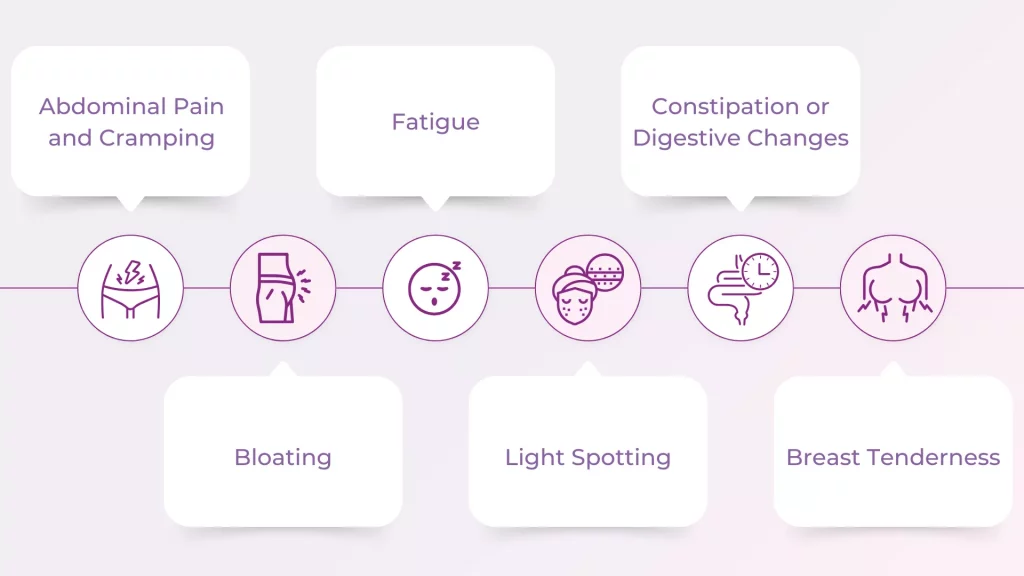
The symptoms that follow egg retrieval are driven by two things: the physical effects of the procedure itself, and the ovaries returning to their normal state after producing multiple eggs during stimulation. Most are mild and resolve within days.
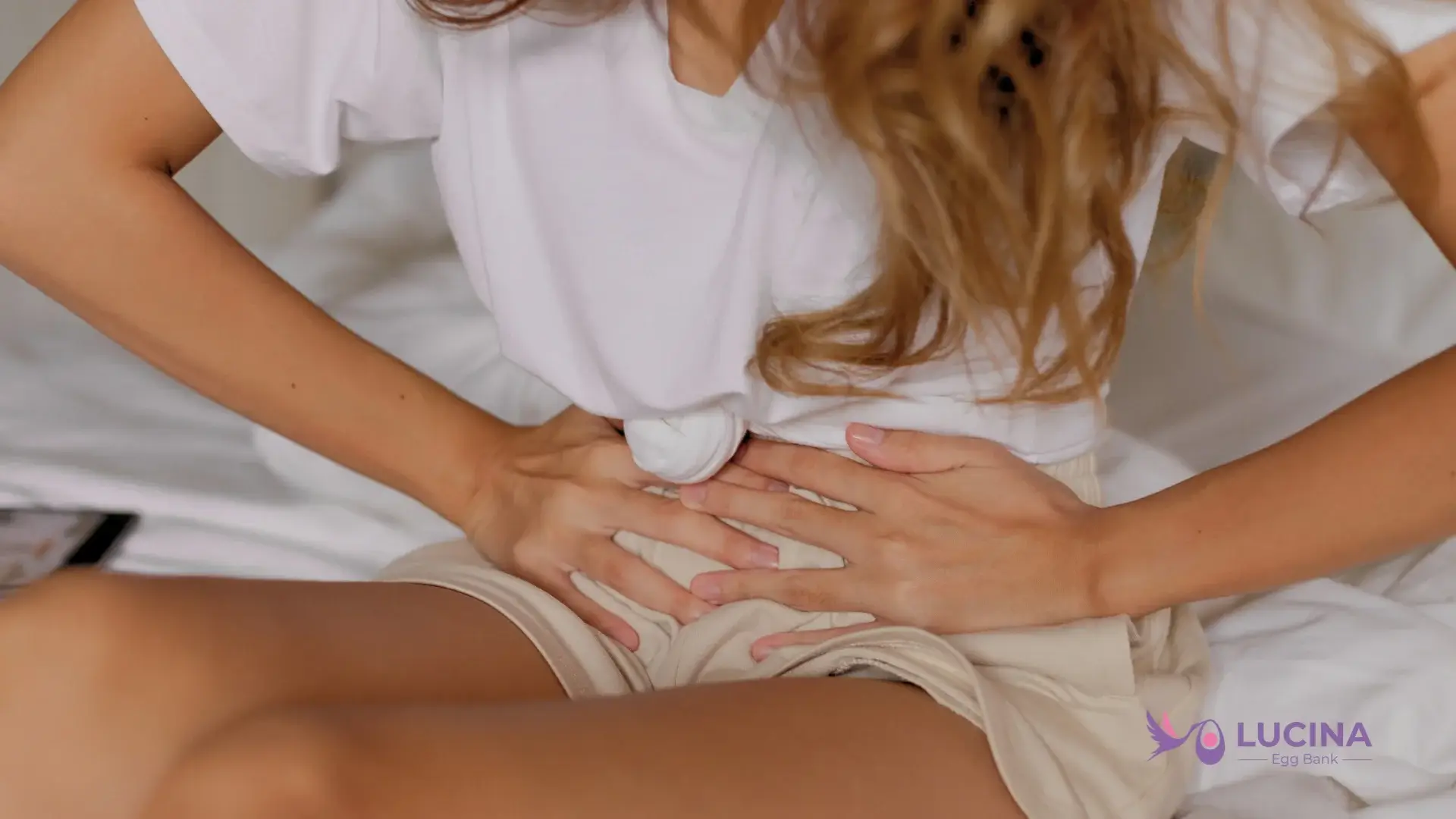
- Abdominal cramping. The most common symptom. It feels similar to menstrual cramps as the ovaries reduce in size. Over-the-counter pain relievers (not aspirin) or a heating pad on low manage this well. Contact your clinic if cramping intensifies rather than improving after day 3.
- Bloating. Hormonal changes and fluid retention cause bloating that may last several days. Staying hydrated and avoiding salty foods helps. Bloating that rapidly worsens after day 3 is an OHSS warning sign.
- Fatigue. The body needs time to recover from sedation and the procedure itself. Rest and hydration are the primary remedies. Most people feel normal energy levels return by day 3 to 4.
- Light spotting. Some spotting is normal and typically subsides within a day or two. Heavy bleeding is not normal. Contact your fertility specialist immediately if bleeding is heavier than light spotting.
- Constipation or digestive changes. Hormonal fluctuations and pain medications can slow digestion. Fiber-rich foods, adequate water intake, and light walking help restore normal digestion.
- Breast tenderness. Hormonal shifts similar to those in a menstrual cycle cause mild breast tenderness in some patients. This resolves as hormone levels normalize after retrieval.
A fuller picture of how the body responds during the stimulation and recovery phases, including what’s normal versus what needs medical attention, is covered under typical donor body reactions.
What to Avoid After Egg Retrieval
The recovery window after egg retrieval is short, but what you do during it matters. These restrictions apply to both IVF patients and donors during the first week.
- Alcohol. Alcohol dehydrates, worsens bloating, and interferes with the body’s healing process. Avoid it for at least 3 to 5 days post-retrieval.
- Strenuous exercise. Running, high-intensity workouts, and heavy lifting put pressure on the abdomen and can increase discomfort or risk ovarian torsion in the days immediately after retrieval. Light walking is fine. Keep it gentle for about a week.
- Sexual activity. Avoid sex for at least a week or until cleared by your doctor. The ovaries remain sensitive, and the ovarian follicles are still healing in the days after retrieval.
- Aspirin. Aspirin affects platelet function and can increase bleeding. Use acetaminophen or ibuprofen at standard doses per your care team’s guidance, and confirm which pain relievers are approved before taking anything.
- Ignoring worsening symptoms. Mild bloating and cramping are expected. Rapidly worsening pain, severe bloating, difficulty breathing, or a gain of more than 2 pounds in 24 hours are OHSS warning signs. Don’t wait to call your clinic.
Arrange a driver before your retrieval appointment. You will not be able to drive on the day of the procedure due to sedation. Knowing this in advance removes one source of post-procedure stress.
Recovery Time Before Your Next Egg Donation Cycle
For egg donors specifically, recovery after retrieval isn’t just about returning to normal daily life. It’s also about how long before the ovaries are ready for another stimulation cycle.
Your next menstrual period typically arrives within 2 weeks of retrieval as hormone levels normalize. Most fertility specialists and egg banks recommend waiting for at least one full menstrual cycle to complete before beginning another stimulation protocol. In practice, that means 4 to 6 weeks between cycles.
Under ASRM guidelines for repetitive oocyte donation, donors are permitted a maximum of 6 cycles over their lifetime. The waiting period between cycles isn’t just physical. It confirms the donor is fully ready before committing to another round of stimulation injections and monitoring appointments.
Tips for Faster Recovery After Egg Retrieval

These six steps cover the most impactful things you can do in the first week after retrieval to reduce discomfort and speed up healing.
Plan to do nothing the day of retrieval. Even if you feel well, the sedation and procedure put real demand on your body. Resting fully on day one reduces the chance of symptoms intensifying on day two.
Water reduces bloating, prevents constipation, and speeds up the body’s return to normal. Electrolyte drinks can help if you feel nauseous. Avoid alcohol and limit caffeine; both slow hydration.
A heating pad on low applied to the lower abdomen helps relax cramping. Keep sessions short and use a barrier between the pad and skin. Don’t fall asleep with a heating pad on.
High-fiber foods (vegetables, fruits, whole grains) help prevent constipation from hormonal changes or pain medications. Avoid salty and processed foods that worsen bloating. Small, regular meals are easier on digestion than larger ones.
Light walking is fine and actually helps circulation and reduces bloating. Anything that elevates your heart rate, strains the core, or requires lifting should wait until you’re cleared by your care team, typically after your follow-up.
Normal recovery improves daily. Symptoms that worsen after day 3, rapid weight gain, shortness of breath, or severe abdominal pain are OHSS warning signs. Write down what you experience so you can report clearly if you do call the clinic.
Ovarian Hyperstimulation Syndrome develops in severe form in fewer than 2% of stimulation cycles. Mild OHSS (bloating and discomfort that resolve without treatment) is more common. The distinguishing pattern: normal recovery improves day by day, while OHSS symptoms worsen after initially seeming to stabilize. If you’re unsure which you’re experiencing, call your clinic rather than waiting.
What Comes Next After Recovery
Recovery after egg retrieval is one of the shorter parts of the overall timeline. For IVF patients, recovery runs alongside uterine preparation for embryo transfer. For egg donors, recovery marks the end of the active cycle. Either way, the recovery window itself is typically a week or less.
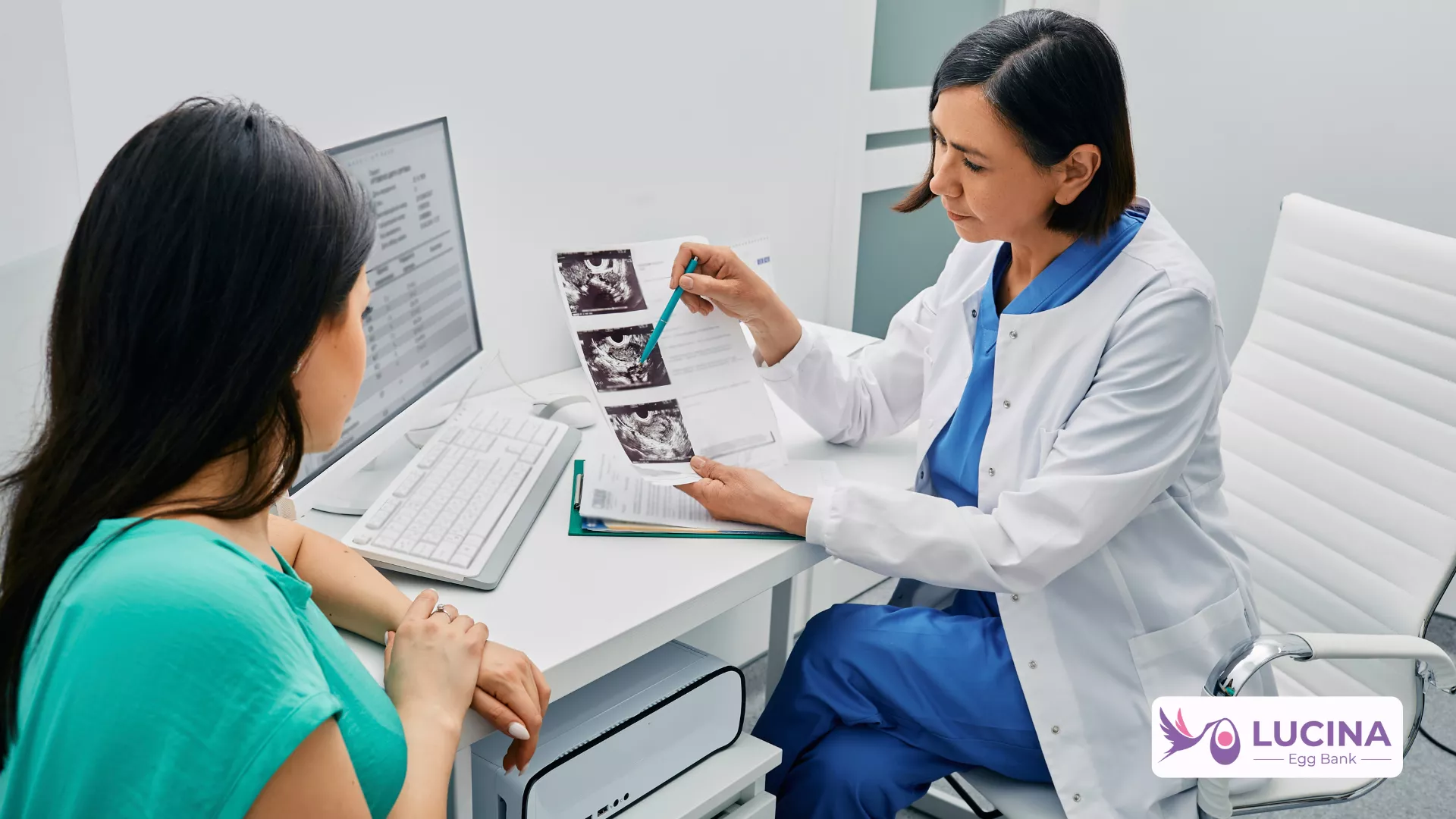
A follow-up appointment is usually scheduled within a week to confirm recovery is progressing normally and rule out late-onset complications. Your care team will let you know when you’re cleared for normal activity, exercise, and in the case of donors, when you’re eligible for another cycle.
The full context for what donors experience before, during, and after retrieval is covered in the egg retrieval process guide, and the broader picture of egg donation risks covers what monitoring exists for the recovery period.
Apply to Donate Eggs With Lucina
Recovery after egg retrieval is typically complete within a week. The full donation cycle from screening to recovery runs 6 to 10 weeks. The application takes about 15 minutes.
$8,000–$15,000+ per cycle (Standard) · Up to $50,000 per cycle (Iconic) · 1–3 day typical recovery
All medical and travel costs covered. Compensation paid after retrieval. Up to 6 donation cycles allowed per ASRM lifetime guidelines.
Frequently Asked Questions

Julianna Nikolic
Chief Strategy Officer Julianna Nikolic leads strategic initiatives, focusing on growth, innovation, and patient-centered solutions in the reproductive sciences sector. With 26+ years of management experience and a strong entrepreneurial background, she brings deep expertise to advancing reproductive healthcare.