What to Expect From the Egg Retrieval Process for IVF & Egg Donation

The egg retrieval process is the same procedure whether it’s performed as part of an IVF cycle or an egg donation cycle. The preparation, the day of retrieval, and the recovery all follow the same clinical protocol. What changes is what happens to the eggs afterward.
Understanding what the process involves, how long each stage takes, and what recovery looks like matters whether you’re an intended parent going through IVF or a donor preparing to give. Most people say the anticipation is harder than the procedure itself.
This guide covers every stage: stimulation, monitoring, the trigger shot, the retrieval procedure, recovery, and what happens to eggs after collection. Where Lucina Egg Bank’s donation-specific process differs from a standard IVF cycle, that’s noted.

What the Egg Retrieval Process Involves
The egg retrieval procedure itself is short: 20 to 30 minutes, performed under light sedation. A thin needle is inserted through the vaginal wall and guided to each ovarian follicle using real-time ultrasound. The fluid inside each follicle, which contains the mature egg, is gently aspirated. This is called oocyte retrieval.
What is the egg retrieval process? The egg retrieval process is a short outpatient procedure in which mature eggs are collected from a donor’s ovaries using a needle guided by ultrasound. It takes 20 to 30 minutes under sedation and requires no incision. Before retrieval, donors complete 10 to 14 days of hormonal stimulation. Afterwards, eggs are evaluated, flash-frozen via vitrification, and shipped to the recipient’s fertility clinic.
The procedure is the same whether performed as part of an IVF cycle or an egg donation cycle. The key difference for donation: rather than being fertilized immediately, the eggs are vitrified and shipped to partner clinics globally. The donor’s clinic handles retrieval; Lucina handles everything from cryopreservation forward.
What makes egg donation different from a standard IVF cycle is that the donor and the intended parent are never at the same facility. Once the eggs leave the retrieval clinic, they travel to wherever the intended parent’s fertility team is located.
The Egg Retrieval Process Timeline: How Long Each Stage Takes
The retrieval procedure is 20 to 30 minutes. The full donation cycle is 6 to 10 weeks. Here’s where the time actually goes.
- Screening and approval: 2 to 4 weeks. Medical evaluation, genetic testing, infectious disease labs, and a psychological evaluation. Once cleared, the donor is matched and a cycle is scheduled.
- Ovarian stimulation: 10 to 14 days. Daily self-administered hormone injections at home, with 5 to 7 monitoring appointments at the clinic for blood draws and ultrasounds.
- Trigger shot: Administered exactly 36 hours before retrieval to finalize egg maturation. Timing is precise. This is the most time-sensitive step.
- Retrieval procedure: 20 to 30 minutes at the clinic under light sedation. Donors rest for 1 to 2 hours in recovery before being discharged.
- Recovery: Most donors return to normal activity within 24 to 48 hours. Light rest the day of retrieval is standard.
The Egg Retrieval Process, Step by Step
Here’s what every stage of the egg retrieval process looks like for a donor at Lucina.
Daily self-administered injections of follicle-stimulating hormone (FSH) encourage the ovaries to develop multiple mature eggs simultaneously. Normally, one egg matures per cycle. Stimulation produces several at once to maximize donation outcomes.
Five to seven short check-in appointments during stimulation. Each includes blood draws (to check hormone levels) and a transvaginal ultrasound (to count and measure follicles). The medical team adjusts medication dosage based on how the ovaries respond.
When follicles reach the correct size, a final injection triggers the last stage of egg maturation. The timing is precise: retrieval is scheduled exactly 36 hours after the trigger. Administering it on time is the most critical step a donor controls.
Outpatient procedure under light sedation. A thin needle is guided by ultrasound through the vaginal wall to each follicle and aspirates the fluid containing the egg. The procedure takes 20 to 30 minutes. Donors rest 1 to 2 hours in recovery before discharge. A driver is required.
Embryologists evaluate each retrieved egg for maturity and quality. Mature eggs are flash-frozen through vitrification, a rapid cryopreservation process that preserves cell structure. Lucina achieved a 92.2% post-thaw egg survival rate in 2022, compared to a 63.5% industry average.
Most donors rest the day of retrieval and return to normal activity within 24 to 48 hours. Mild cramping and bloating are expected as the ovaries return to normal size. Compensation is paid following a completed retrieval cycle.
Preparing for Egg Retrieval
Before the retrieval cycle begins, every donor completes a medical evaluation that includes blood tests, a physical exam, and a vaginal ultrasound to confirm ovarian health. Genetic carrier screening and Food and Drug Administration (FDA)-required infectious disease testing are completed during this phase.
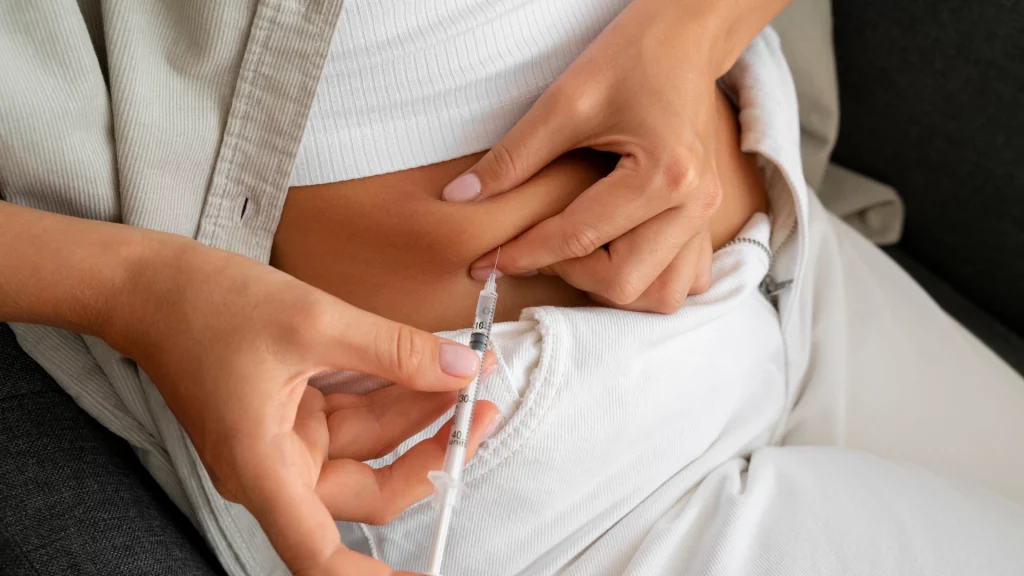
Once cleared, the ovarian stimulation phase begins. Donors self-administer hormone injections at home each day for 10 to 14 days. The injections are subcutaneous, meaning they go just under the skin. Most donors describe discomfort as minimal, similar to a small pinch.
Monitoring appointments during stimulation typically run 15 to 30 minutes each. The goal is to track follicle growth and hormone response so the medical team can adjust medication if needed and time the trigger shot precisely. For context, the full set of eligibility criteria for donation are outlined under donor requirements if you want to check them before applying.
Is the Egg Retrieval Process Painful?
During retrieval: no. Light sedation keeps donors fully comfortable. Most have no memory of the procedure and wake up in the recovery area without knowing it’s over.
After retrieval: mild discomfort is normal and expected. The ovaries have just been stimulated to produce multiple eggs and reduced in size during aspiration. Cramping and bloating typically peak on retrieval day and ease over the following 24 to 48 hours.
Over-the-counter pain relievers help manage post-procedure discomfort. Aspirin should be avoided as it can increase bleeding. Ibuprofen or acetaminophen at standard doses is typically sufficient.
Plan for a full rest day on the day of retrieval. Most donors feel well enough by the next morning to resume normal activity, but having the day completely clear removes any schedule pressure. Arrange a driver in advance. You will not be able to drive after sedation.
After Egg Retrieval: What Recovery Looks Like
Recovery after the egg retrieval process is typically short. Here’s what to expect at each stage.
- Day of retrieval. Rest at home. Mild to moderate cramping and bloating are normal. Light spotting may occur. Avoid strenuous activity, alcohol, and driving.
- Days 1 to 2 post-retrieval. Most donors return to normal activity within 24 to 48 hours. Bloating usually subsides as the ovaries return to normal size. Continue to avoid intense physical activity.
- Days 3 to 7. Full return to normal in most cases. Your next menstrual cycle typically arrives within 2 weeks. Contact the medical team if symptoms worsen rather than improve.
A more detailed breakdown of the recovery timeline, including what to watch for and when to call the clinic, is covered under egg donation pros and cons for donors weighing what the full process involves.
Potential Risks and Side Effects of Egg Retrieval

Egg retrieval is generally a safe outpatient procedure, but it does carry some risks that donors should understand before starting the process.
Common side effects after retrieval include cramping, bloating, light spotting, fatigue, and nausea from sedation. These are expected and typically resolve within a few days.
The more serious but rare risk is Ovarian Hyperstimulation Syndrome (OHSS). This occurs when the ovaries respond more strongly than expected to stimulation medications. Mild OHSS involves discomfort and bloating that resolves on its own. Severe OHSS, which is rare, involves rapid weight gain, severe abdominal pain, and shortness of breath. Any of these symptoms require immediate medical attention.
The fertility team closely monitors donors during stimulation to detect early signs and adjust dosing if ovarian response is too strong. A small risk of infection or minor bleeding exists after any needle-based procedure; both are rare and manageable if identified promptly.
Ovarian Hyperstimulation Syndrome (OHSS) occurs in severe form in fewer than 2% of stimulation cycles, according to published clinical data. Mild OHSS is more common and self-resolving. Fertility specialists monitor hormone levels and follicle counts during every stimulation cycle specifically to identify and manage this risk before retrieval.
Interested in Donating?
The application covers your full medical history and takes about 15 minutes. Every medical cost and appointment is covered throughout the process.
Start Your ApplicationWhat Happens to Your Eggs After Retrieval
Once eggs are aspirated, embryologists immediately evaluate each one for maturity. Immature eggs cannot be vitrified or used in a transfer cycle. Only mature, metaphase II eggs proceed to cryopreservation.
Mature eggs are flash-frozen through vitrification, a rapid cryopreservation process that prevents ice crystal formation inside the cell. This is the critical point that determines long-term egg viability: how quickly and precisely the cooling happens affects whether the egg survives the thaw.
In 2022, Lucina donors achieved a 92.2% post-thaw egg survival rate, compared to a 63.5% industry average. The 89.1% ICSI fertilization rate that followed reflects how egg quality at retrieval and vitrification technique both contribute to final outcomes. The the 2014 ACOG committee opinion on mature oocyte cryopreservation covers the clinical standards that govern this process.
After vitrification, eggs are stored in cryogenic tanks at Lucina’s San Diego facility and shipped to partner fertility clinics worldwide using secure cryogenic transport. The donor’s role is complete at this point. What happens next happens at the intended parent’s clinic.
Where Egg Retrieval Fits in the Full Donation Process
The egg retrieval procedure sits in the middle of a longer journey. Before it, there’s the application, screening, and stimulation. After it, there’s recovery, compensation, and the option to donate again.
Standard egg donor screening takes 2 to 4 weeks and must be completed before any stimulation cycle begins. The full egg donation process covers all stages in order if you want an end-to-end view of what to expect.
Under American Society for Reproductive Medicine (ASRM) guidelines, donors can complete a maximum of 6 retrieval cycles over their lifetime. Lucina runs two compensation tiers: Standard donors earn $8,000–$15,000+ per cycle, and Iconic donors (graduates or current students of top-ranked universities) earn up to $50,000 per cycle.
What to Expect as a Lucina Egg Donor
The egg retrieval process at Lucina follows the same clinical standards used across all FDA-regulated egg banks. Every medical appointment and travel cost is covered. Donors are guided through each stage by a dedicated coordinator.
Most donors describe the experience as more manageable than they expected. The stimulation phase requires the most daily commitment, but the procedure itself is brief and recovery is quick. For donors considering multiple cycles, the process becomes more familiar with each round.
The application takes about 15 minutes. If you’d like more context before applying, why donors choose Lucina covers the details.
Apply to Donate Eggs With Lucina
The egg retrieval process takes 20 to 30 minutes. The full cycle runs 6 to 10 weeks. All medical appointments and travel are covered. Apply in 15 minutes to see if you qualify.
$8,000–$15,000+ per cycle (Standard) · Up to $50,000 per cycle (Iconic) · 3,500+ screened donors
All medical and travel costs covered. Compensation paid after retrieval. Up to 6 donation cycles allowed per ASRM lifetime guidelines.
Frequently Asked Questions

Julianna Nikolic
Chief Strategy Officer Julianna Nikolic leads strategic initiatives, focusing on growth, innovation, and patient-centered solutions in the reproductive sciences sector. With 26+ years of management experience and a strong entrepreneurial background, she brings deep expertise to advancing reproductive healthcare.

Table of Contents
- What the Egg Retrieval Process Involves
- The Egg Retrieval Process Timeline: How Long Each Stage Takes
- The Egg Retrieval Process, Step by Step
- Preparing for Egg Retrieval
- Is the Egg Retrieval Process Painful?
- After Egg Retrieval: What Recovery Looks Like
- Potential Risks and Side Effects of Egg Retrieval
- What Happens to Your Eggs After Retrieval
- Where Egg Retrieval Fits in the Full Donation Process
- What to Expect as a Lucina Egg Donor
- Frequently Asked Questions