
Polycystic ovary syndrome (PCOS) is one of the most common conditions that affects egg donation eligibility. If you’ve been diagnosed with PCOS and are wondering whether you can donate eggs with PCOS, the honest answer is: usually not, but the specifics matter.
This guide explains exactly why PCOS creates problems for egg donation, which aspects of the condition are most relevant to eligibility, and what the actual evaluation process looks like. The most common question, whether you can donate eggs with PCOS, is answered at the top.
A PCOS diagnosis creates real challenges for egg donation eligibility, primarily through elevated OHSS risk, unpredictable stimulation response, and hormonal imbalance. Whether you can donate depends on the severity of your symptoms, your hormone levels, and your cycle regularity, not on the diagnosis label alone.

Whether you are evaluated individually depends on the severity of your PCOS, your hormone levels, and your overall health profile. The only way to know for certain is to apply and go through screening.
What Is PCOS and Why Does It Matter for Egg Donation?
PCOS is a hormonal disorder affecting the ovaries. It’s characterized by elevated androgens (male hormones), irregular or absent ovulation, and the presence of multiple small follicles on the ovaries visible on ultrasound. According to the World Health Organization (WHO), PCOS affects an estimated 8–13% of women of reproductive age globally.
Egg donation requires the donor’s ovaries to respond predictably to stimulation medications, produce multiple mature eggs, and do so without creating serious medical risk. PCOS disrupts each of these three things in ways that matter directly to donor safety and egg viability.
Why PCOS Affects Egg Donation Eligibility
There are five specific mechanisms through which PCOS creates problems for egg donation. Understanding each one helps explain why the condition is taken so seriously during screening.
1. Elevated Risk of Ovarian Hyperstimulation Syndrome (OHSS)
This is the primary safety concern. OHSS is a potentially serious reaction to the fertility medications used in the stimulation phase, where the ovaries become swollen and fluid can leak into the abdomen and chest. Severe OHSS requires hospitalization in rare cases.
Women with PCOS face sharply elevated risk of OHSS because they typically have a large number of small antral follicles ready to respond to stimulation. Research published in Fertility and Sterility has documented that PCOS is one of the strongest independent risk factors for severe OHSS during assisted reproduction cycles.
Because donor safety is the priority, this elevated risk alone is often sufficient for disqualification.
2. Unpredictable Response to Stimulation Medications
Egg donors take follicle-stimulating hormone (FSH) injections for 10 to 14 days to encourage the ovaries to mature multiple eggs. In donors without PCOS, this response is relatively predictable and controllable through monitoring and dosage adjustment.
In women with PCOS, the response is often erratic. Some produce far too many follicles simultaneously, driving OHSS risk. Others don’t respond adequately despite normal dosing. This variability makes it difficult for the medical team to control the stimulation cycle safely and reliably, which is a prerequisite for donation.
3. Hormonal Imbalance and Androgen Overproduction
PCOS is characterized by elevated androgens, hormones like testosterone that are present in all women but at higher levels in PCOS. This hormonal environment disrupts the normal development of follicles, making it harder for eggs to reach full maturity.
Egg donation programs require consistent, measurable hormone profiles as part of the screening process. Donors whose hormone panels fall outside the normal ranges, as is common with PCOS, often don’t meet screening criteria regardless of other factors.
4. Irregular Menstrual Cycles
Lucina’s egg donor requirements include regular menstrual cycles when off hormonal suppression. This requirement exists because cycle regularity indicates that ovulation is occurring predictably, a prerequisite for timing the stimulation and retrieval phases accurately.
Many women with PCOS have irregular or absent periods due to anovulation (cycles where no egg is released). This alone is often a disqualifying factor, as it signals the hormonal irregularity that makes stimulation unpredictable.
5. Immature Follicles and Reduced Viable Egg Count
In PCOS, the ovaries often contain many small follicles that arrest their development before reaching full maturity. A high antral follicle count might look positive, but the follicles in PCOS frequently don’t respond to maturation signals the way healthy follicles do.
This results in a lower proportion of mature, viable eggs relative to the total follicle count. Egg donation requires consistently retrievable, mature MII oocytes, and PCOS makes this outcome less reliable.
Does Severity Matter? Individual Clinical Evaluation
PCOS exists on a spectrum. A woman with a formal PCOS diagnosis but regular cycles, normal hormone panels, and well-controlled symptoms is a different clinical picture from someone with severely irregular cycles, elevated androgens, and a high antral follicle count on ultrasound.
No blog post can determine your egg donation eligibility. PCOS covers a wide range of presentations.
If you have a PCOS diagnosis but regular cycles and otherwise meet the basic requirements, apply and let the medical screening process decide. The medical team evaluates your specific hormone profile, cycle history, and ovarian reserve, not a diagnostic label alone.
The American Society for Reproductive Medicine (ASRM) guidelines on donor screening recommend evaluation of individual risk factors including antral follicle count, AMH levels, and hormonal parameters rather than categorical exclusion based on diagnosis alone.
In practice, most programs treat a PCOS diagnosis as a strong red flag that typically results in disqualification, but clinical judgment is applied on a case-by-case basis.
Have PCOS but regular cycles? Apply and let our medical team review your individual profile.
Start Your Application →What Egg Donation Screening Actually Looks For
Understanding what gets evaluated during screening helps clarify which aspects of PCOS are most likely to create problems. Lucina’s screening process covers all of these, and a PCOS diagnosis will prompt closer evaluation of each.
FSH, LH, AMH, estradiol, and androgen levels. PCOS typically produces elevated LH, elevated androgens, and often elevated AMH, all of which commonly fall outside the normal ranges for donor eligibility.
A transvaginal ultrasound counting resting follicles. An unusually high AFC (common in PCOS) is a direct marker for elevated OHSS risk and will be flagged during screening.
Regularity of cycles when off hormonal contraception. Irregular or absent periods indicate anovulation, which is a direct disqualifier for egg donation.
Full medical and family health history. Prior OHSS episodes, insulin resistance, or metabolic complications associated with PCOS are all evaluated as part of this review.
For the complete list of eligibility criteria, the egg donation disqualifiers guide covers every category in detail.
If PCOS Disqualifies You From Donating
If you go through screening and are not eligible to donate due to PCOS, that outcome is about protecting your health, not a reflection of your value as a potential donor. The stimulation process carries real medical risk for women with PCOS, and responsible egg banks don’t proceed when that risk is elevated.
For a full picture of what the process involves, our egg donation pros and cons guide covers both sides honestly.
A few things worth knowing:
- PCOS doesn’t affect your own fertility prospects long-term. A PCOS diagnosis doesn’t mean you can’t have children. Many women with PCOS conceive with medical support or naturally. Your reproductive health beyond donation is a separate question from donation eligibility.
- PCOS management may change your picture over time. Some women whose PCOS is actively managed (with regular cycles restored and hormones stabilized) may be in a different clinical position later. If circumstances change, it’s worth discussing with a fertility specialist.
- The referral program remains open. If you know someone who meets the eligibility criteria, Lucina’s milestone-based referral program offers up to $1,000 for a Standard donor referral, up to $3,000 for an Iconic donor from a top-20 university, and up to $10,000 for an Iconic donor from a top-10 university.
Should You Apply if You Have PCOS?
If you have a PCOS diagnosis but have regular cycles and otherwise meet the basic requirements (age 19–31, healthy BMI, non-smoker, no disqualifying genetic conditions), it’s worth applying to donate eggs with PCOS and letting the medical screening process make the determination.
The application takes about 15 minutes. If the initial screen flags PCOS-related concerns, the medical team will assess your specific hormone profile and cycle history. A formal PCOS diagnosis doesn’t automatically end your application; the screening data will. For a full walkthrough, see our egg donor screening guide.
We cover all travel and medical costs, and you’ll hear back within 72 hours. Start your application.
Apply to Donate Eggs With Lucina
PCOS is reviewed individually, not as an automatic disqualifier. If you have regular cycles and meet basic requirements, apply and let our medical team evaluate your specific hormone profile and cycle history.
$8,000–$15,000+ per cycle (Standard) · Up to $50,000 per cycle (Iconic) · 3,500+ screened donors
All medical and travel costs covered. Compensation paid after retrieval. Up to 6 donation cycles allowed per ASRM lifetime guidelines.
Frequently Asked Questions
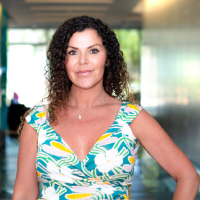
Julianna Nikolic
Chief Strategy Officer Julianna Nikolic leads strategic initiatives, focusing on growth, innovation, and patient-centered solutions in the reproductive sciences sector. With 26+ years of management experience and a strong entrepreneurial background, she brings deep expertise to advancing reproductive healthcare.