Egg Donor Diversity: Why Representation Matters in Donor Egg Banks
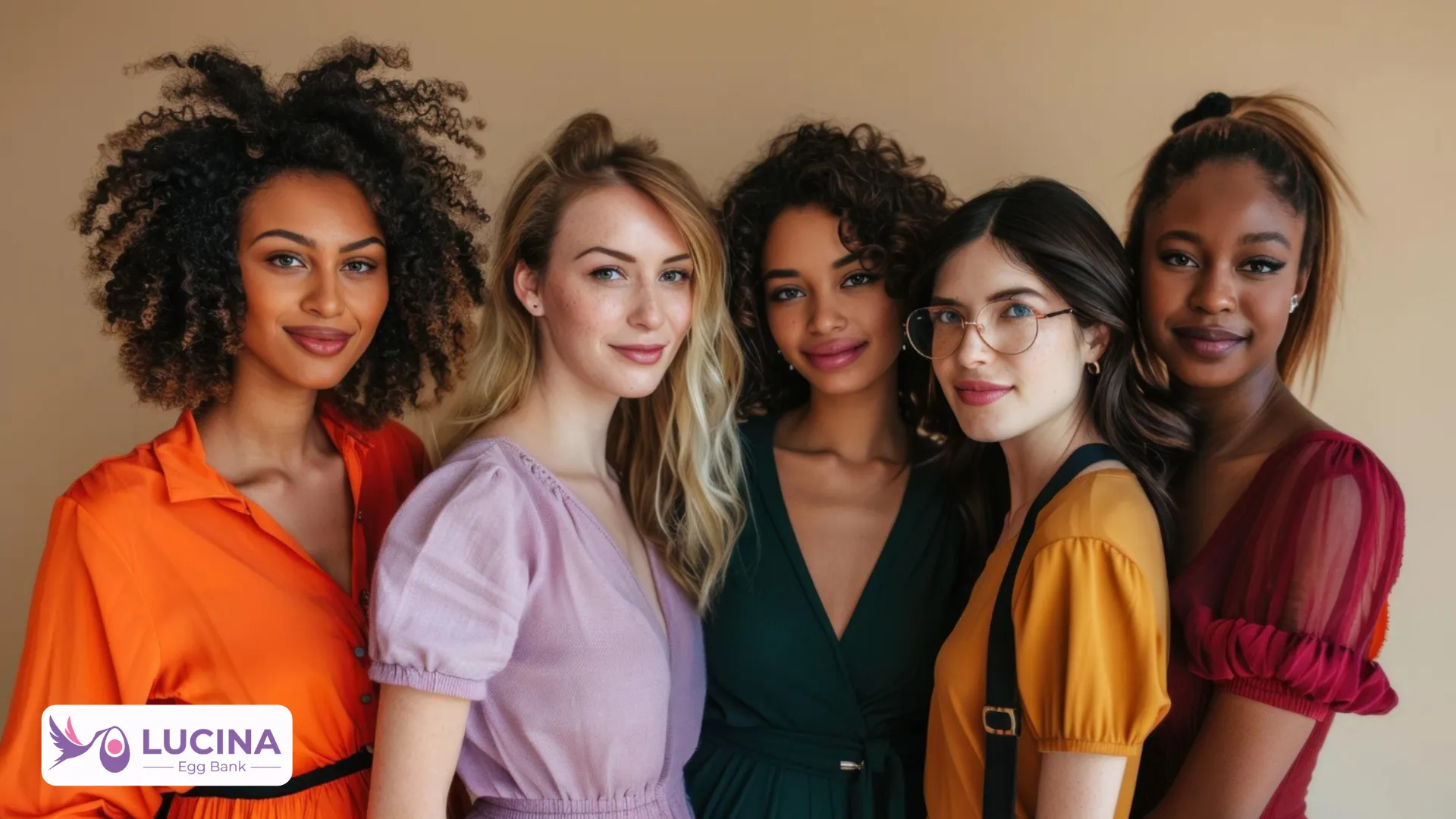
When intended parents begin searching for an egg donor, one of the most common hopes is finding someone who shares their background. For many families, that connection matters — not just physically, but culturally.
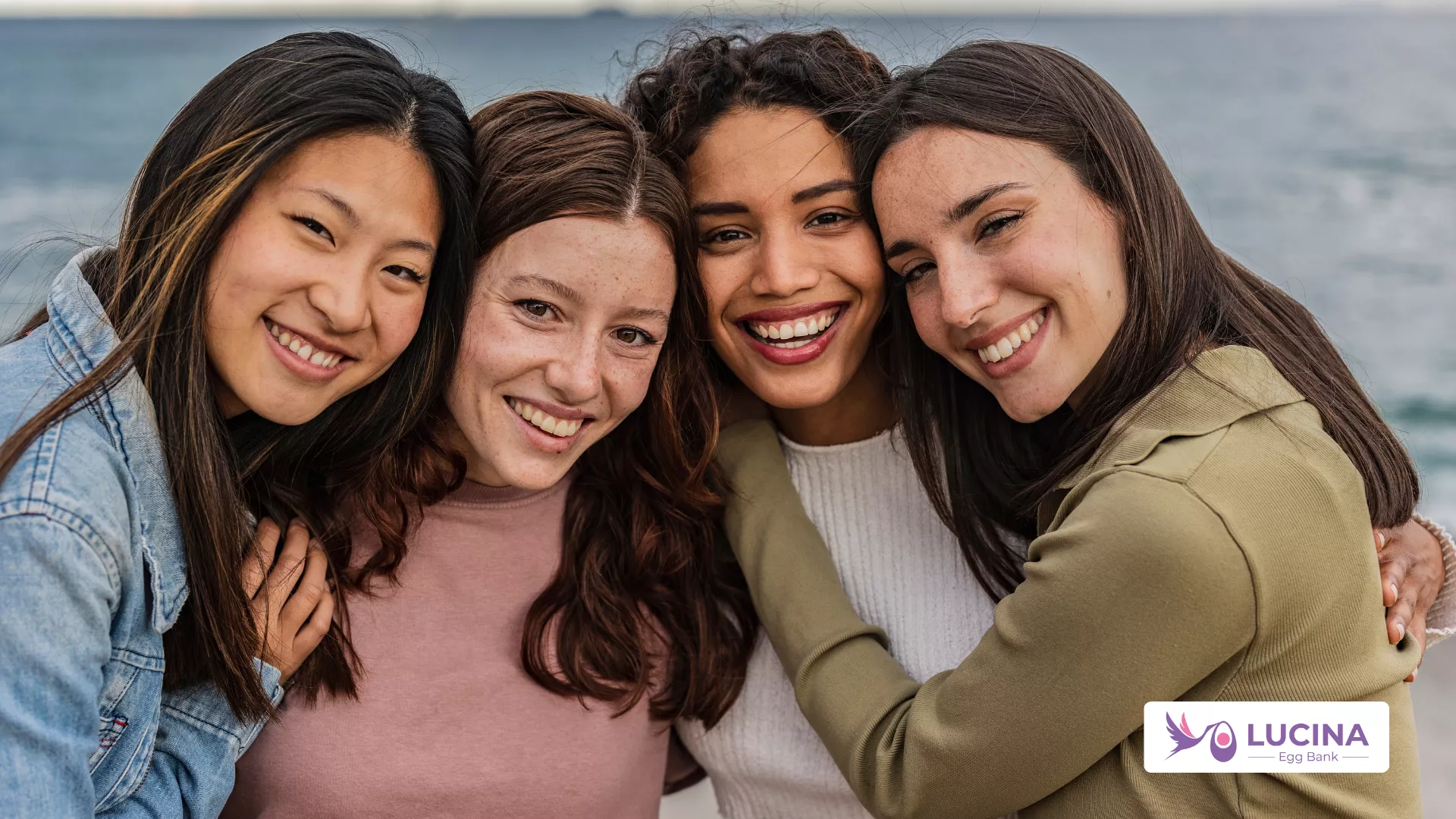
It’s why egg donor diversity matters so much. Across U.S. donor egg banks, the representation of certain communities — particularly Black/African American and Asian donors — hasn’t kept pace with the families searching for them.
This article covers what the data shows, why the gap exists, what it means for intended parents searching now, and what women from underrepresented backgrounds should know if they’re considering donating. At Lucina Egg Bank, representation shapes what’s possible for the families we serve — and we think both sides of this conversation deserve honest information.
What the Research Actually Shows
A peer-reviewed cross-sectional study analyzed publicly available donor profile data from 12 U.S. donor egg banks, covering 1,574 donors. Data was captured between 2019 and 2020, and the study was published in 2022 in a reproductive medicine journal.
It compared the racial and ethnic composition of donor pools against two benchmarks: the U.S. population of women in the donor-eligible age range, and the demographic makeup of people actually using donor egg IVF.
The gaps for two groups were pronounced.
Source: Peer-reviewed cross-sectional analysis, 12 U.S. donor oocyte banks, data 2019–2020, published 2022. N=1,574 donors.
The Asian gap is even wider than the headline figure suggests. One of the 12 banks in the study had a specific focus on Asian donor recruitment. When it was excluded from the analysis, Asian representation in the remaining pools dropped to just 2.8%.
Most U.S. egg banks, in other words, have very few Asian donors at all.
The same study also looked at why donors donate. Across 1,574 profiles, 80.5% cited “helping others” as a reason for donating. The authors note this reflects what banks collect and display on profiles, but it aligns with broader research on donor motivation.
ASRM’s Ethics Committee has also weighed in here. Its published guidance cites survey data where 88% of compensated donors said helping someone was “the best thing” about donating — even when they were also compensated for their time. Compensation and altruism coexist. They don’t displace each other.
Why the Gap Exists — and Why It Is Not Simple
There’s no single explanation for underrepresentation in donor pools. The reality involves a mix of factors — historical, cultural, and practical — and none of them say anything about the generosity or values of the women in those communities.
- Outreach hasn’t always been equitable. For decades, egg donation marketing concentrated in specific channels: campus flyers at predominantly white universities, ads in particular publications, outreach through fertility clinic networks serving certain demographics. Women outside those spaces simply didn’t see the information.
- Cultural conversations around donation vary. In some communities, discussions about egg donation or reproductive medicine aren’t common. Stigma, privacy concerns, or unfamiliarity with the process can make donation feel uncertain. Those are legitimate feelings, not deficits to be corrected.
- Trust in medical institutions isn’t uniform. For Black women in particular, historical experiences with medical institutions — including well-documented cases of exploitation and mistreatment — have created real and reasonable reasons for caution. That context matters. It’s something egg banks have a responsibility to take seriously through transparent practices and genuine care for every donor’s wellbeing.
- Awareness of compensation varies widely. Many women who would be excellent candidates simply don’t know the process exists or what it pays. That information hasn’t always reached the people who could benefit most from it.
Understanding why a gap exists is very different from placing responsibility for closing it on any individual. Every woman who donates is making a deeply personal decision. That decision belongs to her alone.
What This Means If You’re an Intended Parent
For intended parents from South Asian, Indian, East Asian, and Black/African American backgrounds, the representation gap affects the search in concrete ways.
Fewer donors from a specific background means fewer profiles to choose from. An already emotional search becomes harder.
Some parents describe feeling invisible in spaces that don’t seem designed for them. Others find a donor who feels right, only to learn she’s no longer available. These aren’t abstract concerns. A few things are worth knowing if you’re in this position.
- Diversity in donor pools is growing. Representation isn’t where it needs to be yet. But awareness of this gap — including peer-reviewed research on it — is growing. More egg banks, including Lucina, are actively working to expand and diversify their donor communities.
- Ethnicity isn’t the only path to connection. Many intended parents find that once they look at full donor profiles — medical history, values, personality, interests, education, and photos — the connection they’re looking for reveals itself in ways that go beyond a single data field. That said, ethnicity matters to many families, and that’s completely valid.
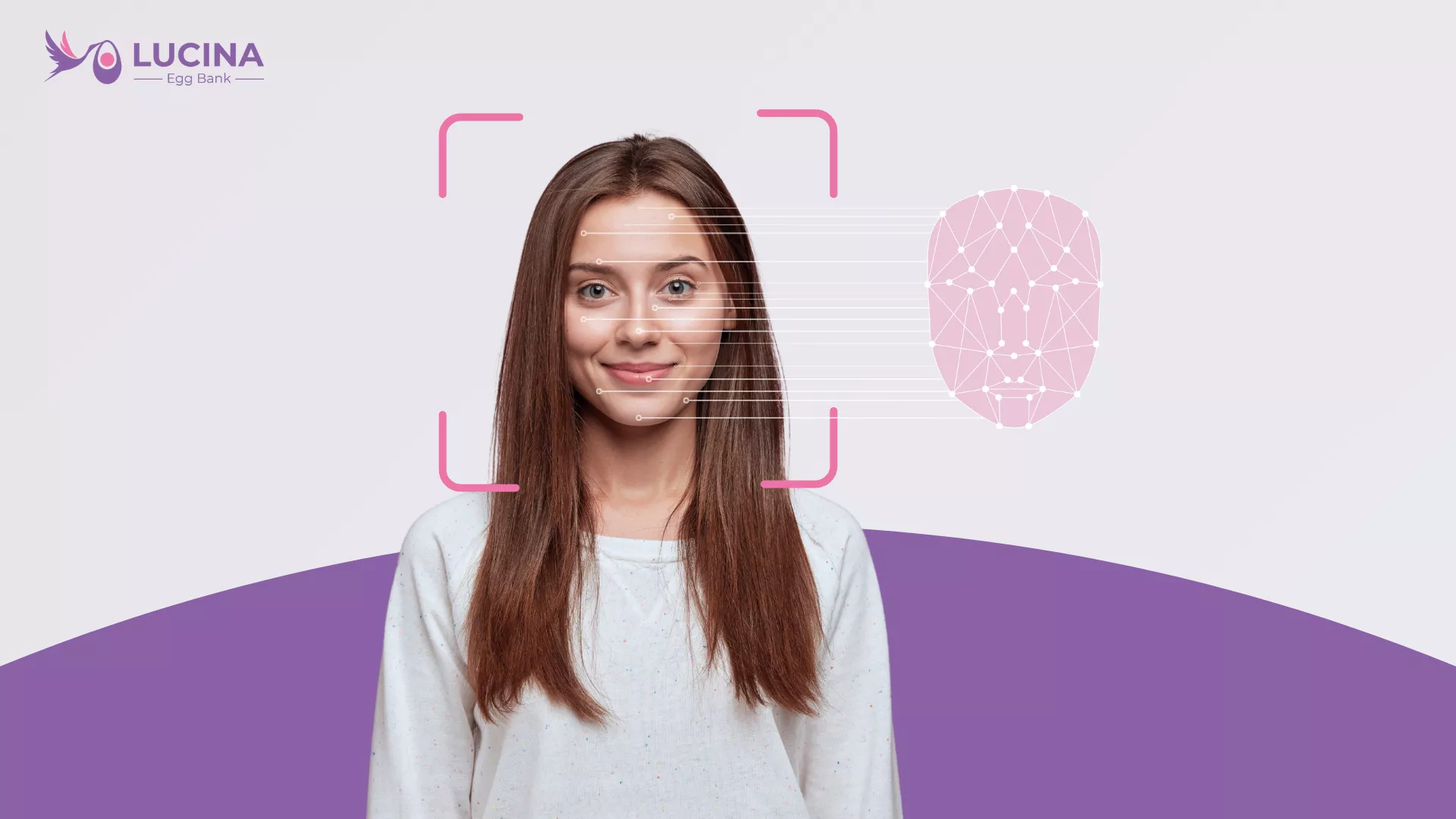
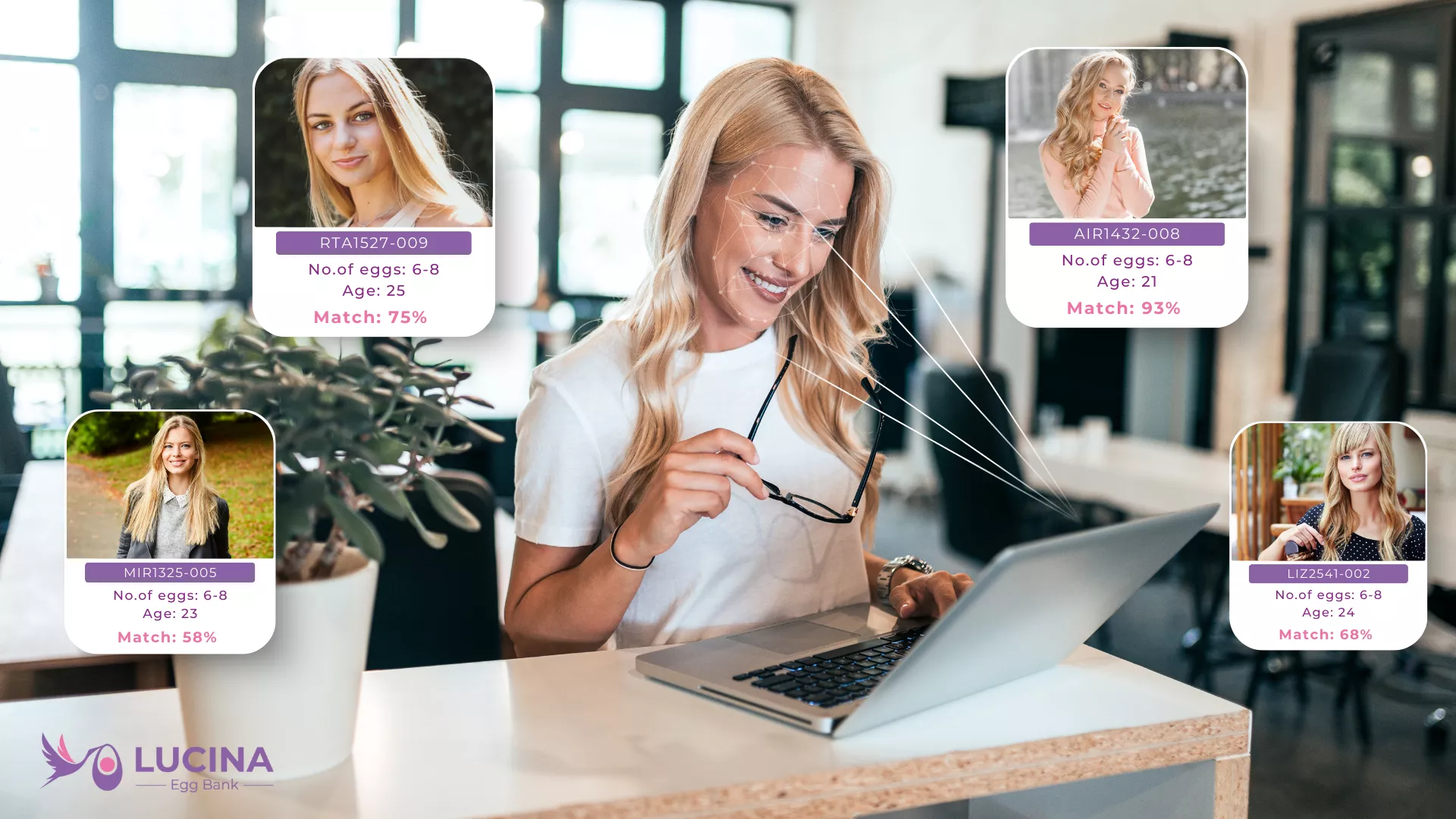
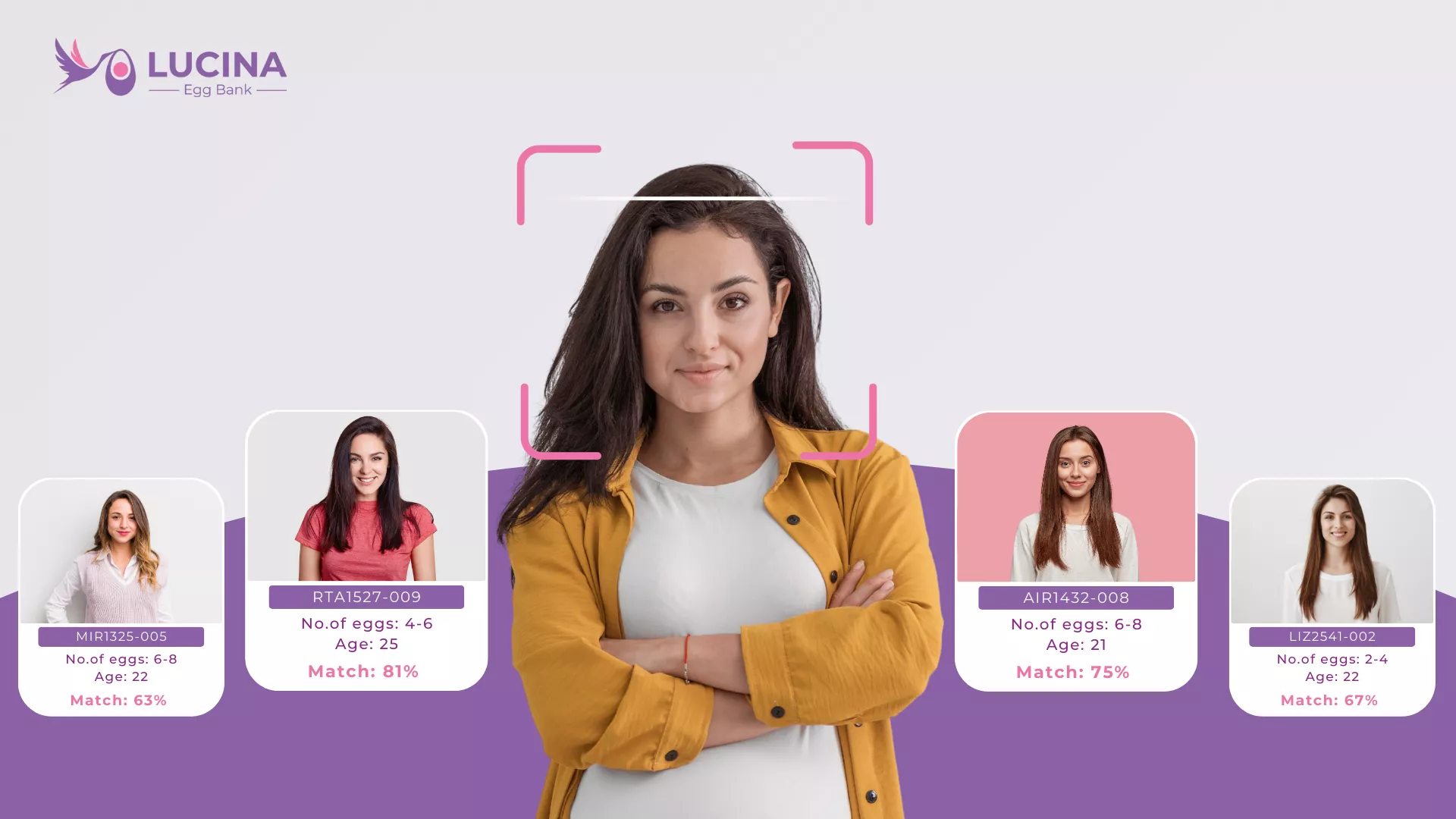
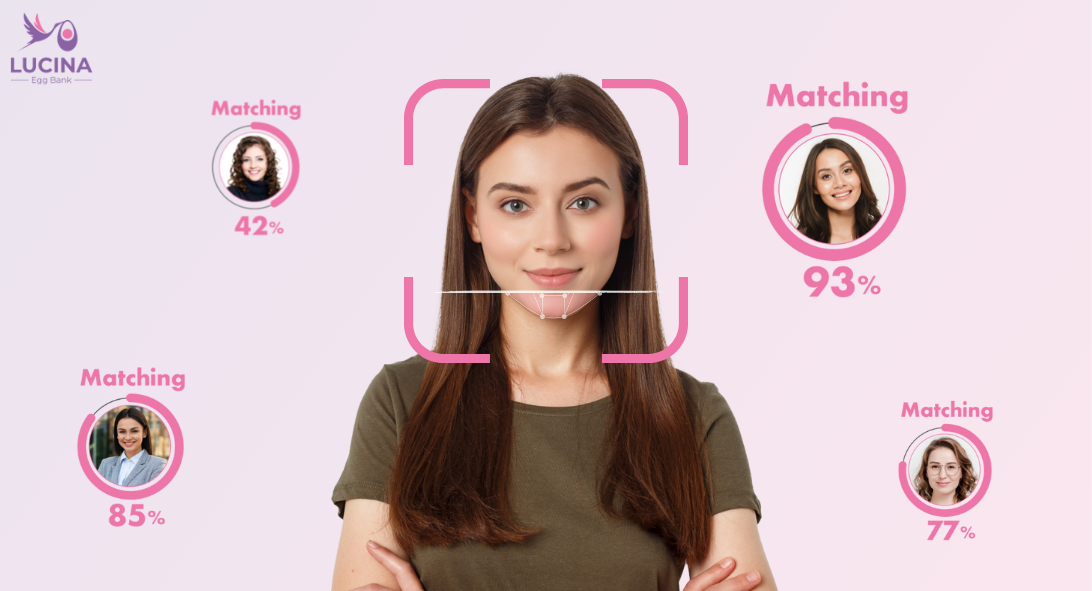
- AI matching helps when the pool is smaller. Our ReflEggction® AI donor matching tool uses facial recognition and phenotypic analysis to find donors who share physical resemblance with the intended parent. It reduces search time by up to 70%. When you’re working with fewer options, that precision matters more, not less. Try ReflEggction AI at any point during your search.
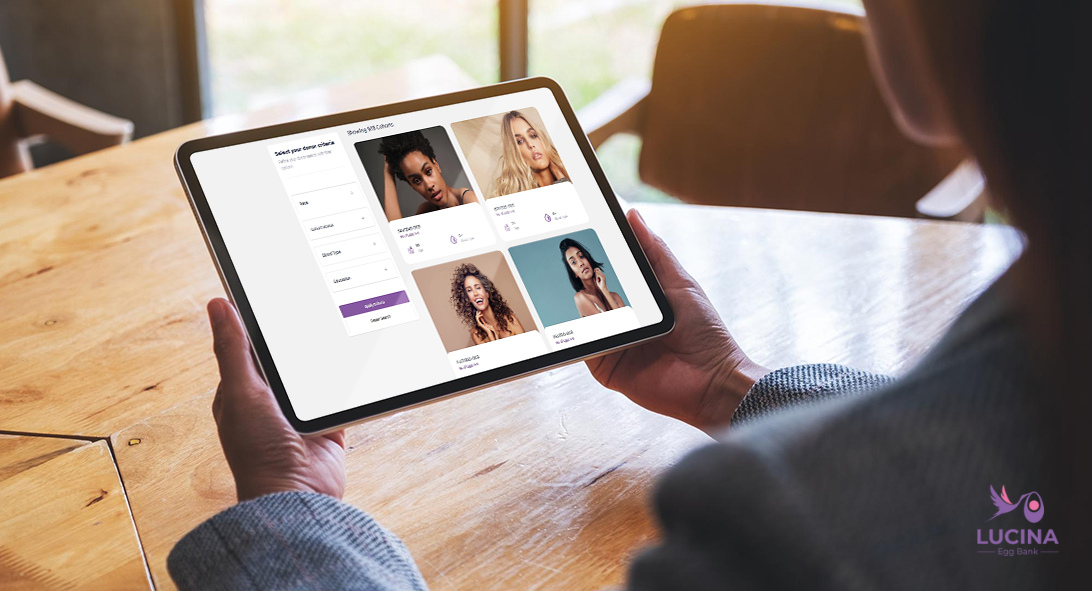
- Browsing costs nothing. Our full donor gallery — profiles, photos, medical histories, and backgrounds — is available with no upfront cost. Create a free account to see current availability. If you have questions about specific backgrounds, our team can give you an honest picture of what’s available.
If You’re Considering Donating
This section is for women thinking about egg donation themselves — particularly those from Black/African American, South Asian, Indian, or East Asian backgrounds.
First: this is a completely personal decision.
There is no obligation that comes with reading this article. Egg donation is a real physical and time commitment. Anyone who chooses to do it should do so because it feels right for them, full stop.
What we can share honestly is what we see on both sides. When a South Asian family has spent years searching and finally finds a donor who shares their heritage, that moment carries enormous weight. When a Black family has to expand their search further than they hoped, that experience is real too.
Donors from underrepresented backgrounds often don’t know the difference they make for certain families. That’s context, not pressure.
What Egg Donation Actually Involves
If you’re unfamiliar with the process, here’s an honest overview. The full commitment runs 6–10 weeks from application to retrieval.
The medical portion involves hormone injections over about 10–12 days to stimulate egg development, followed by a retrieval procedure under light sedation. Most donors return to normal activity within a day or two.
You can read a full breakdown of the egg donation process and what to expect at each stage.
Per donation cycle. Up to 6 cycles total. All medical and travel costs fully covered on top of compensation.
From application to retrieval. Appointments concentrate in the two weeks before retrieval. Scheduling works around your life.
In general good health, non-smoker, BMI within range. Full eligibility criteria are on the application page.
Donors don’t need to live in San Diego. Lucina coordinates travel and accommodates schedules — college semesters, work, clinical rotations, and other obligations. If you’ve wondered whether donation could work around your life, the answer is usually yes.
Common Questions From First-Time Donors
A few questions come up often from women who are new to the idea — particularly those who haven’t seen many people from their own background talk openly about it.
- “Will this affect my own fertility?” Research to date has not shown that egg donation affects a donor’s long-term fertility. The hormones stimulate eggs that would naturally be lost in that cycle anyway. Your own doctor can give you a fuller picture based on your individual history. We also cover this in detail in our article on donating eggs and having babies later.
- “Is this safe?” Egg donation is a medical procedure and, like all procedures, carries some risk. The most common side effect is mild to moderate discomfort during the hormone stimulation phase. Serious complications are uncommon. Lucina’s medical team monitors every donor throughout. Our guide to egg donation risks and side effects covers this honestly.
- “Will I know what happens to my eggs?” Lucina’s program is anonymous by default. You won’t have identifying information about the family who uses your eggs, and they won’t have identifying information about you. Some donors find this freeing. It’s worth thinking through before you apply.
- “Can I keep this private?” Yes. You choose how much to share and with whom. You’re not required to tell family members, friends, or employers. Many donors go through the entire process without telling anyone beyond a close support person.
What Greater Representation Actually Changes
When more women from diverse backgrounds choose to donate, the effect shows up in real moments.
A South Indian family who previously had almost no options suddenly has three donors to seriously consider. A Korean-American couple sees a profile that feels, for the first time, like someone who could be part of their story.
Representation also shifts who sees themselves as part of this space at all. When more women from a given background donate and feel well-supported through the process, the conversation within those communities changes. It becomes something talked about and considered — rather than invisible or unfamiliar.
More donors from more backgrounds means more options for more families, which means more conversations, which means more donors. It starts somewhere.
Learn More or Take the First Step
If you’re an intended parent searching for a donor who shares your background, our full gallery is free to browse with no upfront cost. Browse our donor pool and use ReflEggction AI to search by physical resemblance. Our team can give you an honest picture of what’s currently available.
If you’re considering donating, the application takes about 15 minutes and is a good first step toward getting real answers. There’s no commitment in applying.
Frequently Asked Questions
Julianna Nikolic
Chief Strategy Officer Julianna Nikolic leads strategic initiatives, focusing on growth, innovation, and patient-centered solutions in the reproductive sciences sector. With 26+ years of management experience and a strong entrepreneurial background, she brings deep expertise to advancing reproductive healthcare.

Table of Contents
- What the Research Actually Shows
- Why the Gap Exists — and Why It Is Not Simple
- What This Means If You're an Intended Parent
- If You're Considering Donating
- What Egg Donation Actually Involves
- Common Questions From First-Time Donors
- What Greater Representation Actually Changes
- Learn More or Take the First Step
- Frequently Asked Questions