
You’ve researched the injections, the monitoring appointments, and the retrieval itself. But now you’re wondering what happens after. How long is the egg donation recovery time, really? Will you need a week off work or just a day? And when will the bloating finally go away?
These are fair questions. At Lucina Egg Bank, we guide every donor through this process, and we know the recovery phase is often where uncertainty spikes. So here’s the honest breakdown of what your body goes through after egg retrieval, day by day, and what you can do to bounce back faster.
How Long Is Egg Donation Recovery Time?
The retrieval procedure takes about 20 to 30 minutes under light sedation, and you won’t feel anything during it. Afterward, you’ll spend about an hour in a recovery room while the anesthesia wears off. If you want the full picture of what leads up to this, our guide to the egg retrieval process walks through each step.

Someone will need to drive you home, because sedation affects your reflexes for the rest of the day.
Once home, the real egg donation recovery time begins. Most donors feel well enough to return to work or school the next day. A few need an extra day or two. And nearly everyone reports feeling completely back to normal within a week, with the final checkpoint being your next period, usually 10 to 14 days after retrieval.
For most donors, full recovery takes 5 to 7 days. You’ll likely feel ready for normal activities within 24 to 48 hours, but bloating and mild discomfort may linger for several more days. Your body is fully recovered once your next period arrives, typically 1 to 2 weeks after the procedure.
Day-by-Day Recovery Timeline
Recovery doesn’t follow an exact script, and every donor’s body responds differently. Based on feedback from past donors, here’s a realistic picture of what each stage tends to look like.
Retrieval Day: The First Few Hours
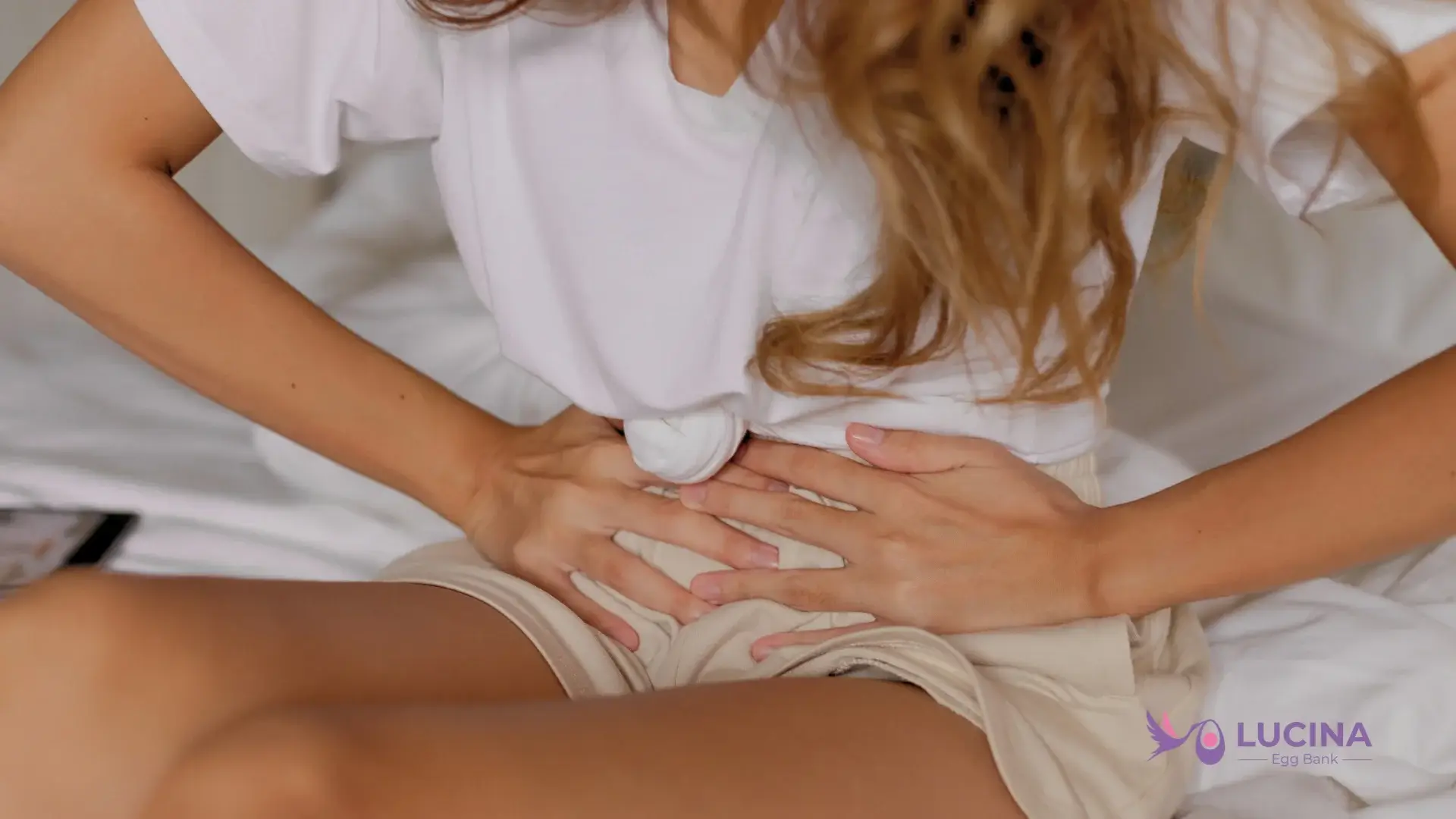
Right after the procedure, you’ll feel groggy, and that’s normal. Some donors describe it as feeling foggy or spacey for a few hours. You might also feel mild cramping, similar to the first day of your period.
Your compensation is paid after retrieval, so that part is handled. Your support person then drives you back to your hotel, where the best thing you can do is rest. Avoid big decisions, heavy meals, and anything that requires concentration.
Day 1: Rest and Hydration
The sedation fog clears by morning. You may still feel some abdominal tenderness and bloating. Light spotting is common and nothing to worry about. Many donors feel well enough to walk around, eat normally, and watch movies.
We recommend staying hydrated with water and electrolyte drinks like Gatorade or coconut water. The fluids help your body flush out the hormones and reduce bloating faster. Avoid alcohol, strenuous activity, and lifting anything heavy.
Days 2-3: The Peak
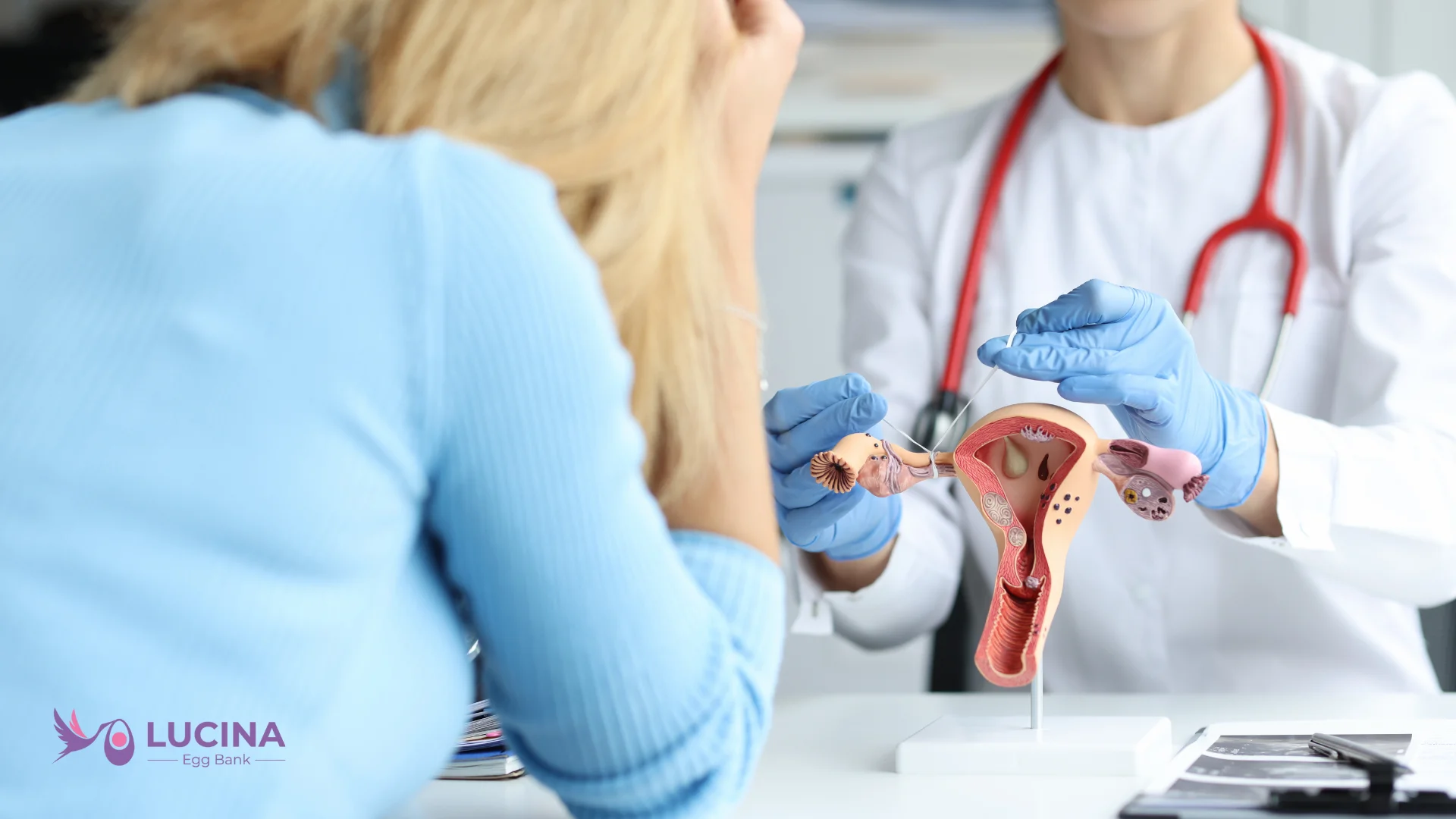
Most people don’t warn you about this part: days 2 and 3 often feel worse than day 1. Bloating and cramping may actually peak during this window. Your ovaries are still enlarged and tender from producing multiple eggs, and it takes a few days for them to start returning to normal size.
This is also when constipation sometimes kicks in. The combination of hormonal shifts, sedation, and reduced physical activity can slow digestion. Eating fiber-rich foods like avocados, lentils, and leafy greens helps. Some donors take a gentle stool softener.
Start drinking electrolyte-rich fluids about a week before your retrieval, not just after. This gives your body a head start on handling the hormonal changes and often reduces post-retrieval bloating.
Days 4-7: Gradual Improvement
By day 4, most donors notice the bloating starting to subside. Cramping becomes lighter. Energy levels improve. You can usually return to light exercise like walking, though running, lifting weights, and intense workouts should wait until your doctor clears you.
Hold off on sexual activity during this window. Your ovaries are still recovering, and intercourse could cause discomfort or increase the risk of complications. Your medical team will give you specific guidance on when it’s safe to resume.
Week 2: Your Period Returns
Your next period usually arrives 10 to 14 days after retrieval. When it does, your body has officially reset. Hormone levels are back to baseline, your ovaries have returned to normal size, and you’re cleared to resume all activities.
Some donors report this period is heavier or more crampy than usual, and that’s normal. The stimulation medications temporarily alter your cycle, and your body is catching up. Future cycles should return to your regular pattern.
Common Symptoms and What They Mean
Knowing what’s normal makes recovery less stressful. Here’s what most donors experience during the egg donation recovery time, and what each symptom signals about your body.
- Bloating. Your ovaries produced multiple eggs instead of just one. They’re temporarily enlarged, taking up more space in your abdomen. The swelling goes down as your hormone levels normalize.
- Cramping. Similar to period cramps, this comes from your ovaries being manipulated during retrieval. Over-the-counter pain relievers like Tylenol or ibuprofen usually handle it well.
- Fatigue. Your body just went through hormonal stimulation and a medical procedure. Rest is genuinely productive right now.
- Light spotting. The retrieval needle passes through the vaginal wall to reach your ovaries. A small amount of spotting for a day or two is expected.
- Mood shifts. Hormone fluctuations can temporarily affect your emotions. This stabilizes once your cycle returns to normal.
- Breast tenderness. The same hormones that stimulated your ovaries can cause temporary breast sensitivity. It resolves as your body adjusts.
When to Contact Your Medical Team
The symptoms above are all normal parts of recovery. But certain signs warrant immediate attention. If you experience any of the following, contact your clinic or our donor coordinator right away.
- Severe abdominal pain. Mild cramping is expected. Sharp, worsening pain is not.
- Rapid weight gain. Gaining more than 2 pounds in 24 hours could indicate fluid accumulation.
- Difficulty breathing or shortness of breath. This may signal fluid buildup in the abdomen pressing on your diaphragm.
- Decreased urination. If you’re drinking fluids but not urinating normally, your body may be retaining fluid.
- Persistent nausea or vomiting. Occasional nausea from anesthesia is normal. Ongoing nausea that prevents eating is not.
- Fever over 101°F. This could indicate infection and needs medical evaluation.
These symptoms could indicate Ovarian Hyperstimulation Syndrome (OHSS), a condition where the ovaries respond too strongly to stimulation medications. According to the American Society for Reproductive Medicine (ASRM), severe OHSS affects fewer than 2% of donors. When caught early, it’s treatable and resolves within 7 to 10 days.
Your medical team monitors you closely throughout the stimulation phase specifically to reduce OHSS risk. Modern medication protocols and careful dosing have made severe complications rare. If something feels wrong, call. Medical professionals would rather hear a false alarm than miss a real concern.
How to Speed Up Your Recovery
Your body does the heavy lifting during recovery. But you can support the process with a few practical steps.
Prioritize Hydration
Drink at least 8 to 10 glasses of water daily, plus electrolyte drinks. The extra fluids help your body flush out residual hormones and reduce bloating faster. Coconut water, Gatorade, and Pedialyte are all good choices. Avoid alcohol until you’re fully recovered.
Eat for Recovery
Stock up on protein-rich, high-fiber foods before your retrieval. Think chicken noodle soup, eggs, yogurt, beans, and vegetables. Salty foods like broths can help your body balance fluids. Avoid carbonated drinks and cruciferous vegetables like broccoli if you’re already bloated.
Rest Strategically
Take it easy the day of retrieval and the following day. But don’t stay completely immobile. Light walking helps relieve bloating and improves digestion. Sleeping slightly elevated with pillows under your arms can reduce abdominal pressure.
Wear Comfortable Clothing
Loose, stretchy pants with no waistband pressure make bloating more tolerable. Save the skinny jeans for next week. A heating pad on your lower abdomen can also soothe cramping.
Attend Your Follow-Up
Most clinics schedule a follow-up appointment about a week after retrieval. This visit confirms your ovaries are returning to normal size and your hormone levels have stabilized. Don’t skip it, even if you feel fine.
What Donors Actually Say
Reading about recovery is one thing. Hearing how it actually felt for past donors helps more. The accounts we hear most often describe the same arc, and it tends to match what new donors experience.
A common theme: the procedure itself is easy because you’re sedated, and the discomfort afterward feels like bad period pain for a few days. Several donors mention reaching for over-the-counter pain relief, and many say the sense of helping someone build a family made the temporary discomfort feel worth it.
The timeline they describe is consistent too: cramping for a few days, then back to normal within a week. Recovery involves real discomfort, but it’s temporary and manageable. Most donors find it easier than they expected going in.
Your Future Fertility Remains Intact
One of the biggest concerns donors have about egg donation recovery time is a simple one: does the process affect their ability to have children later? The short answer is no, it doesn’t, and it’s worth understanding before you become an egg donor.
During a natural cycle, your body recruits a group of eggs each month. Usually, only one matures and ovulates. The rest naturally dissolve. Stimulation medications rescue those eggs that would otherwise be lost, allowing them to mature for retrieval.
You’re not using up eggs you’d have used for your own pregnancies. You’re donating eggs your body would have absorbed anyway. According to ASRM patient resources, egg donation does not reduce your ovarian reserve or impact your future ability to conceive.
When Can You Donate Again?
If you’re considering multiple donation cycles, you’ll need to wait until your body fully recovers. Most fertility specialists recommend waiting at least two menstrual cycles, roughly 2 to 3 months, before starting another cycle. This gives your ovaries time to return to baseline and lets your hormonal system reset completely. The same donor requirements apply to each cycle.
With us, you can donate up to 6 times, following ASRM guidelines. Standard donors can earn up to $90,000+ in total across those cycles, and Iconic donors from top-ranked universities can reach up to $300,000+. Each subsequent cycle follows the same process, and many donors say the second time feels easier because they know what to expect.
Take the Next Step With Support
Egg donation recovery time is real but manageable. Most donors feel back to themselves within a week, with full hormonal reset happening when their period returns. And serious complications remain rare, affecting fewer than 2% of donors.
If you’re still weighing the decision, the recovery picture shouldn’t scare you off. It should prepare you. Knowing what’s coming makes the whole process easier to handle, and our breakdown of the pros and cons of donating can help you decide. You’ll also have a dedicated coordinator answering your questions at every stage.
Apply to Donate Eggs With Lucina
We cover all medical and travel costs and pair you with a coordinator who answers your questions before, during, and after retrieval. The application takes about 15 minutes, and we’ll let you know within days if you’re approved.
$8,000–$15,000+ per cycle (Standard) · Up to $50,000 per cycle (Iconic) · 1–3 day typical recovery
All medical and travel costs covered. Compensation paid after retrieval. Up to 6 donation cycles allowed per ASRM lifetime guidelines.
Frequently Asked Questions

Julianna Nikolic
Chief Strategy Officer Julianna Nikolic leads strategic initiatives, focusing on growth, innovation, and patient-centered solutions in the reproductive sciences sector. With 26+ years of management experience and a strong entrepreneurial background, she brings deep expertise to advancing reproductive healthcare.

Table of Contents
- How Long Is Egg Donation Recovery Time?
- Day-by-Day Recovery Timeline
- Common Symptoms and What They Mean
- When to Contact Your Medical Team
- How to Speed Up Your Recovery
- What Donors Actually Say
- Your Future Fertility Remains Intact
- When Can You Donate Again?
- Take the Next Step With Support
- Frequently Asked Questions