How to Choose the Best Donor Egg Bank in the USA: The Ultimate Checklist

Not every donor egg bank operates at the same standard. The difference between a good experience and a costly, frustrating one often comes down to questions most people don’t know to ask — until it’s too late.
This guide gives intended parents and prospective donors a practical framework for vetting any US egg bank before committing. We’ll walk through the criteria that actually matter, the red flags to watch for, and the 20 questions every best-in-class donor egg bank should answer without hesitation.
Why Vetting a Donor Egg Bank Matters
The stakes here are genuinely high. You’re investing money, time, and emotional energy into a process that can’t easily be undone if you choose the wrong partner. And the variance between egg banks is wider than most people expect.
- Medical standards vary. All legal US egg banks follow FDA requirements, but the best donor egg banks go further. They adhere to strict ASRM guidelines and perform genetic screening that exceeds the minimum requirements.
- Legal frameworks differ. A strong egg bank provides clear contracts that protect the parentage rights of intended parents and define the donor’s role precisely. Vague agreements create problems later.
- Transparency is rarer than it should be. Some egg banks withhold total costs until after you’ve signed up. Learning to spot hidden fees early can save you thousands of dollars.
How to Choose the Best Donor Egg Bank for Intended Parents
Whether you’re a domestic or international parent, your priority is results — quality eggs, honest communication, and a process that doesn’t leave you guessing. Here are the factors that separate the best donor egg banks from the rest.
1. Reputation and Longevity
New programs appear regularly. Longevity is one signal of stability — a bank that’s been operating for years has had time to refine its shipping, thawing, and matching protocols through real-world experience.
- Check years in business. An established presence matters more than a polished website.
- Read verified third-party reviews. Don’t rely solely on testimonials on the bank’s own site. Search independent forums to see how the bank handles problems, not just successes.
- Ask for reference contacts. Some top egg banks will connect you with past clients. Firsthand accounts give you information no marketing copy will.
2. The Donor Screening Process
The health of a future child starts with how carefully the donor was screened. This is where you should push for specifics, not generalities.
- Medical history should go deep. The best egg donor banks require at least three generations of family medical history. This surfaces hereditary risks that standard blood panels won’t catch.
- Genetic testing should be extensive. Standard programs screen for a limited range of conditions. Banks like Lucina Egg Bank run genetic testing that covers a broad range of heritable conditions — ask any bank you’re considering for their specific panel.
- Psychological evaluation is part of screening. Donors should complete a clinical interview with a mental health professional. This confirms they understand the commitment and are prepared for the process.
3. Legal Guidance and Support
This is especially important for international parents. Using a US egg bank involves cross-border considerations that a good bank should help you navigate.
- Contracts must be specific. The legal agreement should explicitly state that the donor has relinquished all parental rights and that intended parents are the sole legal parents from the outset.
- International shipping experience matters. If you’re shipping eggs to another country, the bank should have documented experience with medical couriers and customs requirements.
- Donors should have separate legal counsel. Ethical egg banks ensure the donor has her own independent attorney. This prevents conflicts of interest and strengthens the contract’s legal standing.
How to Choose an Egg Donor Bank as a Donor
If you’re considering donating, the bank you choose shapes your entire experience — your safety, your schedule, and what you walk away with. Here’s what to look for.
1. Focus on Your Safety
Your health comes first. While egg banks in the USA follow established safety protocols, not all of them go the same distance in protecting donors specifically.
- Ask about OHSS prevention protocols. Ovarian Hyperstimulation Syndrome (OHSS) is a known risk during stimulation. Modern protocols, including specific trigger approaches, have made serious cases uncommon — but ask what the bank uses.
- Confirm the complications insurance policy. The egg bank must provide coverage in the rare event that you need medical attention after retrieval. Get this in writing.
- Look for ongoing aftercare. A bank that stops communicating the moment retrieval ends is a red flag. You should have a point of contact available for questions throughout your recovery.
2. Evaluate the Compensation Model
Compensation varies, but the terms should always be transparent. Know exactly what you’ll be paid, when, and what’s covered separately before you sign anything.
- Base pay should be clearly stated. Standard US egg bank programs offer $8,000–$15,000+ per cycle. Be cautious of programs that promise significantly higher amounts without explaining the specific criteria.
- Tiered programs reward exceptional candidates. Lucina’s Iconic Donor Program offers compensation up to $50,000 per cycle for graduates of Ivy League and other top 20 universities, including those with bachelor’s, master’s, or doctorate degrees.
- All expenses are covered separately. Travel, accommodation, and medical appointments should be paid on top of your compensation. You should never have to pay anything out of pocket.
How to Evaluate Reviews and Testimonials

Reviews are a useful vetting tool when you know how to read them. A five-star average is a starting point, not a conclusion. The details in the text tell you far more.
Trust and Transparency
Positive reviews for egg banks consistently highlight one thing: honest communication. Parents and donors want to feel like a partner, not a transaction.
- Look for mentions of financial clarity. Reviewers who praise upfront cost breakdowns are signaling something important — it means there were no surprises.
- Access to information matters. At Lucina Egg Bank, you can browse full egg donor profiles at no cost before committing. Reviewers consistently mention how much this helps them feel confident in their choice.
Real-World Success Rates
Published stats on a bank’s website are self-reported. Reviews give you a ground-level view of current outcomes from people who went through the process recently.
- Look for frozen egg success stories. Recent accounts from parents who achieved pregnancy using frozen donor eggs confirm the bank’s current thaw-survival quality holds up in real cycles.
- Repeat donors are a good signal. When donors mention donating multiple times at the same bank, it means the medical team treated them well and the experience was worth repeating.
Customer Service and Support
Egg donation and donor egg IVF are emotionally complex. The support you receive from a bank’s team shapes your entire experience.
- Named staff mentions are a good sign. Reviews that reference specific coordinators by name typically indicate a culture of personalized care rather than a rotating support queue.
- Watch for “transactional” complaints. Multiple reviewers describing the bank as cold or sales-focused is a consistent warning. This process carries real emotional weight and the team should understand that.
Reading Negative Reviews
A negative review in isolation means little. Context is everything.
- Look for patterns, not outliers. One complaint about communication is an outlier. Five complaints about the same issue over the same period is a pattern worth taking seriously.
- Check the dates. A complaint from 2019 may not reflect how the bank operates today. Weight recent feedback more heavily.
- Watch how the bank responds. A defensive or dismissive reply to a negative review tells you more about the organization than the review itself does.
The Ultimate Vetting Checklist: 20 Questions to Ask
A reputable egg bank will answer every one of these directly. If they hesitate, deflect, or give vague answers, that tells you something.
1. Screening, Reputation, and Standards
- How long have you been operating? Experience in this field builds the protocols, relationships, and logistics that newer programs are still figuring out.
- What is your donor acceptance rate? A selective process means the donors in the pool passed a genuine screening, not just a basic application.
- Do you adhere to FDA and ASRM guidelines? These are the baseline safety standards for egg donation in the US.
- Do donor profiles include three generations of medical history? Depth of family history helps surface hereditary risks that standard panels miss.
- What is your thaw survival rate? For frozen donor egg banks, this is one of the clearest indicators of lab quality. Lucina achieved 92.2% in 2022.
2. Costs and Financial Transparency
- Can I see a line-by-line cost breakdown? Donor coordination, medical processing, and shipping should all be itemized separately.
- Do you offer a Blastocyst Guarantee? This ensures you end up with at least one usable embryo, not just eggs that didn’t develop.
- What is your replacement or refund policy? If a cohort yields no viable embryos, know in advance whether you’ll receive replacement eggs or a refund. Lucina’s Triple Guarantee Program covers this across three tiers.
- Are there non-refundable administrative fees? Know exactly what you’d forfeit if you left the program before your cycle began.
- Is shipping included in the quoted price? Cryogenic shipping is a specialized and expensive service. Confirm whether it’s bundled or an additional line item.
3. Legal, Ethical, and Future Rights
- Do you require separate legal counsel for both parties? The donor and the intended parents should each have independent legal representation before any contracts are signed.
- What is your anonymity policy? Open ID programs — where a donor-conceived child may contact the donor at 18 — are increasingly the recommended standard. Know the bank’s default position.
- Do you maintain permanent donor records? If a future medical situation requires donor contact, the bank needs to have a system for facilitating that.
- Do you track family limits per donor? Reputable banks limit how many families one donor can help in order to prevent inadvertent consanguinity.
- Are donors fully informed of all risks before starting? Ethical consent means the donor understands every step of the medical process before she agrees to begin.
4. Logistics and Support
- How quickly can you ship after matching? Once you’ve chosen a donor, you don’t want to wait months. Ask for a realistic timeline from match to clinic delivery.
- Who handles donor travel logistics? The bank’s team should manage all travel booking and coordination for donors — not leave that to the donor herself.
- Will I have a dedicated coordinator throughout? One consistent point of contact who knows your file is worth more than a general support inbox.
- Do you provide counseling resources? Access to mental health support for both intended parents and donors should be part of the program, not an afterthought.
- Do you assist with international customs paperwork? For parents receiving eggs outside the US, the bank should have experience managing import and export requirements for reproductive materials.
Bring this checklist to your consultation call. A bank that welcomes every question is one that’s confident in its process. One that deflects or rushes you past specifics is giving you useful information too.
What Sets Lucina Apart
Lucina Egg Bank was built to answer the questions on this checklist directly. Here’s how we measure up against each category.
- Screening. Every donor in our pool of 3,000+ passes genetic testing, a full medical exam, and a psychological evaluation — FDA-screened and ASRM-compliant throughout.
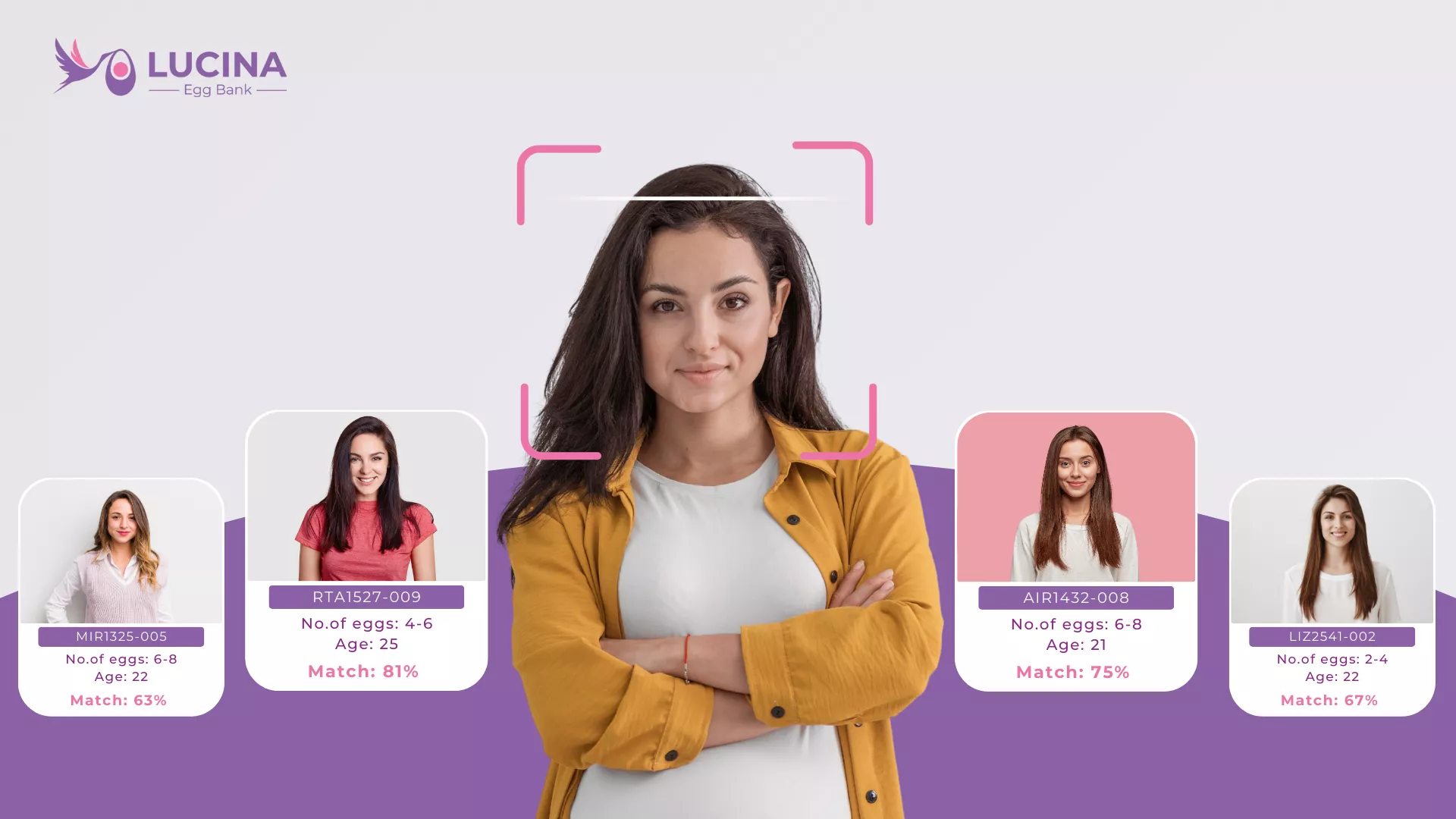
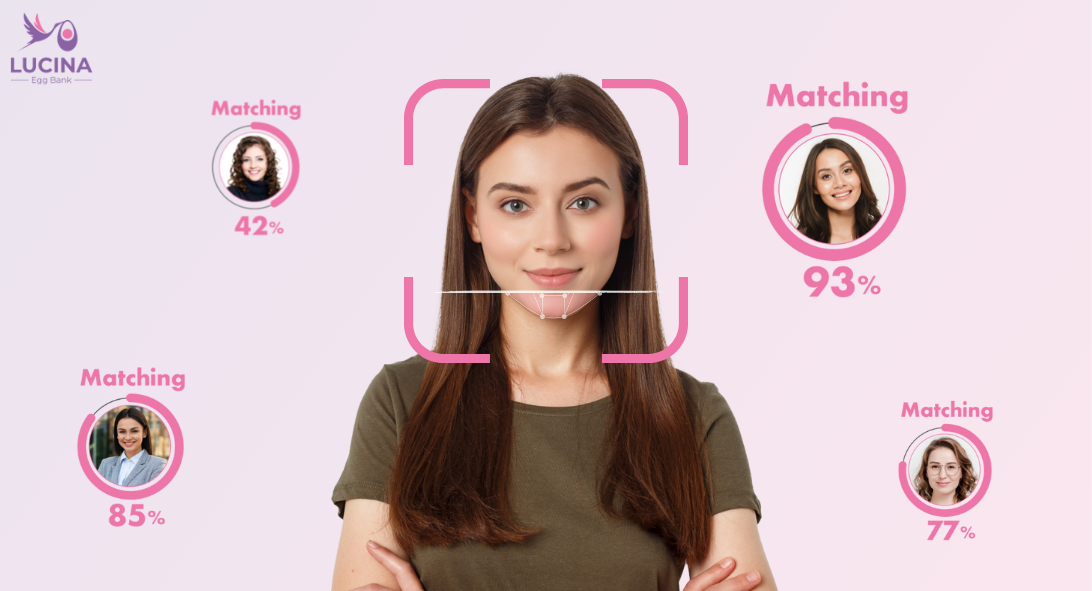
- Matching technology. We’re the only US egg bank using ReflEggction® AI — facial recognition matching that finds donors who share your features, cutting search time by up to 70%.
- Financial protection. Our Triple Guarantee Program covers intended parents from embryo development through live birth. It’s a financial safety net, not a pregnancy guarantee.
- Donor compensation. Standard donors earn $8,000–$15,000+ per cycle, with up to six cycles available. The Iconic Donor Program offers up to $50,000 per cycle for Ivy League and top 20 university graduates with a bachelor’s, master’s, or doctorate degree. All travel and medical costs are covered on top.
- $0 upfront to browse. Intended parents can access the full donor gallery at no cost before committing to anything.
The right donor egg bank is one that answers hard questions directly, stands behind its outcomes, and treats both intended parents and donors as people — not cases to process. Use this checklist, compare the answers, and trust what the data shows. Review our comparison of top US egg banks to see how programs stack up side by side.
Questions About Choosing an Egg Bank

Julianna Nikolic
Chief Strategy Officer Julianna Nikolic leads strategic initiatives, focusing on growth, innovation, and patient-centered solutions in the reproductive sciences sector. With 26+ years of management experience and a strong entrepreneurial background, she brings deep expertise to advancing reproductive healthcare.